
🎯 Core Theme & Purpose
This episode delves into the intricate process of manufacturing cricket balls in India, highlighting the traditional methods and the emergence of innovative, non-leather alternatives. It explores the economic and environmental implications of these shifts, particularly for the cottage industries that form the backbone of production. The content is of significant interest to cricket enthusiasts, manufacturers, sports business professionals, and those concerned with sustainable manufacturing practices.
📋 Detailed Content Breakdown
• The Art of Cricket Ball Manufacturing: The traditional cricket ball is a complex product involving four layers, starting with a cork core. This core is wrapped in tightly wound string and then encased by two leather hemispheres, meticulously stitched and pressed into shape. The entire process is labor-intensive, with one ball taking up to 90 minutes to craft, emphasizing precision and attention to detail to meet strict weight and performance standards.
• The Dominance of Leather and its Environmental Drawbacks: For centuries, leather has been the standard material for cricket balls due to its grip, durability, and impact on ball movement. However, the leather tanning process is environmentally hazardous, releasing toxic chemicals and posing health risks. This has led to increased regulatory scrutiny and a push for sustainable alternatives.
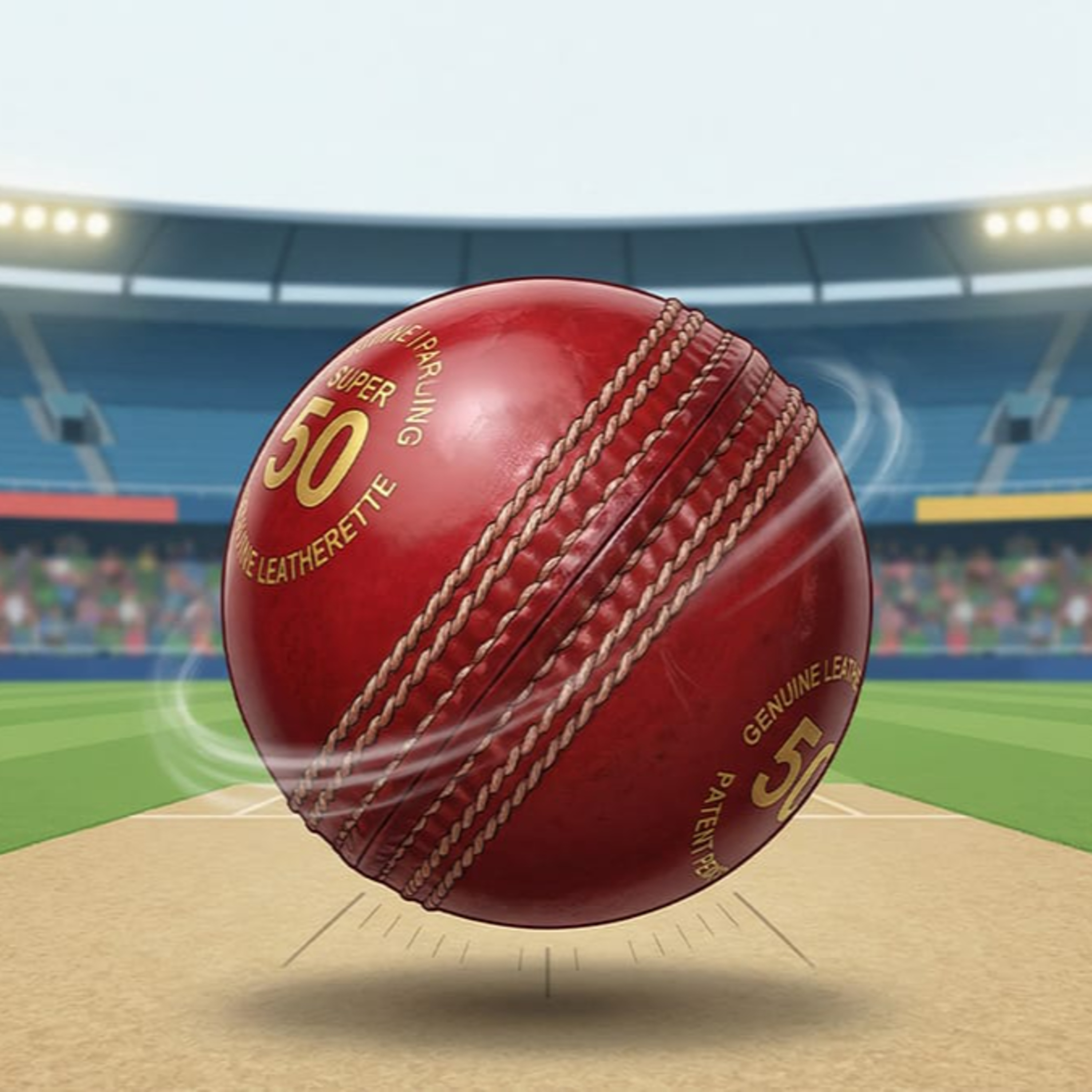
• The Rise of the “Super 50” - A Vegan Alternative: The “Super 50” is a groundbreaking, non-leather cricket ball developed by SG (Schoen and Glenn) and Peter India. It utilizes vegan leather and is designed to retain its shape and performance for at least 50 overs, meeting professional cricket standards. This innovation aims to reduce reliance on animal products and address environmental concerns.
• India’s Cricket Ball Manufacturing Landscape: India is the world’s largest producer and exporter of cricket balls, with production concentrated in Meerut. This industry is largely driven by small, home-based cottage industries employing thousands of people, often working on a piece-rate basis. This model has historically provided a competitive cost advantage.
• The Economic and Social Impact of Transitioning: The shift towards synthetic or vegan alternatives like the Super 50 could disrupt the established cottage industry model. While offering potential cost and performance benefits, it might reduce the demand for skilled hand-stitching, impacting the livelihoods of thousands of workers who depend on this craft.
• Challenges and Future of Synthetic Cricket Balls: While synthetic balls offer advantages like moisture resistance, their widespread adoption faces hurdles. The current cost is nearly double that of traditional leather balls, and a significant reduction in labor costs through mechanization will be necessary to compete. This transition could shift manufacturing towards machine-based processes, potentially impacting India’s long-standing advantage in manual craftsmanship.
💡 Key Insights & Memorable Moments
- Leather’s Environmental Toll: The detailed explanation of the toxic chemicals involved in leather tanning and their severe health consequences highlights a critical, often overlooked, environmental issue within sports manufacturing.
- “Super 50” as a Disruptor: The introduction of a vegan cricket ball that meets professional standards marks a significant technological and ethical advancement, challenging the status quo.
- India’s Unique Manufacturing Ecosystem: The description of cricket ball production being centered in thousands of small cottage industries, rather than large factories, reveals a deeply ingrained, labor-intensive model.
- The Cost Paradox: While the “Super 50” is more expensive, its durability and resistance to moisture might make it a more cost-effective option for academies in the long run, despite the higher initial outlay.
- Livelihood Concerns: The concern that increased mechanization could displace thousands of skilled artisans dependent on hand-stitching presents a significant socio-economic challenge associated with the move to synthetic alternatives.
🎯 Way Forward
- Invest in R&D for Performance Parity: Continue innovating in materials and manufacturing processes for non-leather balls to ensure they consistently match or exceed the performance benchmarks of traditional leather balls. This is crucial for broader acceptance in professional cricket.
- Develop Transition Programs for Artisans: Implement government and industry-backed initiatives to retrain and upskill artisans in new manufacturing techniques, potentially including quality control for machine-made products or specialized roles in the synthetic material supply chain. This ensures their livelihoods are not lost.
- Promote Sustainable Sourcing and Manufacturing Standards: Encourage and incentivize manufacturers to adopt environmentally friendly practices throughout the production lifecycle, from raw material sourcing to waste management, for both leather and synthetic balls. This addresses the core environmental concerns driving innovation.
- Educate Cricket Academies on Long-Term Cost-Benefit Analysis: Provide clear data and case studies demonstrating the long-term economic advantages of durable, weather-resistant synthetic balls, factoring in reduced replacement frequency and consistent performance, to encourage adoption.
- Foster Collaboration Between Traditional and Innovative Manufacturers: Create platforms for knowledge sharing and collaboration between established leather ball manufacturers and developers of new materials to leverage existing expertise while driving sustainable innovation. This can bridge the gap between tradition and the future.