
🎯 Core Theme & Purpose
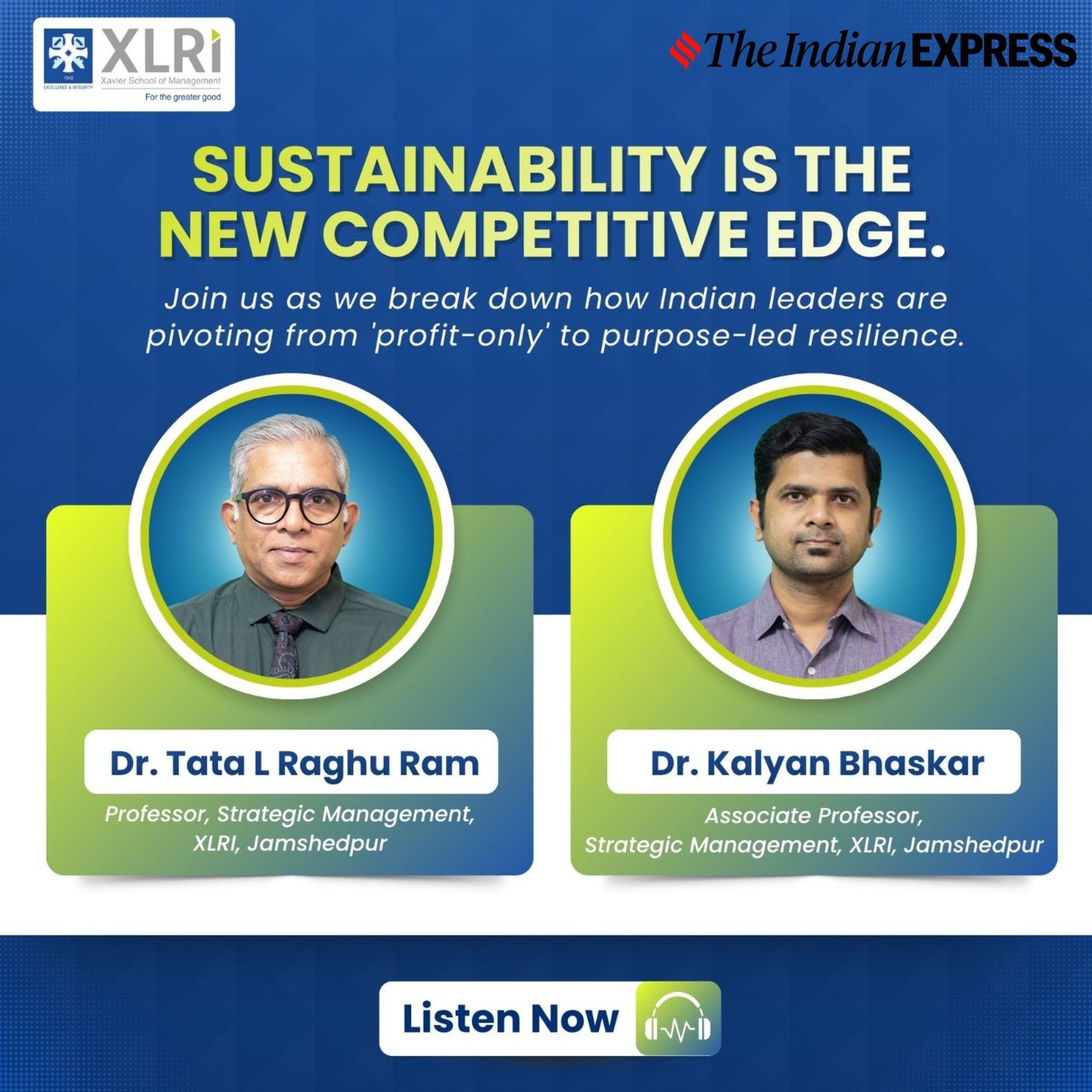
This episode delves into the critical intersection of economic development and sustainability in India, challenging the notion that they are mutually exclusive. It explores how India’s ambition for a developed future must be intrinsically linked to environmental and social well-being. Business leaders, policymakers, and individuals invested in India’s long-term growth and global impact would find this discussion particularly insightful.
📋 Detailed Content Breakdown
- Defining Sustainability: Drawing from the Brundtland Commission, sustainability is defined as meeting present needs without compromising the ability of future generations to meet their own. This encompasses facilitating mechanisms for every individual to reach their full potential through access to healthcare, education, economic opportunities, and a healthy environment.
- India’s Development Paradox: India is rapidly developing, but this progress is juxtaposed with environmental degradation, including polluted rivers, vanishing forests, rising temperatures, and struggling urban air quality. The cost of development is no longer hidden but visible in the air, water, and health of the nation.
- The “Triple Bottom Line” in Practice: Sustainability is reframed beyond environmental concerns to encompass people, planet, and profit. This requires businesses to be good to their shareholders, employees, communities, and the environment, ultimately benefiting their own long-term viability.
- The “Wicked Problems” of Sustainability: Key global challenges like climate change, biodiversity loss, and pollution are identified as interconnected “wicked problems.” Failure to address these could lead to existential threats for life on the planet, highlighting the urgency for integrated solutions.
- Challenging Conventional Development Models: The episode critiques the historical resource-intensive growth model prevalent since post-WWII. It argues that India, with its unique cultural ethos of harmony with nature, must forge a different path, where economic and social progress are subservient to environmental stewardship.
- The Economic Value of Nature: A significant insight is the valuation of ecosystem services and carbon sequestration potential provided by forests. These natural assets, though not always directly contributing to GDP, have immense ecological and economic value that underpins human and economic well-being.
💡 Key Insights & Memorable Moments
- The idea that “the cost of development is no longer hidden” emphasizes the tangible, immediate consequences of unsustainable practices on the environment and public health.
- Dr. Raghuram’s nuanced definition of sustainability: “making individuals achieve their full potential” by ensuring access to essential services and a healthy environment, moves beyond mere environmental preservation.
- The analogy of the “whales” in the podcast context is not directly present, but the conversation highlights the interdependence of economic prosperity and environmental health, likening the latter to a foundational “well-being” that supports the former.
- The statistic from the World Economic Forum suggesting that over 55% of global GDP is highly or moderately dependent on natural ecosystems underscores the immense economic risk of environmental degradation.
- The notion that “sustainability is the mother of innovation” suggests that tackling environmental challenges can drive new technologies, business models, and solutions, fostering economic growth in a responsible manner.
🎯 Way Forward
- Integrate Sustainability into Core Business Strategy: Businesses must move beyond superficial CSR to embed sustainability into their profit-making and operational models, as demonstrated by companies like Patagonia and Philips. This involves recognizing and valuing the “externalities” they impose on society and the environment.
- Strengthen Regulatory and Enforcement Mechanisms: Governments must empower independent institutions with absolute autonomy to implement and enforce environmental regulations, ensuring accountability and preventing projects with detrimental ecological impacts from proceeding solely on grounds of strategic importance.
- Prioritize Data-Driven Policy Making: Future policies should be driven by robust scientific data, stakeholder consultations, and clear feedback loops to accurately assess environmental impacts and ensure that development projects genuinely contribute to sustainable outcomes rather than merely shifting degradation elsewhere.
- Foster a Culture of Sustainability from Education: Educational institutions, starting from primary levels, should integrate sustainability principles to cultivate an understanding and appreciation for environmental and social well-being, shaping future leaders who prioritize these aspects inherently.
- Shift from Profit-Centric to Purpose-Driven Growth: Businesses need to re-evaluate their core purpose beyond profit maximization, recognizing that long-term value creation is intrinsically linked to contributing positively to society and the environment, thereby fostering a truly “viable” India.