
🎯 Core Theme & Purpose
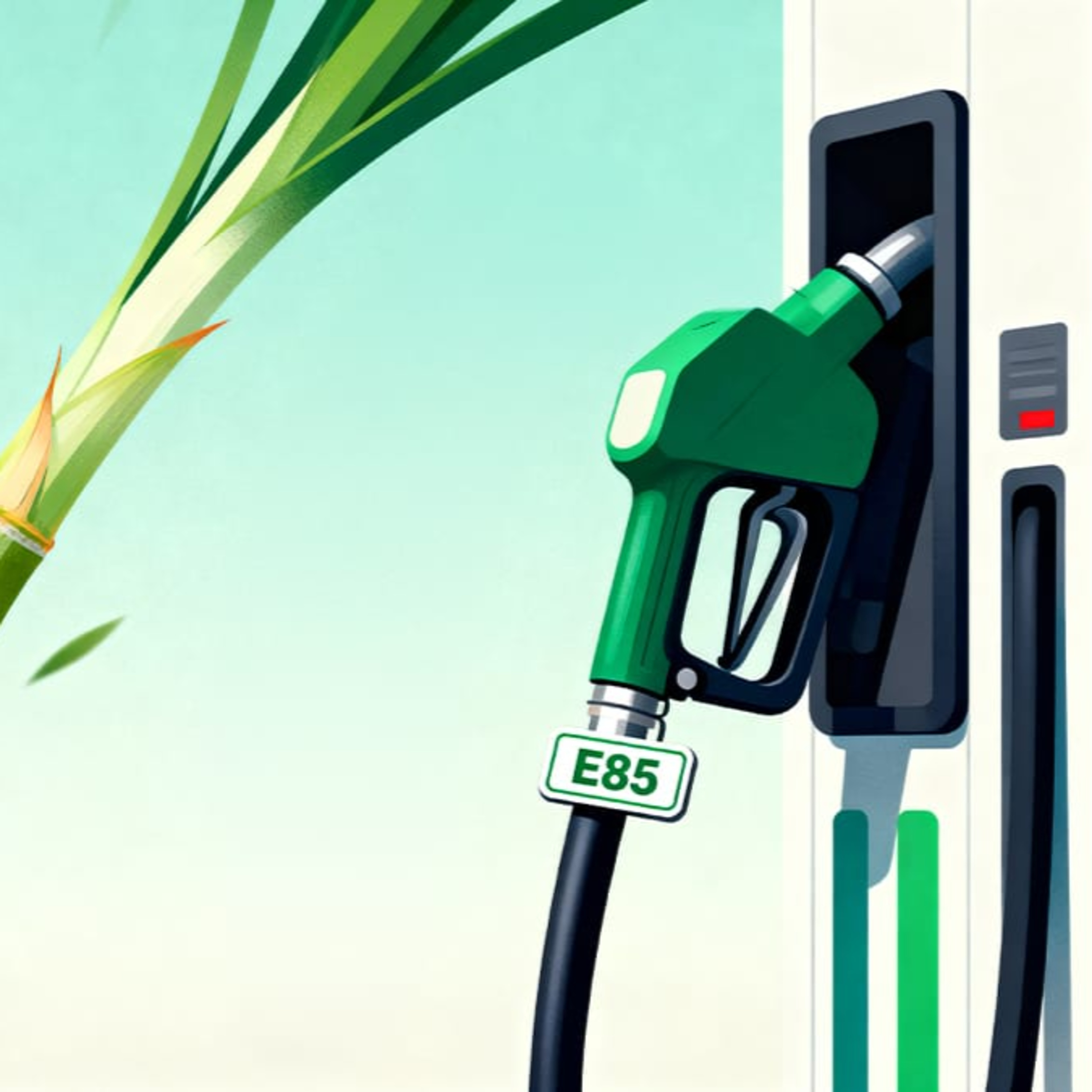
This episode dissects India’s accelerated adoption of E20 fuel, an 85% ethanol-blended gasoline, and its implications. It explores the historical context, the economic drivers, and the potential challenges and benefits of this significant shift in the nation’s energy landscape. This analysis is crucial for policymakers, automotive industry stakeholders, and environmentally conscious consumers interested in India’s energy transition and its impact on fuel availability and cost.
📋 Detailed Content Breakdown
• Rapid E20 Fuel Rollout: India has unexpectedly deployed E20 fuel, a blend of 85% ethanol and 15% gasoline, across numerous stations nationwide. This initiative significantly surpasses the originally planned timeline, indicating a proactive government push towards cleaner energy solutions. • Historical Context of Ethanol Blending: Ethanol blending in India began with a pilot in 2001 for a 5% blend (E5), but faced slow progress due to economic unviability for sugar mills and limited incentives. Government reforms in 2014, including fixed prices for ethanol and expanded feedstock options beyond molasses, spurred growth. • E20 Target Achievement & Benefits: India achieved its E20 target of 20% ethanol blending by 2025 ahead of schedule, in 2022. This move has resulted in substantial foreign exchange savings (around ₹1 lakh crore) and a reduction in CO2 emissions (54.4 million metric tons) due to cleaner burning. • Supply Glut and Demand Challenges: Despite a massive increase in ethanol production capacity (reaching nearly 2000 crore liters), demand, particularly for fuel, has not kept pace. The total ethanol requirement, including industrial uses, is around 1350 crore liters, leaving a significant surplus. • Fleet Strategy for E85 Adoption: The immediate rollout focuses on flex-fuel vehicles and commercial fleets like taxis and ride-sharing services (Ola, Uber). This strategy leverages their higher mileage accumulation to absorb the surplus ethanol and gather real-world performance data before wider consumer adoption. • Environmental and Economic Trade-offs: While E20 offers reduced crude oil imports and lower emissions, it raises concerns about increased water usage for feedstock crops like rice and sugarcane. The economic benefits of cheaper upfront fuel costs for E20 are partially offset by potential lower energy density, requiring more fuel consumption.
💡 Key Insights & Memorable Moments
• “The government has been aggressively pushing a clean energy transition.” This highlights the driving force behind India’s rapid shift to higher ethanol blends. • The significant surplus in ethanol production capacity (estimated at ~2000 crore liters) compared to the current demand (around 1350 crore liters) presents a major challenge for the industry. • The strategy of initially deploying E20 fuel in fleet vehicles rather than directly to private consumers is a pragmatic approach to managing risks and gathering data, mirroring past transitions with electric vehicles. • “More ethanol also means more feedstock…” This points to the overlooked environmental impact of water-intensive crops required for ethanol production, creating a complex trade-off.
🎯 Way Forward
- Accelerate Flex-Fuel Vehicle Manufacturing and Sales: Encourage automotive manufacturers to rapidly expand production and sales of flex-fuel vehicles capable of running on higher ethanol blends to meet the burgeoning supply. This matters for utilizing the ethanol surplus and driving the transition.
- Invest in Advanced Ethanol Production Technologies: Explore and invest in research and development for second-generation ethanol production from agricultural waste and non-food biomass to reduce reliance on water-intensive food crops. This matters for sustainability and mitigating environmental impact.
- Develop Robust E20 Infrastructure and Consumer Awareness: Expand the E20 fuel station network beyond the initial 48 outlets and launch comprehensive public awareness campaigns to educate consumers about the benefits, usage, and maintenance of E20-compatible vehicles. This matters for consumer confidence and widespread adoption.
- Formulate Long-Term Ethanol Demand Strategy: Create a clear roadmap for increasing long-term ethanol demand across various sectors, including industrial applications and potentially as a blending component for other fuels, to ensure stable market for producers. This matters for the economic viability of the ethanol industry.
- Monitor and Mitigate Environmental Impacts: Continuously monitor the environmental footprint, particularly water usage and land allocation for feedstock cultivation, and implement policies to mitigate any adverse effects. This matters for balancing energy goals with ecological preservation.