
🎯 Core Theme & Purpose
This episode of French Shorts Daily delves into the complex reasons behind the decline of cocoa farming in Ghana and Ivory Coast, despite rising global chocolate prices. It aims to provide listeners with a deeper understanding of the economic vulnerabilities faced by cocoa farmers and the systemic issues within the global cocoa industry. This analysis is particularly beneficial for anyone interested in global commodity markets, agricultural economics, ethical consumerism, and the socio-economic landscape of West Africa.
📋 Detailed Content Breakdown
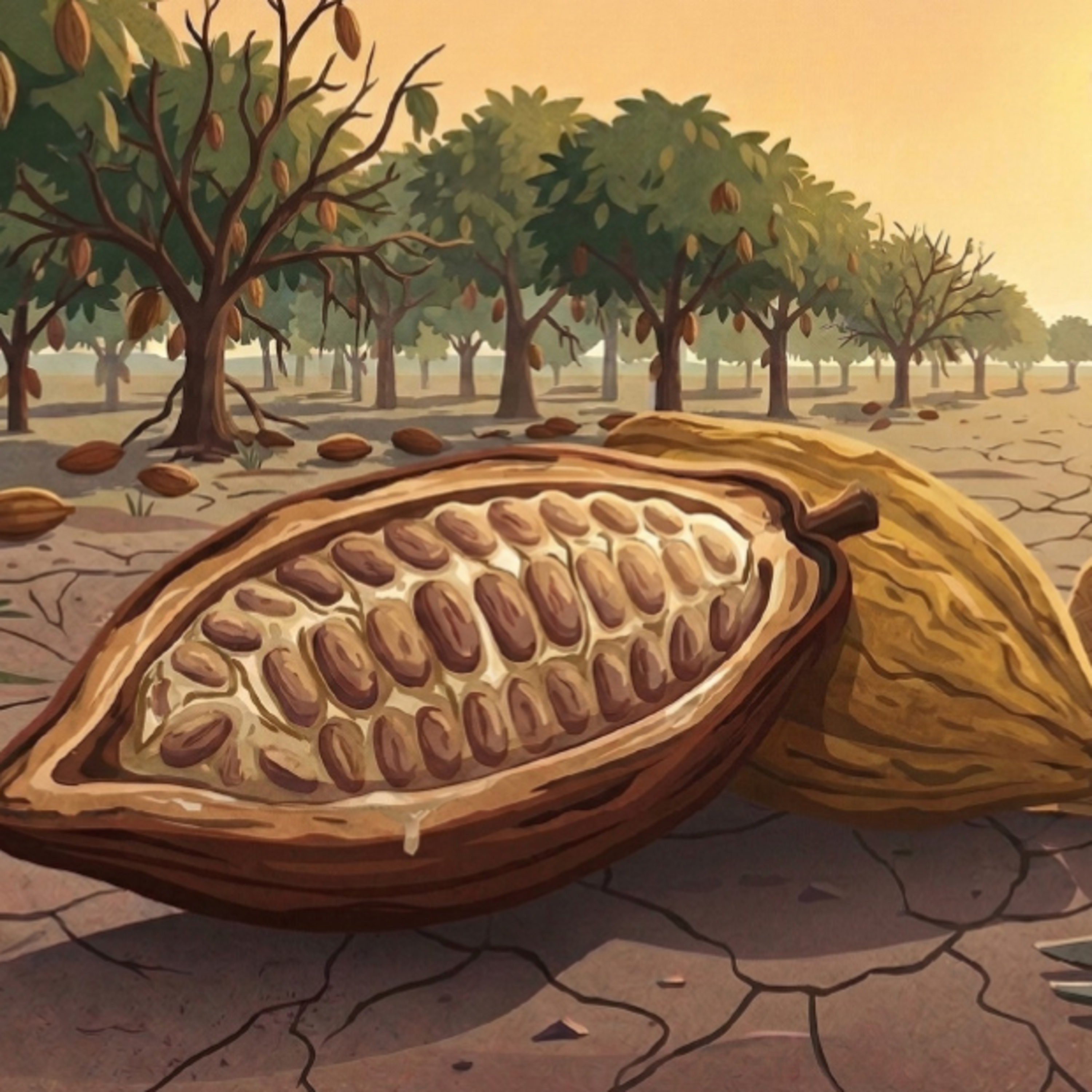
• The Paradox of Declining Cocoa Farming Amidst Rising Prices: The episode highlights the counterintuitive situation where cocoa farmers in Ghana and Ivory Coast are abandoning their farms, even as global cocoa prices surge. This paradox is explained by the complex market dynamics and the disconnect between global market prices and farmer compensation.
• The Impact of the 2024 Cocoa Price Spike on Farmers: While global cocoa prices saw a significant increase, reaching $10,000 per ton in 2024, farmers did not fully benefit from this boom. Their prices are fixed ahead of the harvest season, meaning they only saw gradual, small increases, far below the global surge.
• Ghana and Ivory Coast’s Dominance and Farmer Vulnerability: Together, Ghana and Ivory Coast produce roughly two-thirds of the world’s cocoa. Despite this crucial role, farmers in these regions face failing incomes and unsold beans due to factors like aging trees, crop diseases, climate stress, and the limited share of value they receive from the global chocolate industry.
• The Role of the Ghana Cocoa Board (COCOBOD): Unlike many commodities, cocoa is sold through national bodies like COCOBOD. This system is designed to protect farmers from extreme price swings but also prevents them from immediately benefiting from global price hikes and insulates them from extreme downturns, creating a lag effect.
• The Shift to Illegal Activities for Livelihood: With the economic unsustainability of cocoa farming, many farmers are turning to alternative, often illegal, activities. This includes leasing land for sand mining and small-scale gold mining (known locally as ‘Galamsey’), offering quick cash but causing significant environmental damage.
• Government Interventions and Their Limitations: Authorities in Ghana have attempted to stabilize the sector through payments to licensed buying companies to clear dues and support growers. However, these measures are viewed as short-term relief, and a recent slash in farmgate prices indicates farmers may still have to accept lower earnings on already thin margins.
💡 Key Insights & Memorable Moments
• Counterintuitive Revelation: Despite a significant global surge in cocoa prices in 2024, the farmers growing the cocoa are struggling more than ever. The fixed pricing mechanism through national boards means they don’t directly benefit from market spikes.
• Systemic Disconnect: The analysis reveals a stark disconnect between the value generated by the global chocolate industry and the compensation received by the primary producers, the cocoa farmers. They receive only a “tiny fraction of the value created.”
• Environmental Degradation as a Coping Mechanism: The shift towards illegal sand and gold mining on former cocoa farms highlights a desperate measure by farmers seeking quick income, leading to severe environmental consequences like soil damage and water contamination.
• Data Point: The International Cocoa Organization (ICCO) estimated that the global cocoa market could swing into a surplus of about 49,000 tons this very season, indicating an oversupply that further depresses prices for farmers.
🎯 Way Forward
- Diversify Farmer Income Streams: Explore and support alternative, sustainable agricultural or non-agricultural income-generating activities for cocoa farmers to reduce reliance on a single, volatile commodity. This matters because it provides immediate economic relief and builds resilience against market fluctuations.
- Strengthen Value Chain Transparency and Fairness: Advocate for greater transparency in the global chocolate supply chain, pushing for mechanisms that ensure farmers receive a fairer share of the final product’s value, perhaps through direct sourcing models or ethical certification premiums. This is crucial for long-term sustainability and farmer well-being.
- Invest in Sustainable Cocoa Farming Practices: Implement programs that support farmers in rejuvenating aging trees, adopting climate-resilient farming techniques, and managing crop diseases effectively. This matters for ensuring the future supply of cocoa and improving yields on existing land.
- Promote Responsible Consumption and Ethical Sourcing: Educate consumers about the realities of cocoa production and encourage support for brands committed to ethical sourcing and fair farmer compensation. This can drive market demand for sustainably produced cocoa and incentivize better practices.
- Address Illegal Mining and Environmental Remediation: Governments and international bodies must work collaboratively to curb illegal mining activities, prosecute offenders, and implement robust environmental remediation programs for damaged farmlands. This is essential for preserving agricultural land for future use and protecting vital ecosystems.