
🎯 Core Theme & Purpose
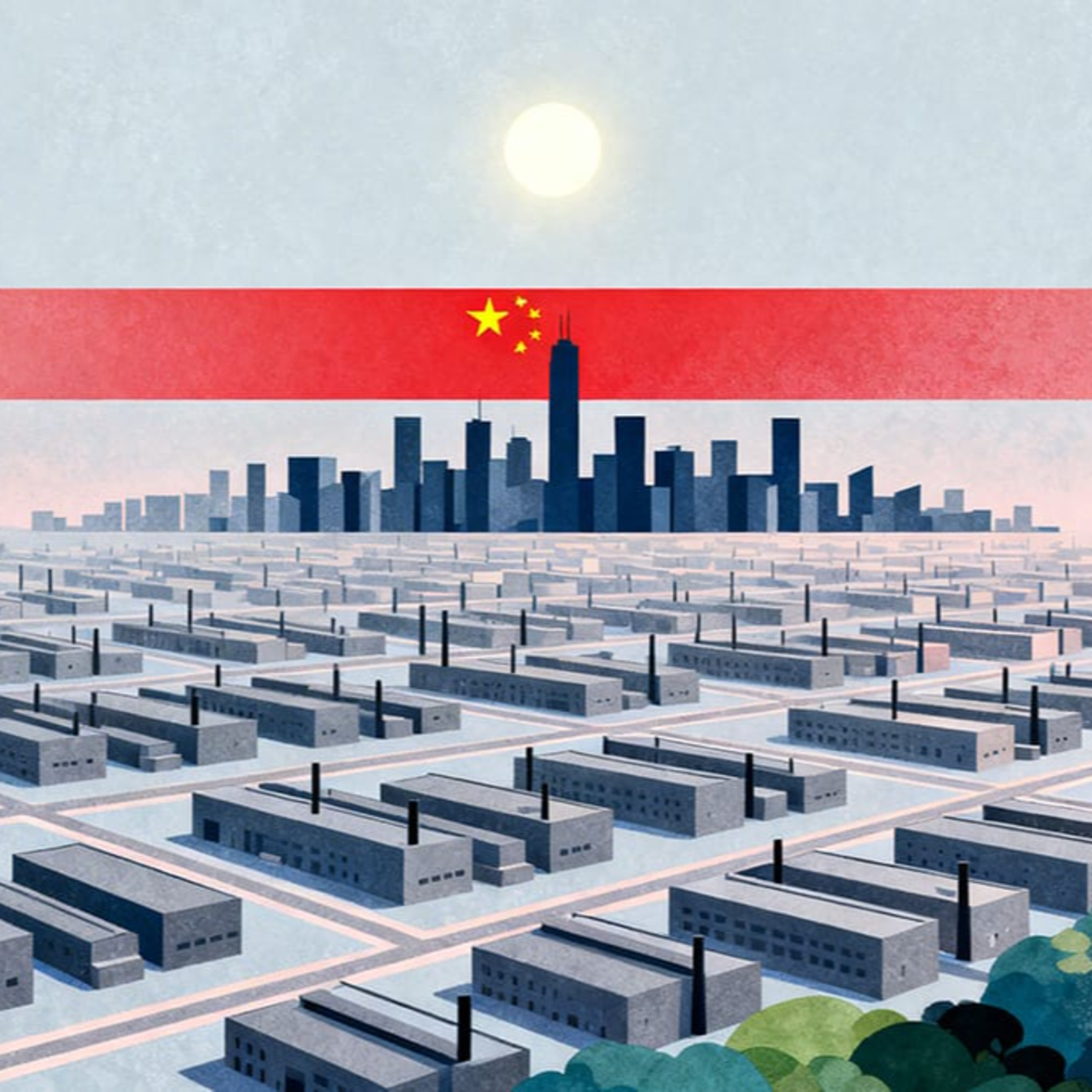
This episode delves into the unique manufacturing prowess of China, exploring why its industrial ecosystem is so difficult to replicate. It challenges the common perception of China as solely a low-cost manufacturing hub, highlighting its evolution into a sophisticated and highly integrated production powerhouse. Business leaders, supply chain professionals, and anyone interested in global manufacturing and economic strategy would benefit from understanding this complex phenomenon.
Cleveland Content Breakdown
• The Shift from Agriculture to Manufacturing: Initially an agrarian economy, China underwent a significant transformation starting in 1978 under Deng Xiaoping. This involved opening up to other markets, establishing Special Economic Zones (SEZs), attracting foreign capital, and replacing farms with factories, fundamentally altering its economic landscape.
• The Factory of the World and WTO Entry: China’s entry into the World Trade Organization in 2001 solidified its position as the “factory of the world.” This integration into global supply chains led to cheaper goods for consumers worldwide and unprecedented scale for Chinese manufacturing.
• Beyond Cheap Labor: The Rise of Agglomeration: The episode debunks the myth that China’s manufacturing advantage is solely due to cheap labor. It introduces the concept of “agglomeration,” where companies clustering geographically leads to increased productivity, specialized suppliers, knowledge diffusion, and efficient labor circulation.
• Shenzhen: A Microcosm of Industrial Ecosystems: Shenzhen, once a small fishing village, exemplifies China’s manufacturing evolution. Its transformation into a global hub for electronics and technology showcases how entire cities can specialize in specific product lines and component ecosystems, fostering rapid innovation and efficiency.
• The Power of Dense Supplier Networks: The core of China’s replicability challenge lies in its incredibly dense supplier networks, often clustered within a few kilometers. This proximity allows for rapid prototyping, quick component sourcing, and swift responses to market demands, making it difficult for geographically dispersed competitors to match.
• Manufacturing as Economic Infrastructure: The dense industrial clusters in China have evolved beyond mere collections of factories into a form of economic infrastructure. This system makes speed the norm, friction rare, and allows for strategic tilting of the playing field, making it challenging for other nations to build comparable, self-reinforcing ecosystems.
💡 Key Insights & Memorable Moments
• The common belief that China’s manufacturing advantage is solely “cheap labor” is a significant oversimplification; the real advantage lies in the sophisticated ecosystem built over decades. • “When one stand is removed, the system adjusts, but try building that web from scratch and you only discover the missing strands when something breaks.” This analogy effectively illustrates the fragility and complexity of recreating such integrated supply chains. • Shenzhen’s evolution from a town of 30,000 to a metropolis of 17 million, generating a GDP larger than many countries, highlights the transformative power of industrial agglomeration. • The idea that “manufacturing isn’t just about output, but about building ecosystems that endure” emphasizes a long-term strategic perspective crucial for economic competitiveness.
🎯 Way Forward
- Invest in Regional Industrial Clusters: Governments should focus on fostering dense, specialized industrial clusters rather than scattered industrial parks, aiming to recreate the “agglomeration effect” for greater efficiency and innovation. This matters because it leverages existing infrastructure and supplier networks for faster growth.
- Develop Robust Supplier Networks: Initiatives should prioritize the cultivation of extensive and interconnected supplier bases within specific regions, encouraging specialization and reducing lead times. This matters for enabling rapid prototyping and responsive production cycles.
- Foster Knowledge Diffusion and Talent Circulation: Policies should encourage the free flow of talent and knowledge between companies within these clusters to accelerate learning and innovation. This matters for embedding tacit knowledge and expertise that is hard to codify.
- Prioritize Long-Term Manufacturing Strategy: Recognize that building a competitive manufacturing ecosystem is a decades-long endeavor requiring consistent investment and policy support, not a short-term fix. This matters for establishing sustainable economic resilience and global competitiveness.
- Support Niche Specialization: Encourage towns and regions to specialize in specific product categories or component manufacturing to build deep expertise and become indispensable parts of global supply chains. This matters for creating unique competitive advantages that are difficult for diversified economies to replicate.