
🎯 Core Theme & Purpose
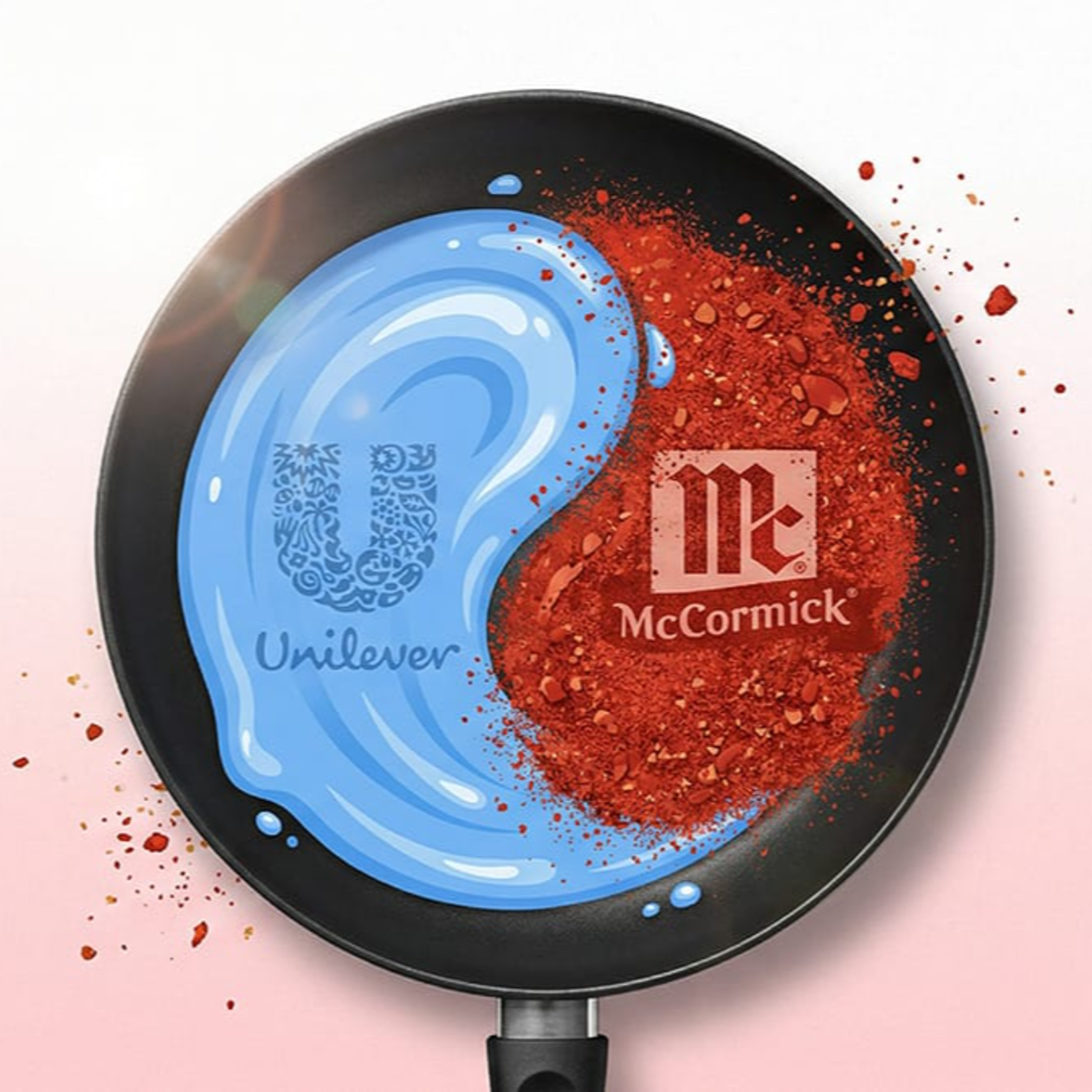
This episode dissects **Unilever’s strategic divestment and merger of its food business with American Spices Inc., a move driven by evolving consumer preferences towards cleaner and more transparent products. The analysis highlights how this pivot allows Unilever to focus on its higher-margin Health, Beauty, and Personal Care (HBPC) segments. This content is invaluable for investors, industry analysts, and business strategists keen on understanding large-scale corporate restructuring in the FMCG sector.
📋 Detailed Content Breakdown
• Unilever’s Food Business Divestment: Unilever is spinning off its food division and merging it with American Spices Inc. in a deal valued at approximately $56 billion. This move signifies a strategic shift away from the food sector, which has historically been a cornerstone of the company.
• The Evolving Consumer Landscape: The traditional playbook for packaged food companies, relying on scale, distribution, and brand trust, is faltering. Consumers are now scrutinizing ingredients, demanding transparency, and becoming more price-sensitive, especially for interchangeable products.
• HBPC’s Growth Trajectory: Unilever’s Health, Beauty, and Personal Care (HBPC) division is thriving due to its alignment with consumer demand for cleaner, more transparent products. This segment is experiencing faster innovation cycles and significantly higher profit margins, reaching up to 48% in some cases.
• Food Business Challenges: The food division, while generating substantial revenue ($12.9 billion in 2025), lags in both growth and profitability. Reforming products is slow, consumer expectations are rigid, and competition from smaller, agile D2C brands is increasing.
• The McCarrick Deal Structure: Unilever is receiving cash upfront and retaining a majority stake (65%) in the combined entity. This positions Unilever to benefit from the food business’s performance without the operational burden, while also returning capital to shareholders through buybacks.
• Financial Implications of the Deal: The deal values Unilever’s food business at 3.6 times its sales and 13.8 times its profits, indicating a strategic repositioning rather than a distressed sale. Unilever expects approximately $400-500 million in separation costs, with a significant portion of the cash ($6.9 billion) allocated for share buybacks.
💡 Key Insights & Memorable Moments
• The core insight is that Unilever’s move is not an exit from food but a redefinition of its relationship with the sector, shifting from operational control to ownership and strategic financial participation. • The shift in consumer behavior, prioritizing cleaner ingredients and transparency across all product categories (food, skincare, wellness), is the primary catalyst for this strategic realignment. • The comparison between the challenges of reformulating food products versus improving face cream ingredients highlights the inherent complexities and differing market dynamics of the two sectors. • The deal’s valuation metrics reveal that the food business is “repositioned” rather than “dumped,” with Unilever strategically leveraging its value while shedding operational complexities. • Unilever’s strategy is to focus on higher-growth regions and higher-margin categories within its portfolio, aiming for at least 2% volume growth and significant dividend payouts.
🎯 Way Forward
- Accelerate Innovation in HBPC: Unilever should continue to invest heavily in R&D for its HBPC segments, focusing on emerging trends like sustainable sourcing and personalized wellness products to maintain market leadership.
- Strategic Financial Management of Food Business: Leverage the 65% stake in the merged entity to ensure profitable growth and operational efficiency, while continuing share buybacks and strategic acquisitions in its core sectors.
- Explore Synergies in Distribution: Despite the separation, investigate opportunities for leveraging shared distribution networks where feasible, particularly in emerging markets, to optimize logistics and reduce costs for both entities.
- Transparency as a Core Differentiator: Unilever must continue to champion ingredient transparency and ethical sourcing across all its brands, especially in HBPC, to solidify consumer trust and loyalty in an increasingly discerning market.
- Future Portfolio Optimization: Continuously evaluate the portfolio for opportunities to divest underperforming or operationally burdensome assets while reinvesting in high-growth, high-margin sectors that align with long-term consumer trends.