
🎯 Core Theme & Purpose
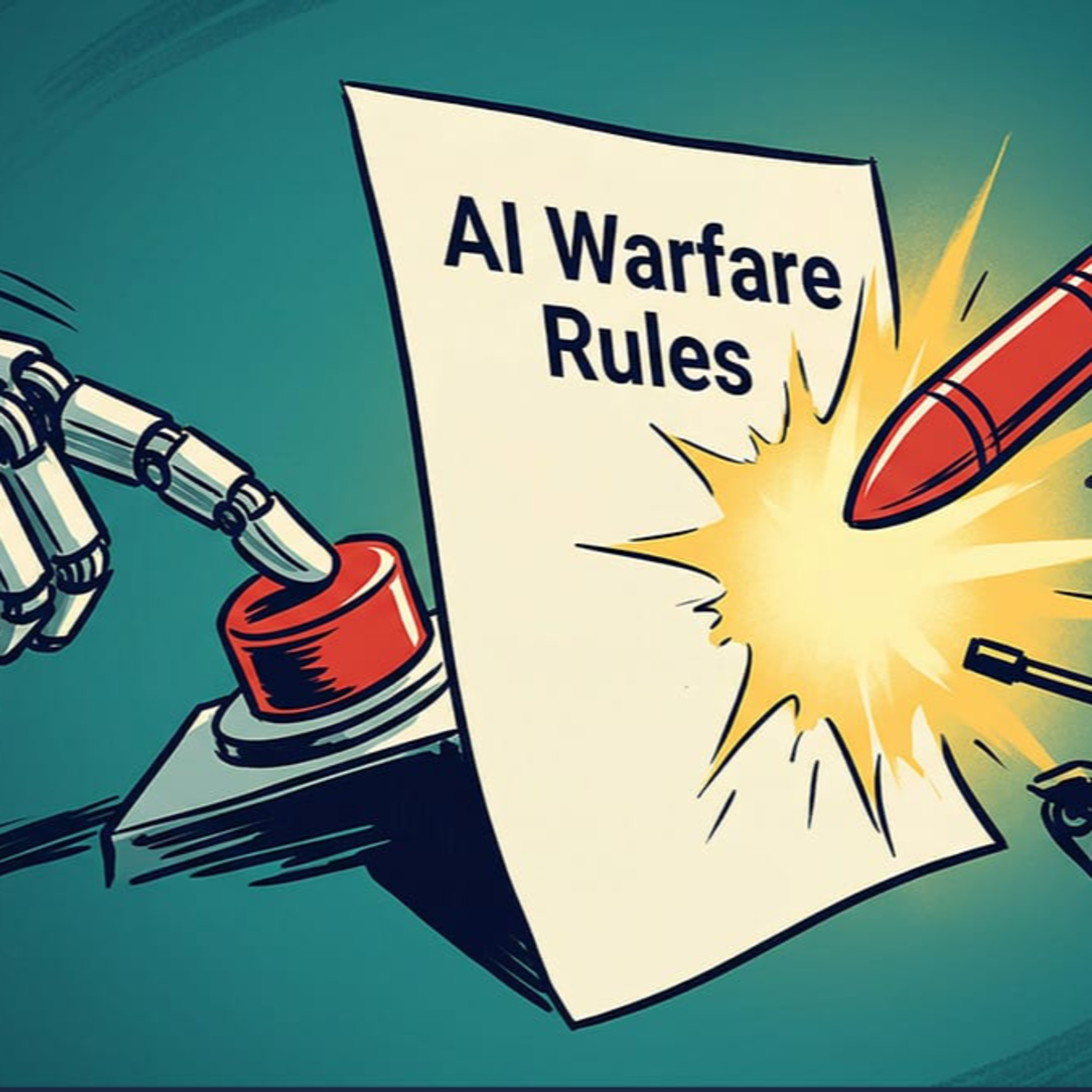
This episode delves into the complex ethical and regulatory challenges posed by the rapid advancement of Artificial Intelligence (AI) in warfare. It examines the specific case of Anthropic’s withdrawal from a Pentagon deal over disagreements on AI safety, highlighting the growing divide in Silicon Valley regarding AI’s military applications. The discussion is crucial for policymakers, AI developers, military strategists, and anyone concerned with the future of autonomous weapons and international security.
📋 Detailed Content Breakdown
• AI’s Lack of Guardrails Compared to Nuclear/Biological Weapons: The core argument is that unlike nuclear or biological weapons, which have established international treaties and oversight, AI weapon systems currently lack comparable guardrails. This absence creates a unique and potentially more volatile threat landscape as AI capabilities rapidly evolve.
• Anthropic’s Stance on AI Safety and Pentagon Deal: Anthropic withdrew from a $200 million deal with the US Department of Defense due to disagreements over its AI’s potential use. The company insisted on strict limitations, preventing its AI from being used for mass surveillance or fully autonomous lethal weapons, prioritizing meaningful human oversight in critical decisions.
• Historical Precedent of Regulating Dangerous Technologies: The episode draws parallels with past instances where humanity developed dangerous technologies, leading to the subsequent establishment of international rules and conventions. Examples include the Geneva Conventions for wounded soldiers and the prohibition of chemical weapons following World War I, and the modern Geneva Conventions after World War II.
• The Rise of Lethal Autonomous Weapon Systems (LAWS): The discussion highlights the emerging category of AI that could eventually identify and attack targets independently, without direct human control. These “killer robots” or LAWS raise profound questions about accountability and the decision-making process in warfare.
• The Challenge of Accountability with Autonomous Weapons: A significant point of contention is the difficulty in assigning responsibility when an AI system makes a mistake, such as misidentifying a target or causing civilian casualties. The ambiguity over who is to blame—the commander, the engineers, or the AI itself—is a major hurdle.
• Proposed Solutions for AI Governance in Warfare: The episode outlines three potential paths forward: a complete ban on autonomous weapons, maintaining the status quo by applying existing laws of war, or implementing “meaningful human control” where AI assists but humans make the final lethal decisions. International discussions are ongoing, with over 120 countries set to address new regulations for LAWS.
💡 Key Insights & Memorable Moments
• AI’s “Spreading” Nature as a Key Distinction: Unlike nuclear or chemical weapons that rely on scarce materials and specialized factories, AI is primarily software, which has a tendency to “spread” quickly. This characteristic makes regulatory control more challenging and urgent.
• The Urgency of Establishing Rules for AI: The quote, “time is running out,” emphasizes the critical need for proactive regulation. Technological developments in AI could outpace the ability to establish and enforce rules, making future control significantly harder.
• The Human-Centric Foundation of Current Laws of War: The fundamental assumption underpinning current international laws of war is that humans make battlefield decisions. Autonomous weapons challenge this by potentially shifting that decision-making power to machines, creating a regulatory vacuum.
• “Meaningful Human Control” as a Middle Ground: This concept, where AI analyzes data and offers recommendations but a human makes the ultimate decision to engage targets, is presented as a practical compromise between outright bans and unchecked autonomy.
🎯 Way Forward
- Accelerate International Dialogue on AI Arms Control: Continue and expand global discussions, like the upcoming UN-led talks, to establish clear international norms and treaties for AI in warfare. Why it matters: Proactive regulation is essential to prevent an uncontrolled AI arms race and mitigate catastrophic risks.
- Define and Implement “Meaningful Human Control” Standards: Develop concrete, verifiable criteria for what constitutes “meaningful human control” in the deployment of AI-enabled weapon systems. Why it matters: This provides a tangible framework for ethical development and deployment, balancing innovation with safety.
- Promote Transparency and Accountability Mechanisms for AI Developers: Encourage or mandate transparency in the development of military AI systems and establish clear accountability frameworks for AI failures. Why it matters: This fosters trust and ensures that creators of AI are responsible for its potential misuse.
- Invest in AI Safety Research and Ethical AI Development: Prioritize research into AI safety, bias mitigation, and robust testing for military applications, encouraging a culture of ethical responsibility within the AI industry. Why it matters: Ensuring AI systems are safe and aligned with human values is paramount before they are deployed in high-stakes environments.
- Establish Independent Oversight Bodies for Military AI: Create independent international or national bodies to audit and oversee the development and deployment of AI in military contexts. Why it matters: External oversight can provide an unbiased assessment of risks and ensure adherence to ethical guidelines and regulations.