
🎯 Core Theme & Purpose
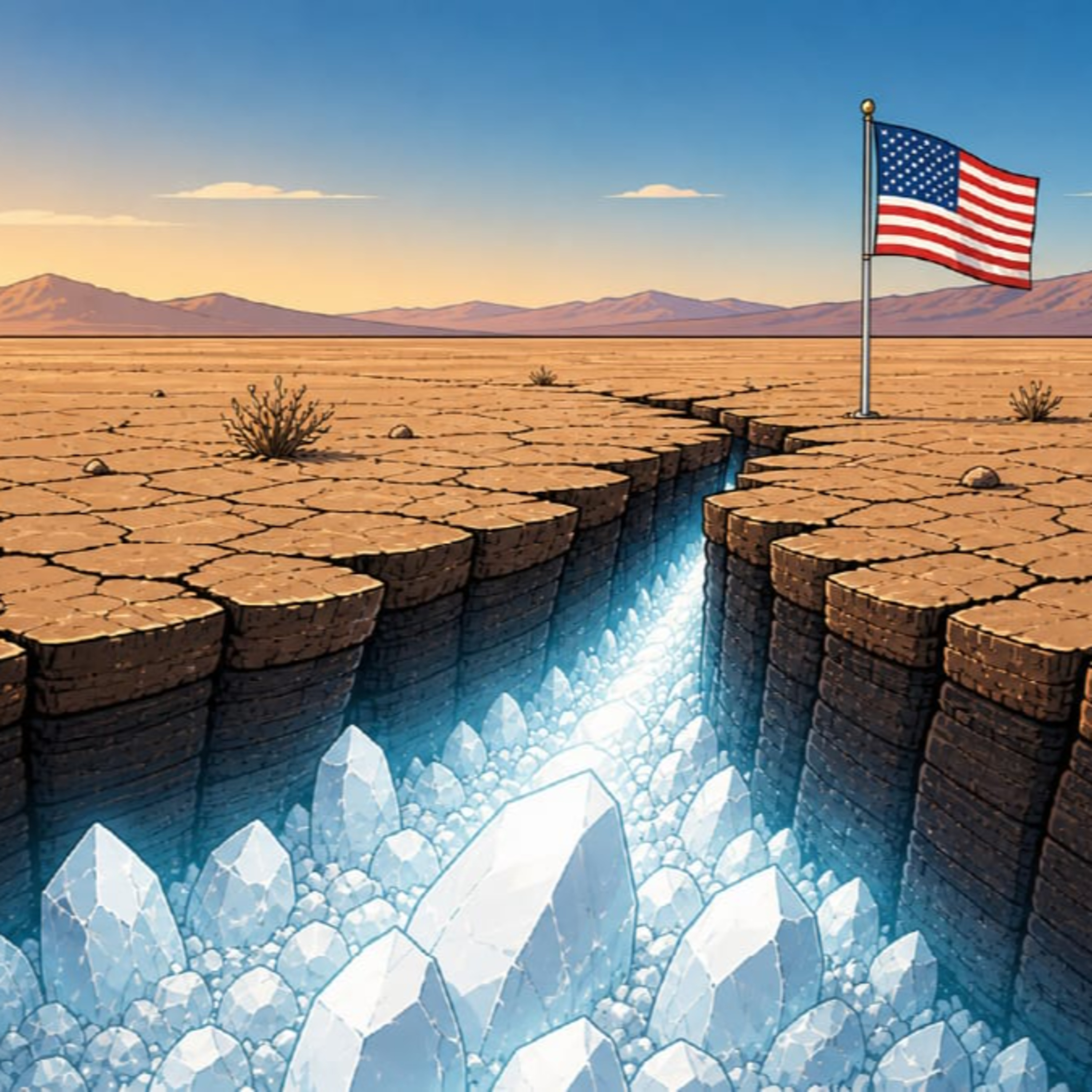
This episode delves into why recent lithium discoveries, though significant, are not immediately revolutionizing the global supply chain for the United States. It highlights the complex realities of extraction, processing, and geopolitical dependencies that hinder rapid shifts in market dynamics. The content is particularly valuable for policymakers, industry stakeholders, and investors interested in the future of EV battery materials and energy independence.
📋 Detailed Content Breakdown
• Lithium Discoveries vs. Market Impact: While the U.S. Geological Survey has identified substantial lithium deposits (2.3 million tons) in the Appalachian region, these discoveries do not instantly translate into significant changes for the U.S. economy. The focus shifts from the presence of lithium to the practicalities of its integration into the global supply chain.
• Extraction Challenges and Diversified Sources: Lithium extraction is not uniform. While brine lakes offer easier access in some regions, many countries, including those with recent discoveries, rely on hard rock deposits (spodumene) or clay-based sources. These require intensive, energy-consuming processing, making extraction a multi-stage, technically demanding endeavor.
• The Bottleneck of Processing and Refining: Even after mining, raw lithium must be converted into battery-grade chemicals like lithium carbonate or hydroxide. This complex, expensive, and purity-sensitive processing is dominated by a few countries, primarily China, which refines 60-70% of the world’s lithium. This creates a critical dependency that new discoveries cannot easily bypass.
• China’s Dominant Role in the Value Chain: China’s advantage stems from decades of strategic investment across the entire lithium value chain, from refining to electrode manufacturing and battery production. This integrated infrastructure, built over time, makes it difficult for other nations to replicate quickly, even with new raw material finds.
• The Emerging Role of Recycling: While not an immediate fix, battery recycling presents a future avenue for lithium supply. Modern hydrometallurgical recycling can recover up to 95% of lithium from spent EV batteries. By the mid-2030s, recycling could significantly reduce the demand for primary lithium, with substantial volumes expected to emerge as early EV models reach end-of-life.
• Strategic Alternatives to Direct Mining: Instead of solely focusing on new mining, countries are exploring dual strategies. This involves fostering international cooperation for refining and manufacturing in the near term while simultaneously building domestic recycling capacity for long-term self-sufficiency. This hybrid approach acknowledges the existing global infrastructure and the time needed to develop new capabilities.
💡 Key Insights & Memorable Moments
• The Illusion of Independence: New lithium discoveries create an “illusion of independence” long before actual energy independence is achieved, highlighting the critical distinction between resource availability and usable supply chain capacity. • Processing is the Real Bottleneck: The primary barrier to lithium-market shifts is not the lack of raw materials but the limited global capacity for refining lithium into battery-grade chemicals, a sector heavily dominated by China. • Recycling’s Gradual Impact: While recycling is a promising future source, its impact on primary lithium demand will be gradual, with significant volumes only expected from the latter half of the 2030s onwards, as the first wave of EVs retires. • “The lithium story remains the same. It is not about who has the most deposits, but who can turn them into batteries at scale.” This quote encapsulates the core argument that production and processing capabilities, not just raw reserves, define market leadership.
🎯 Way Forward
- Accelerate Domestic Refining and Processing Capabilities: Governments and private sectors must invest heavily in building and scaling up domestic facilities for converting raw lithium into battery-grade chemicals, reducing reliance on foreign processing hubs.
- Foster International Partnerships for Near-Term Supply: Collaborate with allied nations on refining and manufacturing to secure immediate supply needs while long-term domestic infrastructure is developed, balancing immediate demands with future resilience.
- Incentivize and Standardize Battery Recycling Infrastructure: Develop robust policies and financial incentives to rapidly expand domestic battery recycling capacity and standardize collection and processing methods to create a viable circular economy for lithium.
- Invest in R&D for More Efficient Extraction and Processing Technologies: Support research into novel and less energy-intensive methods for extracting lithium from diverse sources (like clay and geothermal brines) and for more efficient chemical processing to lower costs and environmental impact.
- Develop a Strategic Workforce and Supply Chain Ecosystem: Focus on training a skilled workforce for mining, refining, and battery manufacturing, and cultivate a comprehensive domestic supply chain ecosystem to support all stages of lithium battery production.