
🎯 Core Theme & Purpose
This episode delves into the often-overlooked energy crisis fueling the AI revolution. It highlights the immense and rapidly growing power demands of AI data centers and the strain this places on existing energy infrastructure. This analysis is crucial for policymakers, tech leaders, investors, and anyone concerned about the sustainability and societal impact of advanced AI development.
📋 Detailed Content Breakdown
• The AI Energy Demand Explosion: The conversation begins by contrasting the typical perception of AI’s evolution (focused on chips and algorithms) with the critical, yet understated, energy consumption. It highlights that modern AI data centers require unprecedented amounts of power, comparable to entire cities.
• Quantifying AI’s Energy Footprint: The episode breaks down energy consumption with concrete examples, stating that a single ChatGPT query uses significantly more energy than a Google search (2.9 Wh vs. 0.3 Wh). It projects a staggering increase in AI data center energy demand, from 8 trillion Wh in 2024 to 52 trillion Wh by 2030, an 80x rise.
• The Grid’s Infrastructure Lag: A core argument is that current power grids were not designed for the concentrated, rapid demand spikes AI infrastructure creates. The long lead times for grid upgrades, transmission lines, and substations mean the grid cannot keep pace with AI development.
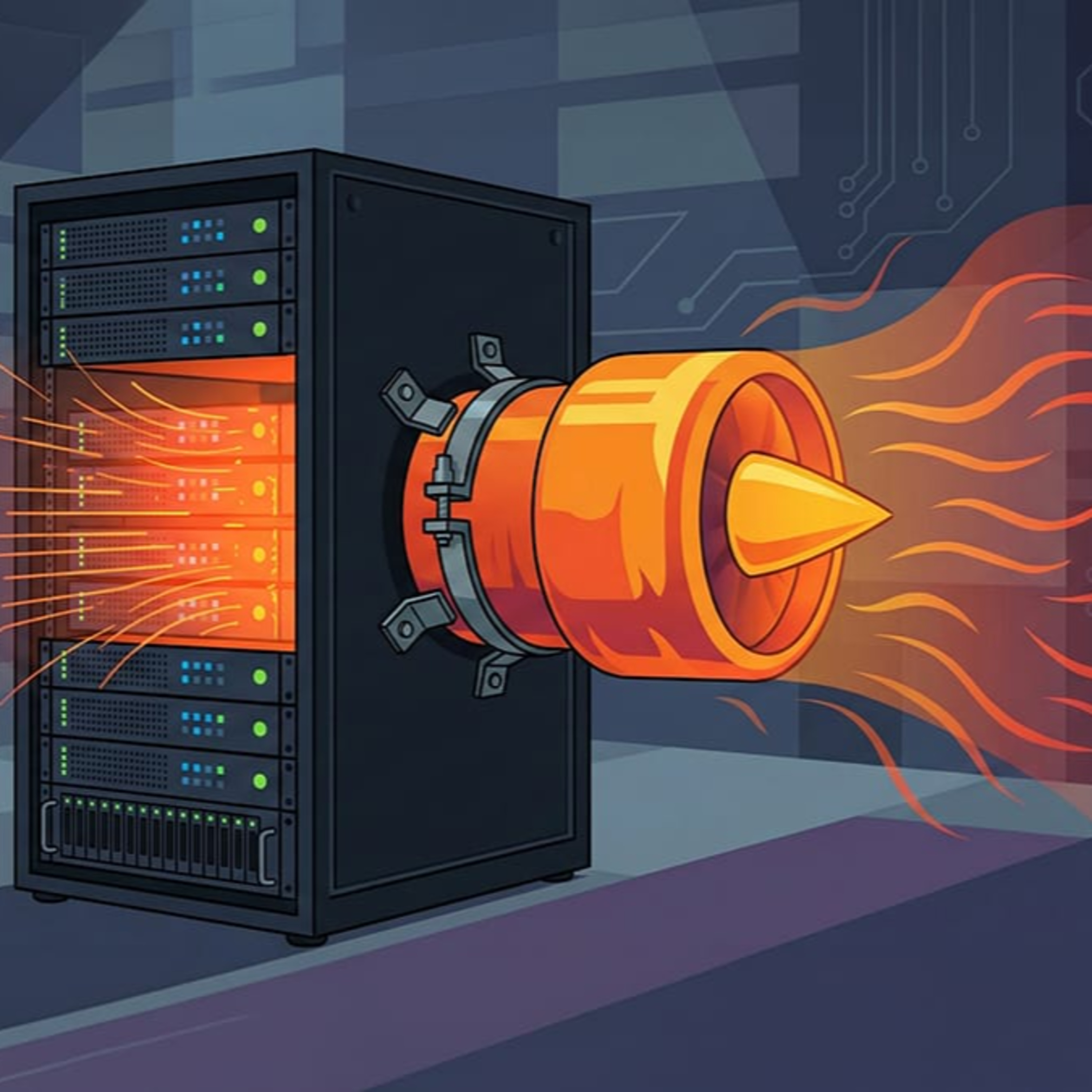
• Repurposing Jet Engines for AI Power: A surprising revelation is the adoption of retired jet engines (like the P&W JT8D) to power AI data centers. Companies are converting these engines to run on methane to provide reliable, albeit carbon-intensive, power. This highlights the urgency and the search for stop-gap solutions.
• Environmental and Grid Stability Concerns: The reliance on fossil fuel-powered turbines raises significant environmental red flags, including emissions of nitrogen oxides and carbon dioxide, contributing to air pollution and exacerbating climate change. This also points to the inherent instability of relying on outdated solutions for cutting-edge technology.
• The Rise of Distributed and Nuclear Solutions: The discussion pivots to future solutions, including the exploration of small modular nuclear reactors (SMRs) by tech giants like Amazon and Google. This trend signifies a move towards more sustainable, reliable, and scalable power sources for the AI era.
💡 Key Insights & Memorable Moments
- “The problem is that power grids were never designed for such a demand to appear this quickly in one location.” This statement encapsulates the central challenge of AI’s energy consumption outpacing infrastructure development.
- The unexpected reuse of retired jet engines for AI data centers. This is a stark illustration of the lengths companies are going to meet the immediate energy demands of AI.
- AI’s energy bottleneck may become electricity itself, not just chips or data. This reframes the core constraint of AI development, shifting focus from computation to energy supply.
- “The future of AI will be shaped as much by energy policy as by algorithms.” This potent quote emphasizes the critical role of energy infrastructure and policy in the continued advancement of artificial intelligence.
🎯 Way Forward
- Accelerate Grid Modernization and Expansion: Prioritize investment in upgrading and expanding electricity grids to handle the projected surge in demand from data centers and AI infrastructure. This ensures reliable power delivery and prevents localized energy crises.
- Incentivize Renewable Energy Integration for AI: Develop policies and financial incentives that strongly encourage AI companies to power their operations with renewable energy sources, such as solar, wind, and advanced geothermal. This mitigates the environmental impact.
- Invest in and Deploy Small Modular Nuclear Reactors (SMRs): Fast-track the research, development, and deployment of SMRs as a clean, reliable, and scalable baseload power solution for data centers. This addresses the intermittency issues of renewables.
- Promote Energy-Efficient AI Model Development: Foster research and development into more energy-efficient AI algorithms and hardware. This reduces the overall energy footprint per computation.
- Develop Robust Policy Frameworks for AI Energy Consumption: Establish clear regulatory guidelines and reporting mechanisms for the energy consumption of AI infrastructure, balancing innovation with environmental responsibility and grid stability.