
🎯 Core Theme & Purpose
This episode delves into pressing issues in India, beginning with the widespread worker protests in Noida driven by rising living costs and stagnant wages. It then pivots to a significant controversy within the IPL, highlighting the Chennai Super Kings’ complaint against Royal Challengers Bangalore. Finally, the discussion centers on the resignation of Justice Yashwant Varma amidst allegations of corruption, raising critical questions about judicial accountability and the integrity of the legal system. This episode is crucial for anyone seeking to understand contemporary socio-economic and political challenges in India, offering insights into labor rights, sporting ethics, and the functioning of the judiciary.
politische Analysis
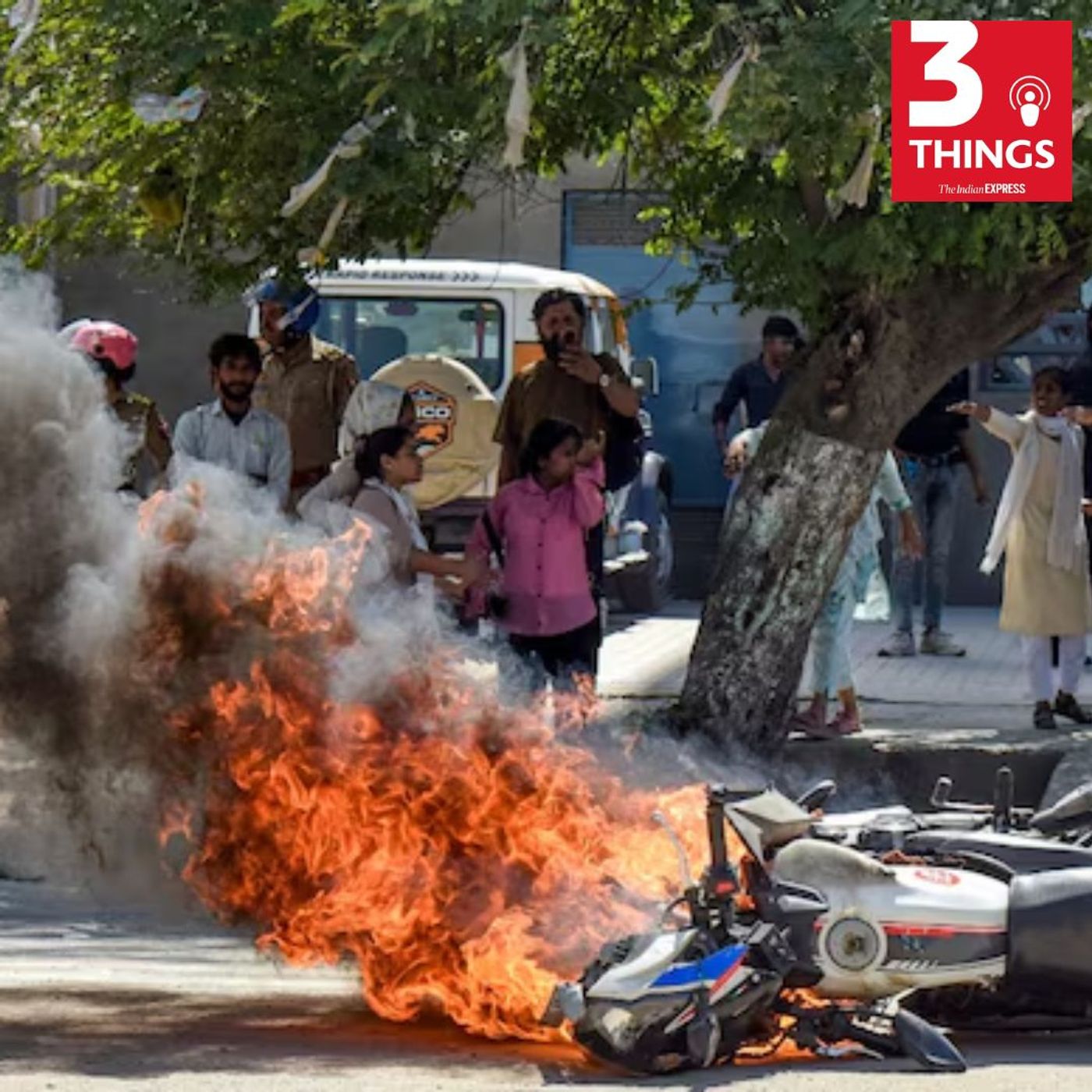
• Noida Worker Protests: Four weeks of protests across industrial belts highlight worker grievances over the “spike in daily expenses,” including rent, food, and LPG, with the latter described as “unaffordable except through the black market.” Wages have failed to keep pace with inflation, leading to demands for higher minimum wages. The protests, initially peaceful, escalated to violence on Monday, with vehicles set ablaze and factories vandalized, resulting in over 300 arrests. • IPL Controversy: Chennai Super Kings (CSK) lodged a complaint with the BCCI regarding music and public address commentary during their away match against Royal Challengers Bangalore (RCB). CSK objected to the use of “Dosa Idli Sambar Chutney Chutney” and comments targeting opposition players, arguing it went beyond creating a positive atmosphere and was directed at undermining the visiting team. This complaint reflects the intensifying rivalry between the two franchises, amplified by RCB’s recent winning streak against CSK. • Justice Yashwant Varma’s Resignation: Justice Yashwant Varma, a judge of the Allahabad High Court, resigned following allegations of corruption, specifically the discovery of “large amounts of cash” at his residence. This resignation pre-empted impeachment proceedings initiated by a Lok Sabha committee, preventing what could have been the first impeachment of a judge from a constitutional court. The investigation into the cash found is ongoing, and it is suggested that a criminal case could still be filed against him. • Judicial Accountability and Impeachment: The resignation of Justice Varma highlights the procedural complexities and political nature of judicial impeachment. While impeachment proceedings were underway, his resignation halted the process, leaving questions about the resolution of the corruption allegations unanswered. It also raises concerns about the effectiveness of existing mechanisms for holding judges accountable and ensuring judicial integrity. • Worker Dissatisfaction and Legal Precedents: The narrative around Justice Varma’s resignation is framed against the backdrop of the broader worker protests, suggesting a systemic disconnect between the judiciary’s operations and the ground realities faced by ordinary citizens. The resignation, while ending impeachment, doesn’t preclude a criminal investigation, but legal experts note the high bar for prosecuting former judges without prior sanctions. • Gig Worker Plight: In parallel to factory worker protests, gig workers are also demonstrating over a lack of basic amenities, including fixed working hours, proper breaks, and access to clean water and sanitation. Their primary demand is not for higher salaries but for essential facilities, highlighting their precarious working conditions and the need for better regulatory frameworks.
💡 Key Insights & Memorable Moments
• The stark contrast between the “unaffordable” cost of LPG through legitimate channels versus the black market underscores the economic distress impacting daily lives. • The IPL controversy highlights the fine line between team support and unsportsmanlike conduct, revealing how even seemingly lighthearted commentary can become a point of contention in highly competitive rivalries. • Justice Varma’s resignation, described as a move to “prevent the process” of impeachment, raises fundamental questions about judicial accountability, suggesting that resignation might be a strategic exit rather than a resolution. • The plight of gig workers, demanding “basic necessities” over salary hikes, underscores a critical gap in labor rights and welfare provisions for an increasingly significant segment of the workforce. • The legal framework for impeaching judges is noted as a “political process,” implying that political will and public pressure play a significant role, and resignation can circumvent such scrutiny.
🎯 Way Forward
- Strengthened Labor Protections: Implement and enforce robust labor laws that ensure fair wages, safe working conditions, and essential amenities for both factory and gig workers, addressing the core issues behind the recent protests. This matters for social stability and economic fairness.
- Enhanced Judicial Oversight and Transparency: Reform the impeachment process to ensure it is less politically susceptible and more focused on evidence, while also establishing clearer, accessible mechanisms for investigating and addressing allegations of judicial misconduct and corruption. This is crucial for maintaining public trust in the judiciary.
- Sports Ethics and Fair Play Regulations: Develop clearer guidelines for stadium entertainment and commentary during sporting events to ensure a positive atmosphere without resorting to personal attacks or biased remarks, fostering sportsmanship. This matters for maintaining the spirit of fair competition.
- Policy Review for Gig Economy Workers: Create specific policies addressing the unique challenges faced by gig workers, including access to social security, minimum working hour guarantees, and provision of basic facilities, recognizing their growing contribution to the economy. This is vital for equitable economic growth.
- Proactive Resolution of Inter-State Water Disputes: Utilize established legal and diplomatic channels for timely and transparent resolution of water-sharing disputes between states, preventing them from escalating into broader political or social tensions. This is essential for cooperative federalism and resource management.