
🎯 Core Theme & Purpose
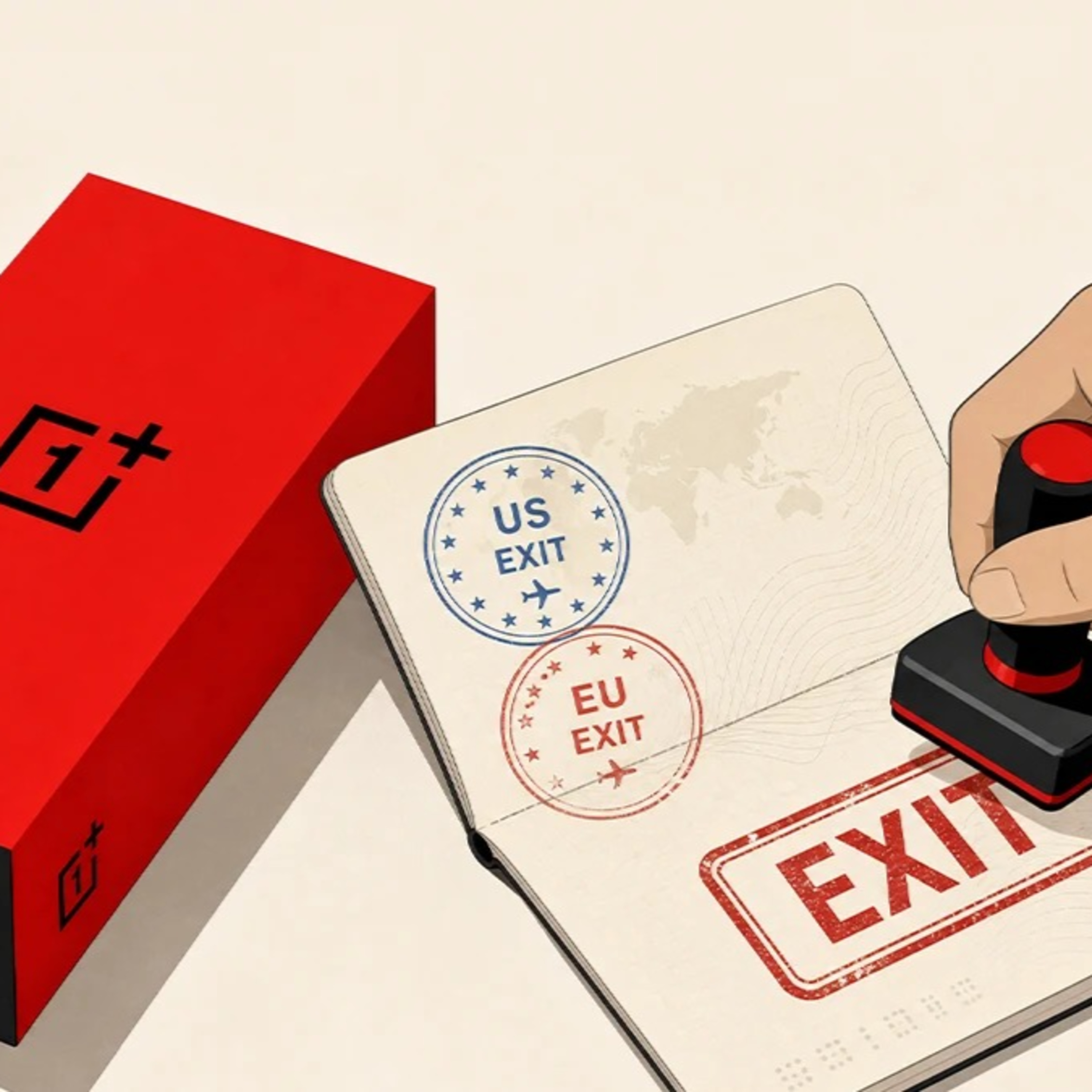
This episode delves into the intriguing evolution of OnePlus, tracing its journey from a disruptive “flagship killer” to a company facing existential questions about its identity and market position. It explores the underlying economic principles that govern such transformations, particularly the concept of disruptive innovation and the cyclical nature of market dominance. This analysis would be highly beneficial for tech enthusiasts, business strategists, and anyone interested in the lifecycle of successful brands.
📋 Detailed Content Breakdown
• OnePlus’s Rise to Cult Status: From 2015-2019, OnePlus cultivated a fervent following among tech enthusiasts by offering flagship-level hardware at significantly lower prices, employing an exclusive invite system that fostered a sense of belonging to a “secret club.” Their clean OxygenOS was lauded for its speed and efficiency, making them a true underdog challenging established giants like Apple and Samsung.
• The Shift Towards Broader Appeal: To achieve global scale, OnePlus began expanding its product portfolio beyond single flagship models, introducing more devices across various price points and retail channels. This strategic shift aimed to reach a larger audience, moving from a niche player to a more comprehensive consumer electronics brand, leveraging synergies within its parent company, Oppo.
• Disruptive Innovation’s Double-Edged Sword: The episode highlights Clayton Christensen’s theory of disruptive innovation, where companies initially succeed by serving overlooked customer segments with simpler, cheaper alternatives. However, as these disruptors gain traction, they are often pulled towards the very business models and profit motives of the incumbents they initially aimed to upend, sacrificing their original unique qualities.
• The Inevitable Gravitational Pull of Scale: Large corporations require predictable revenue, broad adoption, efficient supply chains, and higher profit margins. This economic reality incentivizes companies like OnePlus, even those that began as disruptors, to adopt similar strategies to their larger rivals, leading to a dilution of their initial disruptive essence.
• Competition and Market Saturation: The smartphone market has become intensely competitive with established players like Samsung offering foldable innovations, Apple maintaining its high-end grip, and Google integrating AI into its Pixel line. This saturated landscape forces all brands to compete on similar metrics, making it harder for any single player to maintain a unique disruptive edge.
• The Cyclical Nature of Market Dominance: The narrative emphasizes that no market position is permanent. Today’s disruptor often becomes tomorrow’s established player, facing the same pressures that forced them to innovate in the first place. This creates a vacuum for new disruptors to emerge and capture consumer imagination.
💡 Key Insights & Memorable Moments
• The surprising revelation that OnePlus’s biggest challenges might have stemmed not from external competition, but from internal strategic decisions to scale and broaden appeal.
• The analogy of disruptive innovation as a powerful gravity, pulling even initially revolutionary companies towards the established norms of large-scale operations and profit-driven growth.
• The observation that “The scrappy underdog challenging Samsung slowly transformed into just another large smartphone corporation chasing scale and market share.”
• The core question posed: “Can you truly scale globally without becoming the very thing that you once set out to disrupt?”
🎯 Way Forward
- Re-embrace Core Differentiators: OnePlus should identify and amplify the unique elements that initially resonated with its fanbase, such as software experience and hardware-software integration, rather than solely focusing on expanding product lines. This matters for retaining brand loyalty and distinguishing itself in a crowded market.
- Strategic Niche Focus: Instead of trying to compete across all segments, OnePlus could benefit from strategically focusing on specific niches where it can excel and create dedicated communities, much like its early days. This allows for deeper customer engagement and potentially higher profit margins within those segments.
- Transparency in Product Strategy: Given the evolving market and potential shifts in operations, transparent communication with consumers about product roadmaps and strategic decisions would foster trust and manage expectations. This is crucial for maintaining a connection with its user base.
- Explore Subscription or Service Models: To diversify revenue beyond hardware sales and potentially counter commoditization, exploring innovative service or subscription models could offer new avenues for growth and customer retention. This aligns with broader industry trends and could create recurring revenue streams.
- Leverage Parent Company Strengths Wisely: While leveraging Oppo’s resources is beneficial, OnePlus must carefully balance this with maintaining its distinct brand identity and user experience. The goal should be synergy, not assimilation, ensuring that core strengths are amplified rather than diluted.