
🎯 Core Theme & Purpose
This episode delves into a significant scam involving government welfare schemes in India, specifically focusing on how fraudulent individuals exploited loopholes and corrupted systems to divert funds. It highlights the modus operandi, the scale of the fraud, and the subsequent investigation. The content is highly beneficial for individuals interested in financial scams, governance, anti-corruption efforts, and the intricacies of India’s welfare programs.
📋 Detailed Content Breakdown
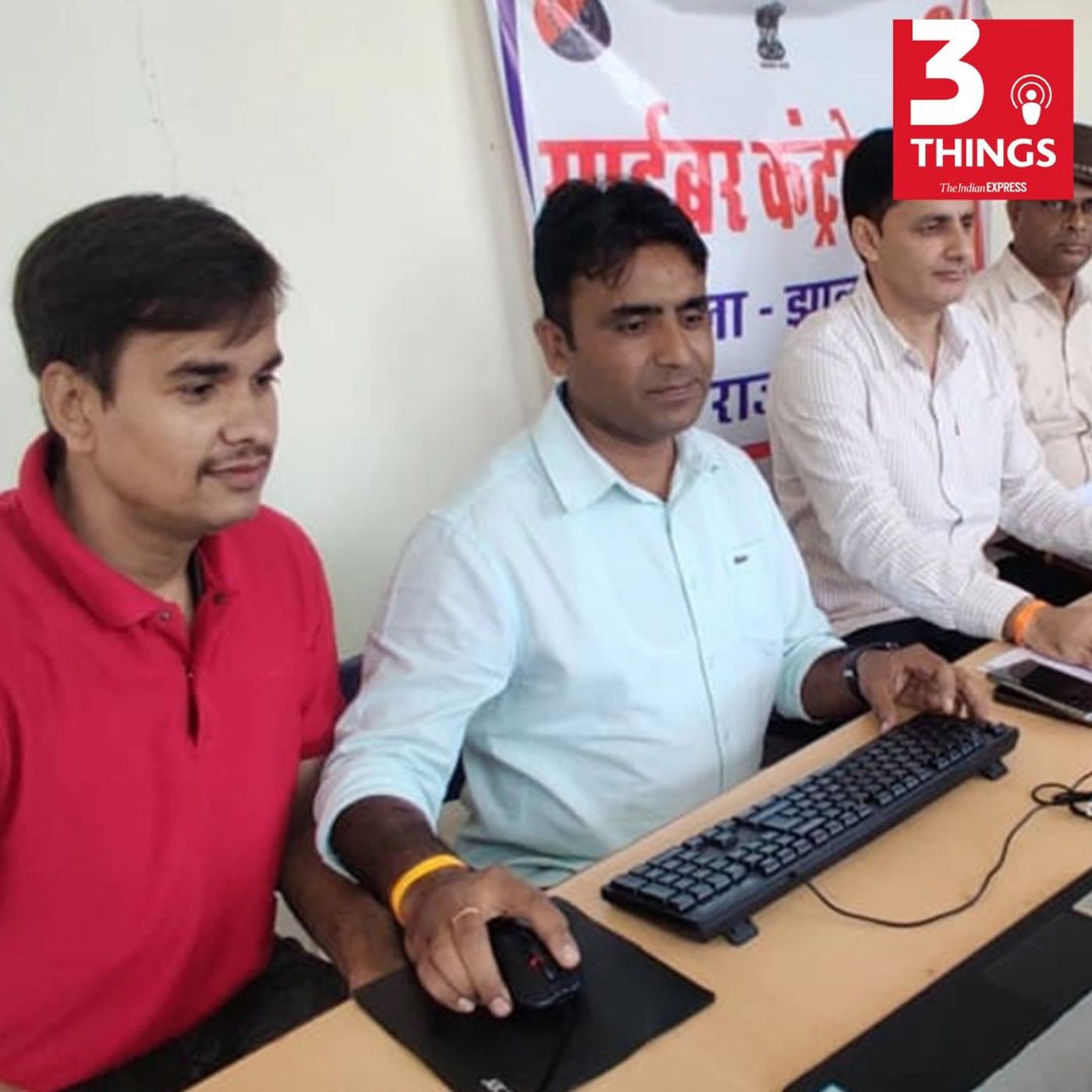
• Widespread Welfare Scheme Fraud: The discussion centers on a large-scale scam where thousands of individuals, primarily from Rajasthan, were made beneficiaries of crucial government schemes like PM Kisan. This was achieved with the help of field agents and government officials, demonstrating a systematic exploitation of the system.
• Plausible Deniability & Victim Exploitation: The scam involved approaching common citizens, some aware of the illegality and others unaware, with promises of government cash. These individuals were asked for details like Aadhaar cards and a percentage of the received amount in return for easy access to benefits.
• Sophisticated Forgery and Systemic Corruption: Fraudulent activities occurred at multiple levels, including the creation of fake disability certificates for pension schemes and the manipulation of land records for crop loss compensation. The involvement of individuals within the government and the use of technical means to exploit system gaps were crucial.
• Multi-Agency Investigation and Arrests: The investigation, initiated by a tip-off regarding one Ashiq Ali, led to raids across multiple states and the arrest of over 50 individuals, including the alleged mastermind, Ramavtar Saini. Evidence of financial impropriety was found in various schemes, including PM Kisan and social security pensions.
• Risks of Rice-Based Bioweapons: A separate segment discusses the investigation into a plot involving Dr. Ahmed Mouyiddin Syed, who allegedly planned to acquire firearms and develop a toxic agent from rice, potentially for a terrorist attack. This highlights the emerging threat of bio-terrorism and the challenges in tracking such agents.
• NCERT Textbook Controversy: The episode concludes with the withdrawal of an NCERT class 8 social science textbook due to objections over a section on corruption in the judiciary. This sparked a debate about how to represent sensitive topics in educational materials and the role of the judiciary.
💡 Key Insights & Memorable Moments
- Systemic Vulnerabilities: The sheer scale of the scam across multiple government schemes underscores deep-seated vulnerabilities in the system, allowing for widespread financial irregularities.
- “Mastermind” Arrests and Investigations: The identification and arrest of alleged masterminds like Ramavtar Saini and the complex multi-state operations highlight the sophisticated nature of these financial crimes.
- Bio-Terrorism Threat: The mention of Dr. Ahmed Mouyiddin Syed’s alleged plot involving a toxic agent derived from rice points to a disturbing new frontier in potential terrorist activities.
- NCERT’s Textbook Withdrawal: The decision by NCERT to withdraw a textbook chapter on judicial corruption signifies the sensitivity surrounding discussions of institutional integrity in India.
- Quote: As one investigator remarked about the scam, “They had the technical know-how that people within the gang who had the technical expertise to exploit the gaps in the system.”
- Data Point: An estimated ₹14.81 crore was reportedly misappropriated solely within the PM Kisan scheme.
🎯 Way Forward
- Strengthen E-Governance Audits: Implement more robust and real-time digital audits of welfare scheme disbursements to detect anomalies and prevent fraudulent transactions proactively. This matters for ensuring public funds reach intended beneficiaries and reducing leakage.
- Enhance Inter-Agency Coordination: Foster seamless information sharing and joint operational strategies between national and state-level investigative agencies to tackle complex, multi-state financial crimes and terrorism threats more effectively. This is crucial for a unified and swift response.
- Develop Robust Bio-Threat Detection and Response: Invest in advanced research and development for identifying and neutralizing novel biological threats, including those derived from common substances like rice, and establish rapid response protocols. This is vital for national security against emerging forms of attack.
- Promote Transparent Governance Education: Encourage open and factual discussions about governance challenges, including corruption, in educational materials while ensuring balanced perspectives and avoiding outright defamation of institutions. This fosters informed citizenry and democratic accountability.
- Re-evaluate Digital Identity Verification: Review and enhance the security protocols for digital identity verification and access to government portals to prevent further misuse of personal data for fraudulent financial gains. This is fundamental to protecting individuals and the integrity of welfare systems.