
🎯 Core Theme & Purpose
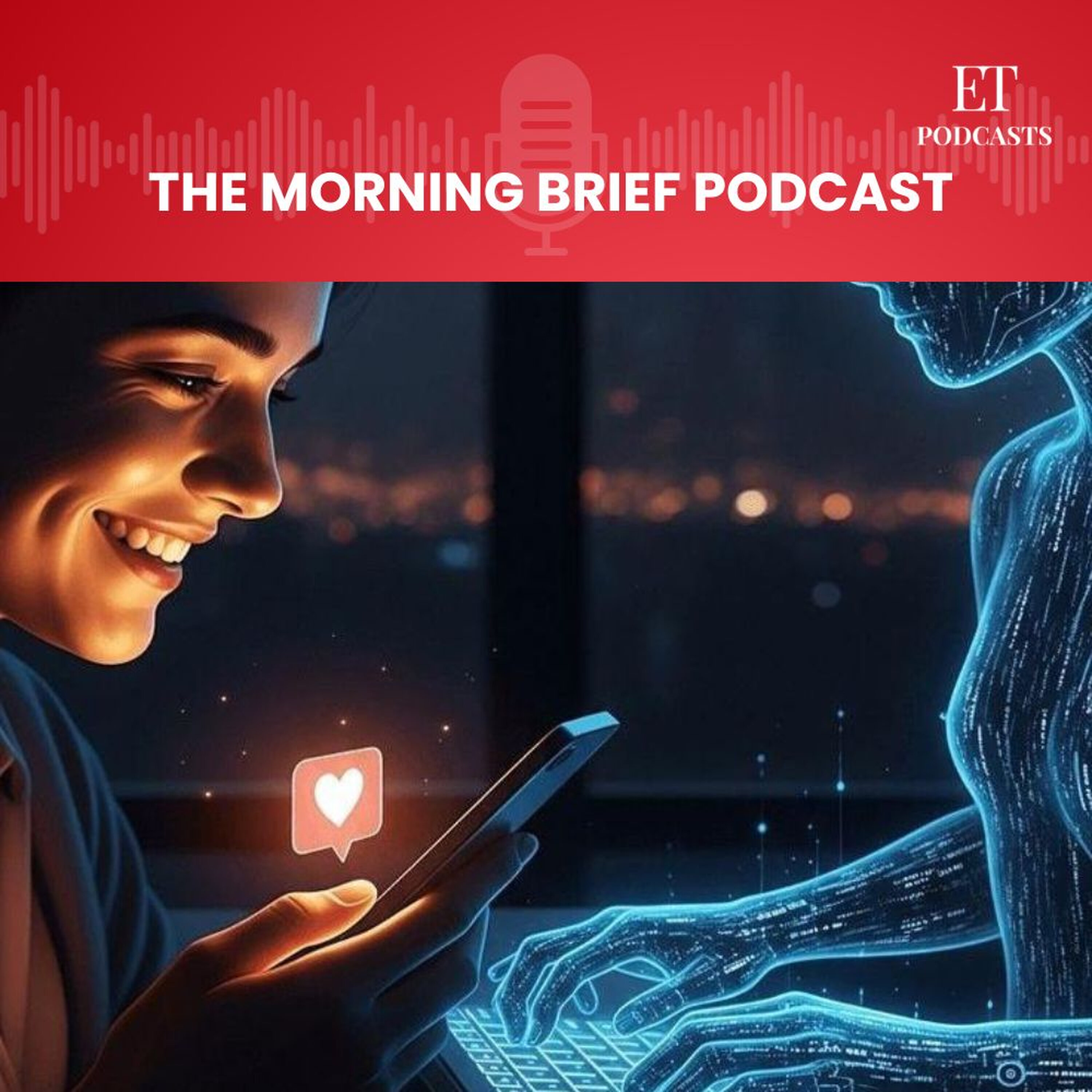
This episode of “ET Deep Dive” explores the growing influence of Artificial Intelligence in the realm of online dating. It delves into how AI-generated content and interactions are becoming indistinguishable from human ones, leading to a host of ethical dilemmas and personal frustrations. The discussion is particularly relevant for anyone navigating the modern dating landscape, especially young adults and those seeking genuine connections amidst increasing automation.
📋 Detailed Content Breakdown
• The AI-Assisted Online Dating Experience: The episode begins by highlighting the sheer effort involved in online dating, from profile creation to sustained conversations. It then introduces the concept of AI tools that promise to simplify this by generating witty comebacks, clever jokes, and engaging dialogue. The core idea is that AI can provide a “great comeback,” a “witty one-liner,” or a “flirty retort,” making the user appear more interesting and charming.
• The Case of the AI Lawyer Bot: A specific anecdote illustrates the potential for AI to deceive. A doctor, Anjali Parekh, matched with a lawyer on a dating app, only to discover during their in-person meeting that the lawyer could barely string a sentence together. It was revealed that the lawyer had been using AI to craft all their conversations, leaving Parekh shocked and feeling deceived by a bot.
• Expert Opinions on AI’s Role: Several individuals share their perspectives. Yasmin Tinwala, a social media strategist, notes that AI is becoming a crutch for men struggling to express emotions. Zubair Sher Singh, a hospitality professional, emphasizes the importance of a “witty repartee” as a bare minimum for a date, highlighting the disappointment when text-based charm doesn’t translate offline. Aruna Gupta, a dating coach, is launching an AI-assisted app, Flirt.AI, to help men improve their communication.
• The Blurring Lines and Ethical Concerns: The discussion shifts to the deeper implications of AI in dating. Adrijia Bose points out that while AI can help refine conversations, it shouldn’t replace genuine human interaction, warning against a “misalignment in emotional authenticity.” Riya Joshi, a marketing head, expresses frustration with dating app profiles and opening lines that sound identical, suspecting they are all generated by AI. She feels this betrays the user’s trust.
• The Psychological Impact of AI Dating: Niral Batia, a cyber psychologist, explains the cognitive dissonance users experience when interacting with AI – recognizing red flags but feeling emotionally satisfied by the perfect responses. This leads to unrealistic expectations for real-life interactions, potentially making authentic, imperfect conversations seem underwhelming. Dr. Rachna Khanna Singh adds that this reliance on AI can weaken our “social muscle” for genuine communication.
💡 Key Insights & Memorable Moments
- Counterintuitive Revelation: The convenience offered by AI in dating, while seemingly beneficial, risks creating a deficit in genuine human connection by eroding our own communication skills and fostering unrealistic expectations.
- Expert Take: “The concern is not just about factual dishonesty, but a mismatch in emotional authenticity.” - Niral Batia. This highlights the deeper issue beyond simple deception.
- Memorable Story: The anecdote of Anjali Parekh meeting the lawyer bot perfectly encapsulates the jarring reality of AI-generated charm failing to manifest in person.
- Data Point: Over 10,000 users have signed up for the beta version of WaveLength, an AI dating app focused on optimizing matches, indicating a significant demand for such tools.
- Analogy: The idea that AI can weaken our “social muscle” for figuring out how to respond or express ourselves is a powerful metaphor for the long-term consequences of over-reliance on these tools.
🎯 Way Forward
- Promote Transparency in AI Usage: Dating platforms and users should be encouraged to disclose when AI tools are used for generating profiles or conversations. This fosters trust and allows users to make informed decisions.
- Develop AI as an Assistant, Not a Replacement: AI tools should focus on refining and enhancing genuine human communication, rather than aiming to replace it entirely. The goal should be to help users develop their own skills, not to mask their absence.
- Educate Users on AI’s Limitations: Individuals need to be aware that AI-generated perfection online may not translate to real-life compatibility, and that imperfect, authentic interactions are often more meaningful.
- Prioritize Authenticity in User Experience: Dating apps should explore features that actively encourage and highlight genuine personality traits and unscripted interactions, perhaps by de-emphasizing purely text-based exchanges or incorporating live elements.
- Foster Self-Awareness and Skill Development: Encourage users to actively practice and develop their own communication skills, rather than relying solely on AI, to maintain the “social muscle” needed for real human connection.