
🎯 Core Theme & Purpose
This episode delves into the critical importance of early childhood development and the financial implications for policy. It highlights the current protests in Delhi concerning the NEET-UG paper leak and the broader context of youth-led dissent in India. The discussion also explores China’s evolving stance on Artificial Intelligence and its global implications, along with the significance of a Santali language film winning a national award. This content is highly beneficial for policymakers, educators, parents, and anyone interested in social justice, technological governance, and cultural representation in media.
📋 Detailed Content Breakdown
• The Crucial Role of Early Childhood Development: The episode emphasizes that a child’s early formative years are the prime time to instill essential skills for future success. Positive experiences, responsive caregiving, proper nutrition, and opportunities for learning significantly impact brain development and overall growth. This foundational period has a lasting effect on an individual’s life trajectory.
• Financing Early Childhood Development: A key discussion point, in collaboration with Mobile Creches, addresses the importance of adequate financing for early childhood development programs. Strong early childhood development improves long-term quality of life, but achieving this requires the right policies and sufficient financial allocation. The episode underscores that financial commitment is crucial for successful implementation.
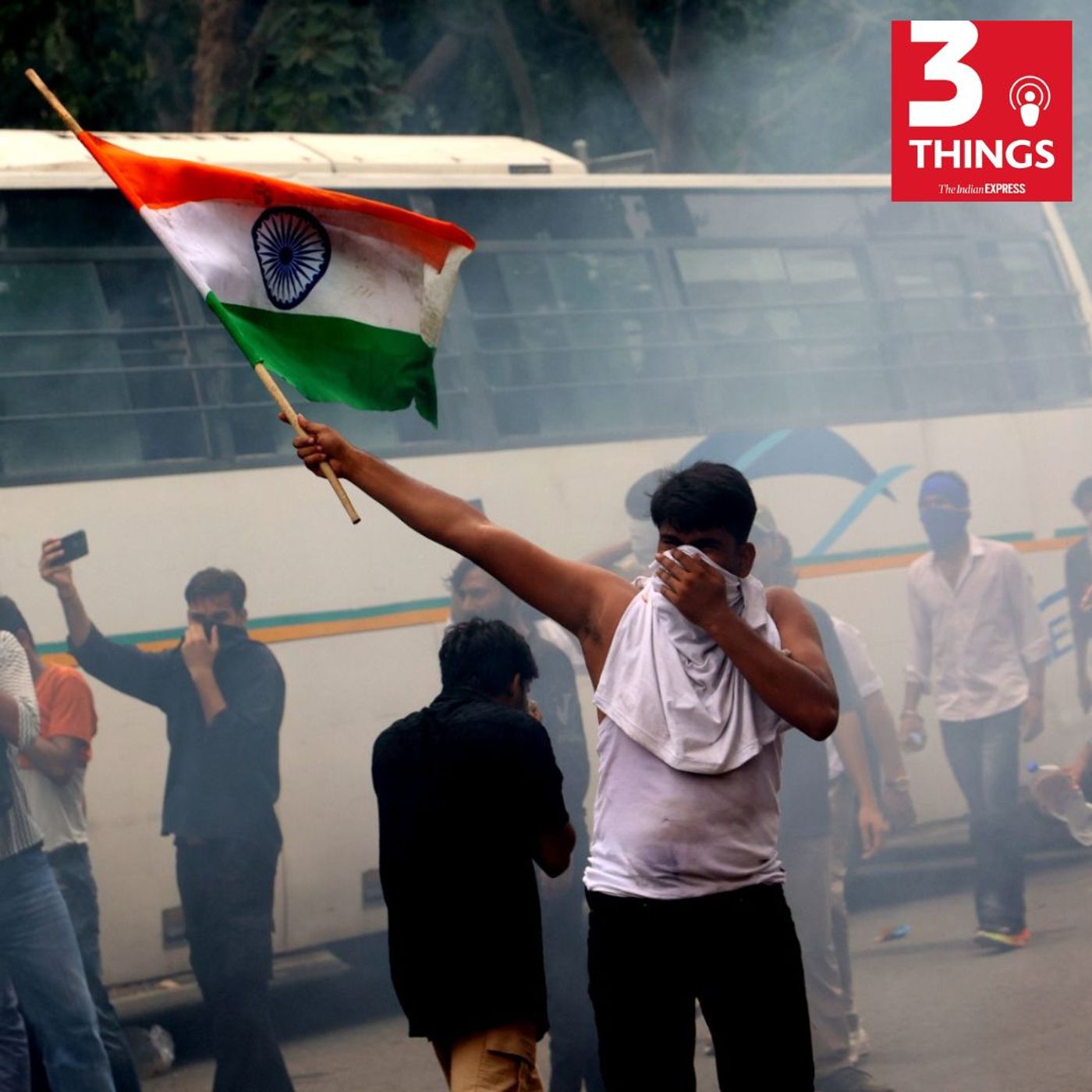
• NEET-UG Protests and Escalating Tensions: The episode details the significant escalation of protests in Delhi related to the NEET-UG paper leak. What began as a youth-led demand for the resignation of the Education Minister has transformed into widespread civil unrest. The confrontation between protesters and police involved the use of batons, tear gas, and water cannons, resulting in injuries on both sides and prompting the registration of multiple FIRs.
• Political Ramifications of the NEET-UG Protests: The political fallout from the NEET-UG protests is examined, noting the detention of prominent opposition leaders like Rahul Gandhi and Priyanka Gandhi Vadra. This detention occurred after they staged a protest outside the Prime Minister’s residence, highlighting the growing political sensitivity and crackdown surrounding the issue. The controversy has become a significant political flashpoint.
• China’s AI Ambitions and Governance Debate: The episode focuses on China’s participation in the World AI Conference in Shanghai, showcasing its advancements in artificial intelligence. This event transcended technical discussions, becoming a platform for global dialogue on AI governance and the need for an international framework to prevent misuse. China’s push for AI leadership aims to shape global rules and prevent exclusion of developing nations.
• Santali Film’s National Recognition: The story of Ravi Raj Murmu’s short film “Angan” winning the Best Debut Film award at the 70th National Film Awards is highlighted. This achievement marks a significant milestone as it is the first Santali language film to receive such a prestigious award. It underscores the growing visibility and potential of indigenous narratives and languages in Indian cinema, promoting cultural diversity.
💡 Key Insights & Memorable Moments
• Underestimation of Protest Scale: A surprising revelation is how the Delhi Police and security agencies significantly underestimated the turnout and scale of the NEET-UG protest, despite prior intelligence. This miscalculation led to unpreparedness and subsequent clashes.
• AI Governance: A Global Tug-of-War: The episode highlights that the discourse on AI governance is not merely about technological advancement but a geopolitical contest to shape the rules of AI for future global order. China’s assertive role suggests a desire to counterbalance Western dominance in setting AI standards.
• “Angan” as a Cultural Landmark: The national award for “Angan” signifies more than just artistic recognition; it represents a victory for indigenous storytelling and linguistic diversity in India. It opens doors for other tribal and regional language films to gain prominence.
• Quote: “The episode emphasizes that a child’s early formative years are the prime time to instill essential skills for future success.” - (Paraphrased insight from the initial segment)
🎯 Way Forward
- Increase Investment in Early Childhood Development (ECD): Prioritize substantial and sustained government funding for ECD programs, recognizing their long-term impact on societal well-being and economic productivity. This matters for building a stronger future generation and reducing future social costs.
- Strengthen AI Governance Frameworks: Foster inclusive international dialogue for developing robust AI governance structures that address ethical concerns, safety, and prevent misuse, ensuring benefits are shared globally and risks are mitigated. This is crucial to harness AI’s potential responsibly.
- Promote Diverse Cultural Narratives: Support and create platforms for regional and indigenous language films like “Angan” to gain wider recognition, fostering cultural diversity and empowering marginalized communities through storytelling. This enriches the national cinematic landscape and preserves cultural heritage.
- Address Systemic Failures in Education & Governance: Implement comprehensive reforms to ensure fairness and transparency in national examinations like NEET-UG, alongside strengthening accountability mechanisms for educational bodies and addressing the root causes of public dissent. This is vital for restoring public trust and ensuring equitable access to opportunities.
- Encourage Cross-Cultural Dialogue and Collaboration in AI: Facilitate international cooperation on AI research and development, promoting open standards and collaborative governance models to ensure AI benefits all of humanity and avoids geopolitical fragmentation. This fosters innovation and shared progress.