
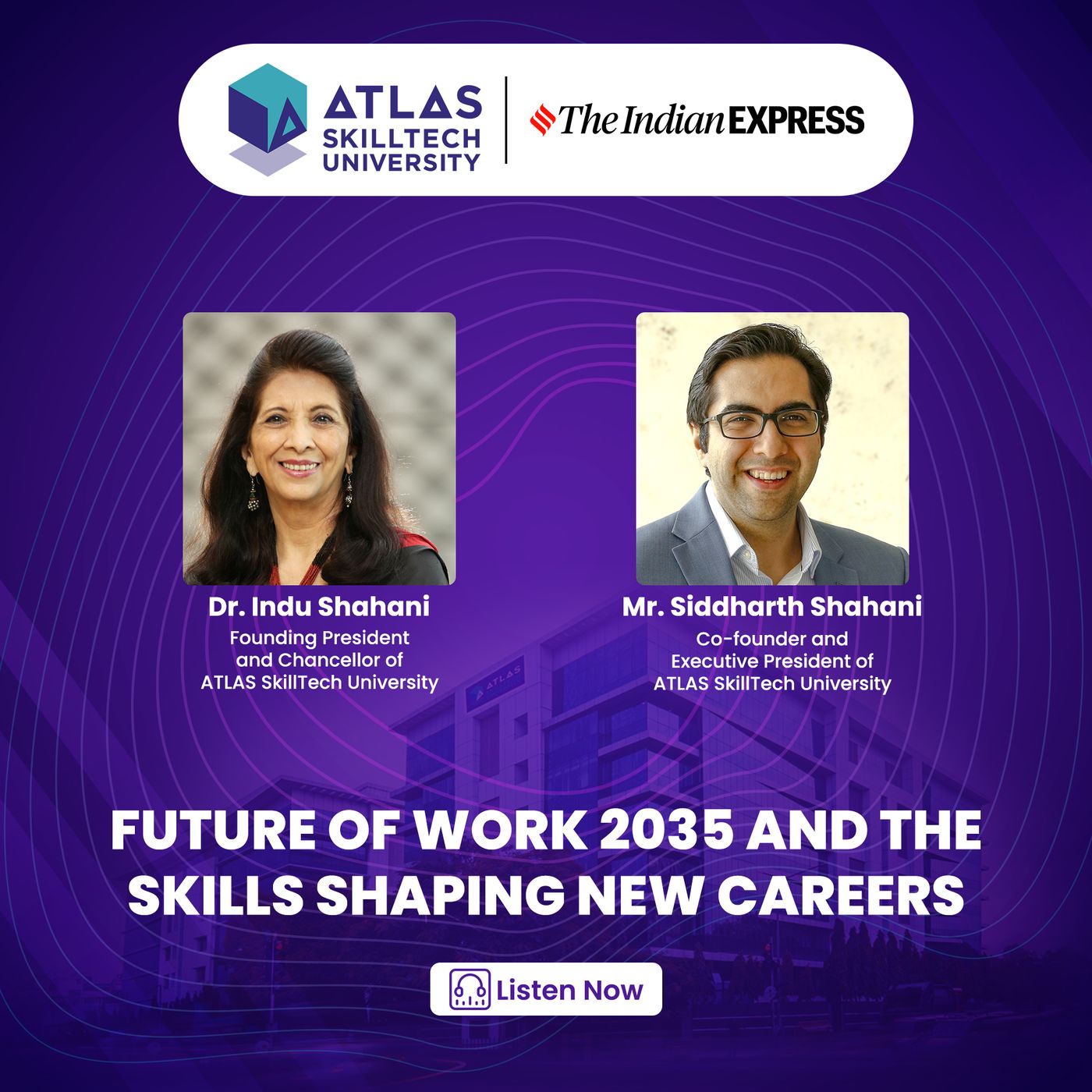
🎯 Core Theme & Purpose
This podcast episode delves into the rapidly evolving landscape of future careers and the necessary shifts in education to prepare individuals for them. It explores how artificial intelligence and global changes are disrupting traditional career paths and emphasizing the need for adaptability, continuous learning, and a new educational model. Professionals, educators, students, and policymakers concerned with workforce development and future readiness will find valuable insights.
📋 Detailed Content Breakdown
• The Unprecedented Pace of Change: The world is changing faster than ever, with artificial intelligence no longer a future concept but a present reality disrupting how we learn, create, make decisions, and lead teams. This necessitates preparing for careers that don’t yet exist in industries still forming.
• Redefining Education for the Future: Traditional education focused on content delivery is becoming obsolete. The emphasis must shift to capacity building, skill development, and fostering critical thinking, adaptability, and problem-solving in students to navigate real-world contexts.
• Multidisciplinary and Experiential Learning: Dr. InduSahnni highlights the need for education that is interdisciplinary, experiential, and focused on learning by doing, as workplaces increasingly demand practical experience and adaptability across diverse fields like design, technology, business, and law.
• The Role of AI as a Co-worker: SiddharthShani emphasizes that AI should be viewed as a co-worker, not just a tool. This perspective necessitates developing AI literacy and leveraging AI to solve complex problems, requiring collaboration and co-thinking, while also building strong foundational skills in analytics, critical thinking, and problem-solving.
• Nurturing Entrepreneurship and Earning Potential: Atlas Skilltech University focuses on developing an entrepreneurial mindset, moving students from employability to “earnability.” This involves teaching students to build revenue-generating startups, emphasizing innovation, problem-solving, and ethical AI integration.
• Global Exposure and Cross-Cultural Competence: The podcast stresses the importance of global immersion and collaboration. Initiatives like international masterclasses, summer programs, and partnerships with global universities prepare students for an interconnected world, fostering cross-cultural understanding and a global mindset.
💡 Key Insights & Memorable Moments
- From Job Seekers to Job Creators: A powerful anecdote shared by Dr. InduSahnni illustrates the success of Atlas Skilltech University’s approach: a student who was initially seeking a job in administration and finance, upon graduation, had already created their own company, with first-year students working for them. This signifies a paradigm shift from preparing job seekers to fostering job creators.
- AI as a Disruptor and Enabler: While AI is a disruptor, it’s also presented as a tool that enhances human capabilities, allowing individuals to achieve more by automating mundane tasks and enabling focus on complex problem-solving, creativity, and strategic thinking.
- The Need for Constant Unlearning and Relearning: The core message for future success is encapsulated by Dr. InduSahnni: “The most successful individuals will not be those who know the most, but those who can learn, unlearn, and reinvent themselves the fastest.”
- Integrated Ecosystem for Entrepreneurship: Siddharth Shani highlights Atlas’s approach of building an entire ecosystem for entrepreneurship, from curriculum design and in-class teaching to incubation support, mentorship, and even investment in student startups through initiatives like their version of “Shark Tank.”
🎯 Way Forward
- Embrace Lifelong Learning and Adaptability: Individuals must cultivate a mindset of continuous learning, unlearning, and relearning to stay relevant in a dynamic job market. This proactive approach is crucial for navigating career transitions and evolving skill demands.
- Develop Cross-Functional Skill Sets: Focus on acquiring skills across disciplines (e.g., technology, design, business, ethics) to thrive in hybrid career roles and tackle complex, multifaceted challenges that traditional single-discipline training cannot address.
- Foster an Entrepreneurial Mindset: Cultivate the ability to identify opportunities, take calculated risks, and create value, whether through starting one’s own venture or bringing innovative thinking to existing organizations.
- Leverage AI as a Collaborative Partner: Understand and integrate AI as a co-worker to enhance productivity, problem-solving, and creative capabilities, focusing on human-AI synergy rather than competition.
- Seek Global and Cross-Cultural Experiences: Actively pursue opportunities for international exposure, collaboration, and understanding to develop a global perspective and the adaptability required for an interconnected world.