
🎯 Core Theme & Purpose
This episode delves into significant legislative and geopolitical events that occurred in India and internationally. It covers the failure of a key constitutional amendment bill in the Indian parliament, an international incident involving Iranian naval action against Indian-flagged vessels, and the disenfranchisement of voters in West Bengal ahead of elections. The discussion is crucial for understanding the current political landscape, legislative processes, and international relations impacting India.
📋 Detailed Content Breakdown
• Constitutional Amendment Bill Fails in Lok Sabha: A special parliamentary session was held to debate and pass the 131st Constitutional Amendment Bill, aimed at implementing 33% reservation for women in the Lok Sabha and state assemblies, along with facilitating the delimitation exercise. Despite a marathon two-day debate, the bill was defeated after failing to secure the required two-thirds majority, with only 298 out of 528 members voting in favor. Prime Minister Modi subsequently addressed the nation, criticizing the opposition for blocking this legislation.
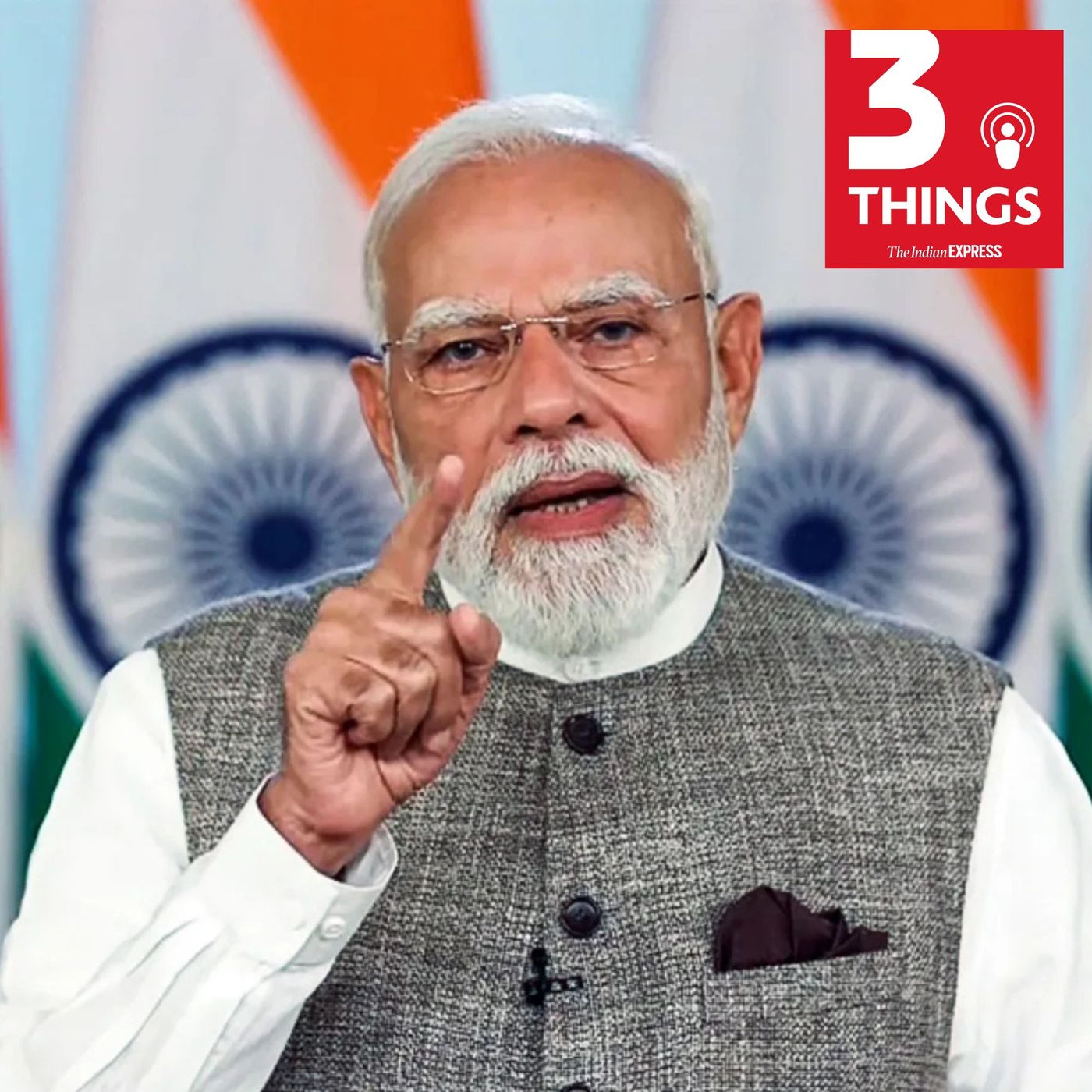
• Prime Minister Modi’s Scathing Attack on Opposition: Following the legislative defeat, Prime Minister Narendra Modi accused opposition parties, including Congress, DMK, TMC, and Samajwadi Party, of “foeticide” for obstructing the women’s quota legislation. He invoked a moral high ground, suggesting that these parties had murdered the aspirations of women and the nation’s progress by opposing the bill, framing it as a direct attack on the rights of women.
• Debate Over Women’s Reservation Bill’s Structure and Timing: The episode highlights the complex interplay between the Women’s Reservation Bill, delimitation, and census data. The bill, passed by Parliament in 2023, was contingent on the next delimitation exercise, which in turn depends on census data. The government’s attempt to advance the implementation by amending the constitution was met with opposition arguments questioning the reliance on 2011 census data and the proposed timeline, leading to a procedural deadlock.
• West Bengal Voter Disenfranchisement Ahead of Elections: The episode addresses the confusion and concern surrounding the deletion of approximately 2.7 million voters from the electoral rolls in West Bengal. This action, part of a special intensive revision process mandated by courts to clean up electoral rolls, has left many voters uncertain about their eligibility and the process for re-enrolling. The scale of the deletions, particularly in districts with significant migrant populations and in minority-dominated areas, has raised concerns about political motives.
• Iranian Naval Actions and Strait of Hormuz: The episode touches upon the escalating tensions in the Persian Gulf, with Iran announcing the reopening of the Strait of Hormuz for commercial vessels while its navy attacked two Indian-flagged vessels, two of which were Indian carriers. India has lodged a strong protest, summoning the Iranian envoy and demanding assurances for the safety of its shipping. This incident highlights the precarious geopolitical situation and the vulnerability of maritime trade routes.
• Challenges in Implementing Electoral Reforms: The discussion reveals systemic issues in the implementation of electoral reforms, particularly concerning voter list management and the functioning of tribunals. Despite the creation of special tribunals and the intent to expedite the process of restoring deleted names, the administrative hurdles and the sheer volume of cases suggest a significant gap between the intended efficiency and the ground reality. This raises questions about the preparedness of the system to handle such crucial processes effectively.
💡 Key Insights & Memorable Moments
- “Foeticide” Allegation: Prime Minister Modi’s hyperbolic accusation of “foeticide” against opposition parties for blocking the women’s reservation bill underscores the heightened political polarization and the use of strong rhetoric in Indian politics.
- “Babes thrown from both sides”: The description of parliamentary debates as a scenario where “babes were thrown from both sides” vividly illustrates the acrimonious and often personal nature of political discourse during contentious legislative periods.
- “The bill’s fate was sealed at the very time when it was introduced”: This observation highlights the political miscalculation or strategic decision-making by the government, suggesting the bill lacked sufficient prior consensus and was doomed from the outset.
- “You have to wait for the next revision cycle”: The statement illustrates the bureaucratic challenges and the potential for prolonged disenfranchisement, as affected voters might have to wait for extended periods to have their names restored, impacting their immediate right to vote.
- “The scale of deletion is huge. If you go by that logic, every booth has 125 and more deletions.”: This statistic emphasizes the magnitude of the voter disenfranchisement issue in West Bengal, raising serious questions about the fairness and accuracy of the electoral process.
🎯 Way Forward
- Strengthen Parliamentary Consensus Building: Prioritize cross-party dialogue and consensus-building mechanisms before introducing crucial constitutional amendments to avoid legislative failures and ensure inclusivity.
- Enhance Transparency and Efficiency in Electoral Processes: Implement robust digital platforms and streamline administrative procedures for voter registration and deletion corrections, ensuring timely resolution of cases and clear communication with citizens.
- Address Geopolitical Risks Proactively: Develop comprehensive diplomatic and security strategies to mitigate risks associated with volatile maritime trade routes and international disputes, ensuring the safety of Indian assets and citizens abroad.
- Prioritize Citizen-Centric Electoral Reforms: Focus on reforms that empower voters and guarantee their right to participate in democratic processes, ensuring that legislative intent translates into tangible access for all eligible citizens.
- Improve Systemic Preparedness for Reforms: Conduct thorough impact assessments and pilot programs before implementing large-scale administrative changes like nationwide voter list revisions, ensuring that the infrastructure and processes are adequate to handle the workload without disenfranchising citizens.