
🎯 Core Theme & Purpose
This episode delves into significant global investigations, focusing on how the Indian Express’s probe into offshore wealth has led to substantial tax revenue for India. It also covers a fatal industrial explosion near Nagpur. The central focus is the legal and financial implications of major investigative journalism and its impact on national economies. Professionals in finance, law, investigative journalism, and policymakers interested in tax evasion and industrial safety would find this episode highly beneficial.
📋 Detailed Content Breakdown
• Offshore Wealth Investigations & Tax Revenue: The episode highlights how three major investigations by the Indian Express, including the Panama Papers, Paradise Papers, and Pandora Papers, have resulted in over ₹14,000 crore being brought to tax in India. This demonstrates the significant impact of investigative journalism on uncovering undeclared offshore assets and bolstering national revenue. The process involves detection, notice issuance, and eventual assessment, marking a crucial step in bringing previously hidden wealth into the tax net.
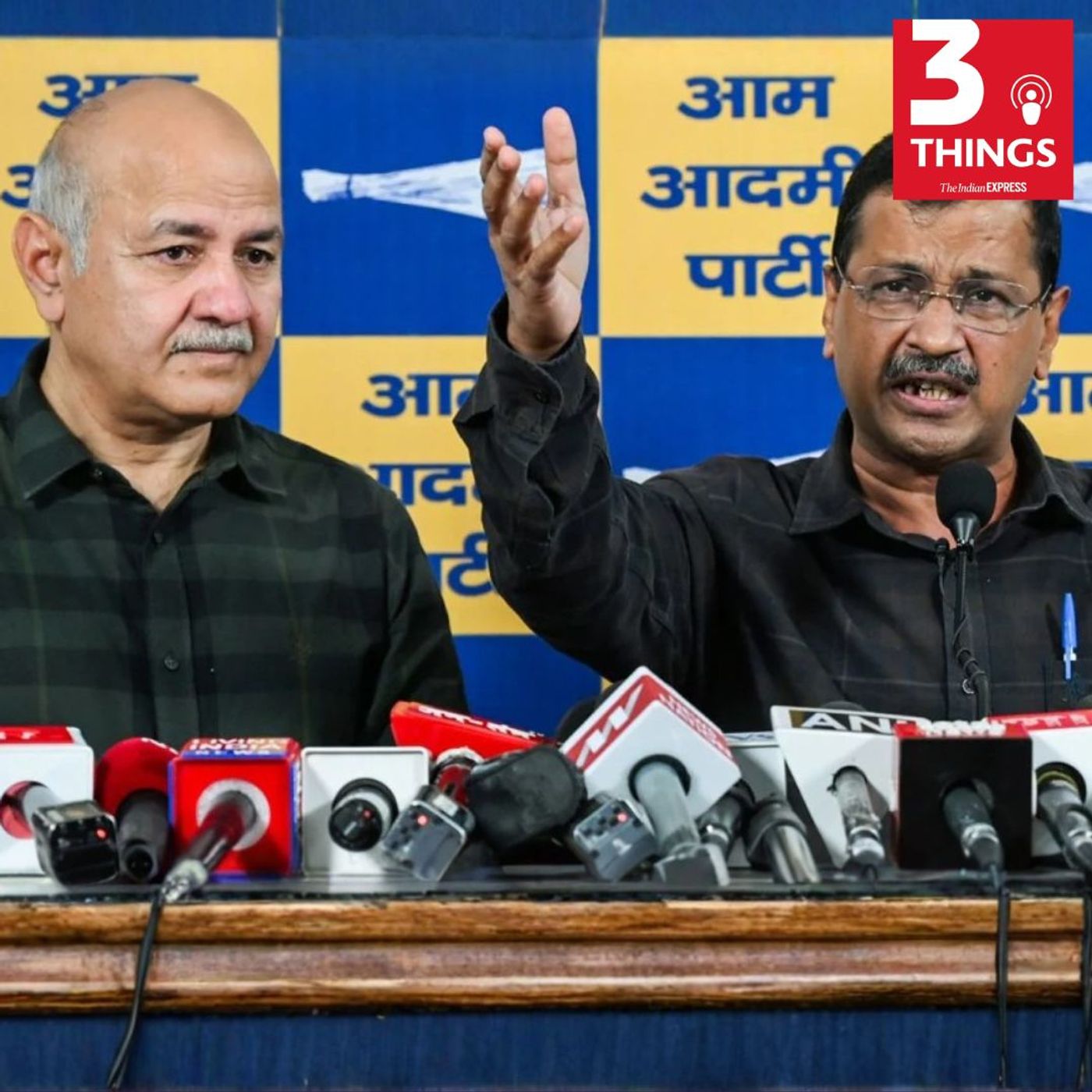
• Delhi Excise Policy Case & Legal Challenges: The Delhi court discharged Arvind Kejriwal, Manish Sisodia, and 21 others in the CBI case related to the 2021-22 Delhi excise policy. The court cited a lack of sufficient evidence in the charge sheet, indicating gaps and unsubstantiated claims. This discharge, occurring early in the legal process, carries significant weight and raises questions about the strength of the prosecution’s case. The policy itself aimed to curb monopolies and cartel formation in the liquor trade by restructuring the supply chain.
• Withdrawal of Delhi Excise Policy & Allegations: The excise policy was later withdrawn in July 2022 amidst allegations of procedural irregularities and undue benefits to private licensees. A report highlighted procedural lapses, arbitrary decisions, and financial losses estimated around ₹580 crore. This led to CBI and ED investigations, focusing on money laundering angles. The policy’s original objective was to move from a state-controlled model to a fully privatized one.
• ED Investigation & Predecessor Offense: The Enforcement Directorate (ED) investigation into the excise policy is linked to predicate offenses, meaning it requires a registered offense under laws like the Prevention of Corruption Act. The discharge of the accused by the trial court significantly weakens the ED’s case, as it removes the foundational offense required for money laundering charges. Without a proven predicate offense, the ED’s ability to sustain its case becomes challenging.
• Impact of Investigations on Transparency and Governance: The Panama, Paradise, and Pandora Papers investigations have exposed how global leaders, billionaires, and corporations use secretive jurisdictions to hide wealth, evade taxes, and, in some cases, launder money. These probes have spurred calls for greater transparency and accountability in the global financial system. While specific recovery figures are complex, the process initiated by these investigations has led to substantial tax collections and ongoing scrutiny of offshore financial dealings.
• Deadly Industrial Explosion in Nagpur: An industrial explosion near Nagpur resulted in at least 16 deaths and critically injured 18 others. The incident occurred at an SBL Energy Limited unit, a manufacturer of detonators and explosives used in mining and construction. Investigations are underway to determine the exact cause of the explosion, which is suspected to have occurred during a manufacturing process, possibly following unusual worker reports. The government has announced financial assistance for the victims’ families.
💡 Key Insights & Memorable Moments
• The interconnectedness of investigative journalism and national revenue generation is starkly illustrated by the ₹14,000+ crore tax brought in by the Indian Express’s offshore wealth probes. • The Delhi excise policy case highlights the critical importance of substantial evidence for prosecution, as an early discharge can significantly derail investigations, impacting not only the CBI but also the ED. • The EDP investigation’s reliance on a “predicate offense” underscores the legal framework’s complexity, where the absence of a primary crime undermines related charges like money laundering. • The Nagpur explosion serves as a grim reminder of the critical need for stringent safety protocols in industrial settings, especially those dealing with hazardous materials, and the immediate government response in providing aid. • The sheer volume and complexity of data uncovered in the Panama, Paradise, and Pandora Papers, as described by the journalist, showcase the immense effort required to bring such investigations to fruition, often involving thousands of documents and extensive cross-border collaboration.
🎯 Way Forward
- Strengthen Legal Frameworks for Offshore Wealth: Implement robust international cooperation and stricter domestic laws to prevent tax evasion and money laundering, ensuring that investigative findings directly translate into tangible tax recovery and prosecution. Why it matters: This will deter illicit financial activities and ensure fairness in the global economic system.
- Enhance Due Diligence in Industrial Safety: Mandate and rigorously enforce comprehensive safety audits and risk assessments for all industries handling hazardous materials, with severe penalties for non-compliance. Why it matters: To prevent tragic loss of life and economic disruption caused by industrial accidents.
- Promote Transparency in Political and Corporate Finance: Advocate for greater disclosure requirements regarding campaign financing, corporate ownership structures, and the beneficial owners of offshore entities. Why it matters: To curb corruption, undue influence, and ensure public trust in governance.
- Support and Protect Investigative Journalism: Recognize the vital role of investigative journalism in uncovering corruption and promoting accountability by ensuring legal protections for journalists and fostering an environment conducive to such work. Why it matters: Independent media is a cornerstone of democracy and a crucial check on power.
- Expedite Legal Processes for Financial Crimes: Streamline legal procedures and improve inter-agency coordination to expedite investigations and trials related to financial crimes and corruption, reducing the window for evasion and ensuring timely justice. Why it matters: Swift justice acts as a stronger deterrent and upholds the rule of law.