
🎯 Core Theme & Purpose
This episode delves into the controversy surrounding the film “Sikhs: The Untold Story” (later renamed “Sikhs: The Untold Story”), its banning by the Indian censor board, and its subsequent removal from the OTT platform ZEE5. The discussion highlights the broader implications of censorship, freedom of speech, and the state’s power to control information, particularly in the context of historical narratives and political sensitivities. The episode is particularly relevant for filmmakers, artists, legal experts, and anyone interested in the dynamics of censorship and free expression in India.
📋 Detailed Content Breakdown
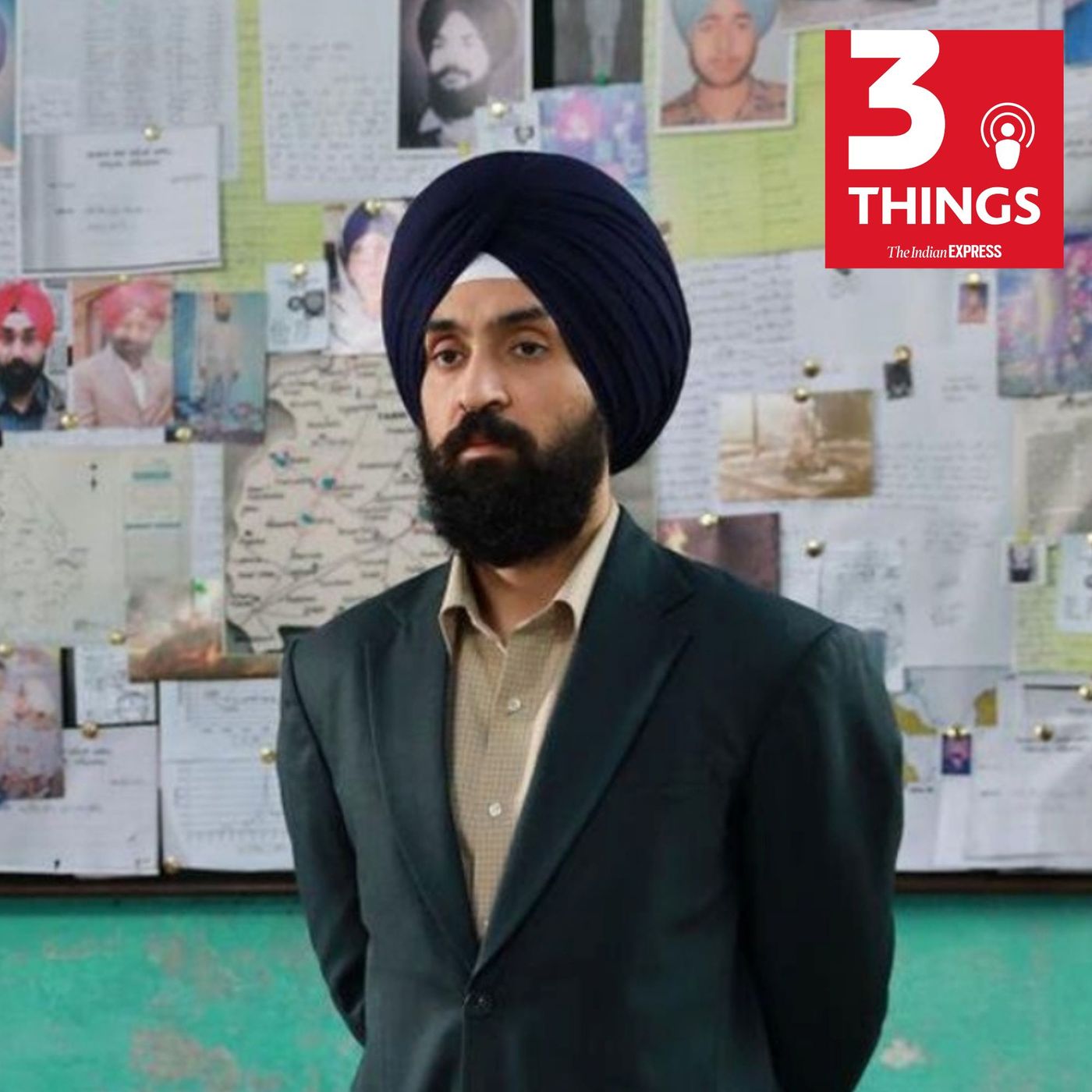
• Film’s Genesis and Premise: The film, initially titled “Sikhs: The Untold Story,” faced a nearly four-year wait for approval from India’s Central Board of Film Certification. It stars Diljit Dosanjh as Jaswant Singh Khalra, a human rights activist who documented alleged extrajudicial killings during the period of militancy in Punjab. Khalra himself was later killed in police custody.
• Khalra’s Investigation and Findings: Jaswant Singh Khalra’s work focused on documenting the alleged illegal cremations of thousands of unidentified bodies during the height of militancy in Punjab. His investigation estimated that around 25,000 people were secretly cremated, a statistic that became a central point of his activism and the film’s narrative.
• CBFC’s Censure and Film’s Initial Release: The Central Board of Film Certification initially demanded 127 cuts to the film. The filmmakers, after withdrawing their plea from the Bombay High Court, were able to release the film on the OTT platform ZEE5. However, it was quickly taken down just two days after its release.
• Government’s Justification for Removal: An inter-departmental committee, in deciding the film’s fate, cited “major security concerns” and stated that the film posed a threat to national security, sovereignty, and integrity, and could incite violence by providing fodder to hostile elements. This action was taken under Section 69A of the Information Technology Act.
• Challenges for Content Creators and the Broader Implications: The banning of “Sikhs: The Untold Story” raises significant questions about the government’s broad powers under Section 69A to block online content, particularly how it might be applied to other potentially sensitive material. This move is seen as a potential chilling effect on artistic expression and a curtailment of free speech, impacting not just films but potentially any online content deemed objectionable by the authorities.
• Historical Context of Militancy in Punjab: The discussion touches upon the turbulent period of militancy in Punjab, describing it as a dark era marked by curfews, fear, and widespread violence. It highlights the government’s actions during that time, including alleged extrajudicial killings and the subsequent efforts to control narratives surrounding the events.
💡 Key Insights & Memorable Moments
- The Power of Visuals and Narrative: The film’s focus on the human rights abuses during the Punjab militancy period, particularly the alleged extrajudicial killings and secret cremations, makes it a sensitive subject. As Shubhra Gupta notes, “the film is only about one individual… it doesn’t claim to be a film on Punjab militancy showing all its shades.”
- Censorship vs. Accountability: The episode highlights the tension between the state’s desire to maintain order and national security, and the public’s right to access information and hold power accountable. The banning of the film raises concerns about whether the government is using its powers to suppress critical narratives rather than merely ensuring public safety.
- The “Deep State” Concern: The discussion points to the existence of a “deep state” or a persistent bureaucratic apparatus that can influence government decisions on censorship, regardless of the ruling political party. This underlying structure, as suggested, may be inherently resistant to content that challenges official narratives.
- The “Chilling Effect”: The arbitrary removal of the film from ZEE5 creates a “chilling effect” on other content creators and platforms, making them hesitant to tackle controversial or historically sensitive topics for fear of similar repercussions. This can stifle creative freedom and limit the scope of public discourse.
- “Bullet for Bullet” Policy: The mention of the “bullet for bullet” policy enacted by the then-Director General of Police in Punjab, KPS Gill, during the militancy era, reveals a stark approach to counter-insurgency that prioritized eliminating militants over due process, leading to alleged human rights violations.
🎯 Way Forward
- Strengthen Legal Safeguards for Freedom of Speech: Advocate for clearer legal frameworks and robust judicial oversight to prevent the misuse of Section 69A of the IT Act and other censorship powers, ensuring that bans are based on demonstrable threats rather than subjective interpretations of national security.
- Promote Media Literacy and Critical Engagement: Encourage public engagement with diverse historical narratives and support critical thinking skills to help audiences discern fact from propaganda, thereby reducing the impact of state censorship on public perception.
- Foster Dialogue Between Government and Creative Industries: Establish open channels of communication between filmmakers, artists, and government bodies to address concerns proactively and find a balance between creative expression and public interest, avoiding blanket bans.
- Support Independent Platforms and Distributors: Encourage the growth of independent OTT platforms and distribution channels that can offer alternative spaces for films that may face censorship on mainstream platforms, ensuring a wider range of stories can reach the audience.
- Document and Preserve Sensitive Historical Narratives: Support filmmakers and historians in their efforts to research and document challenging historical periods, ensuring that such narratives are preserved and accessible for future generations, even in the face of censorship attempts.