
🎯 Core Theme & Purpose
This episode delves into the multifaceted political landscape of India, with a significant focus on the upcoming assembly elections in four states and one union territory. It offers a unique perspective by analyzing not only national and international geopolitical conflicts affecting India but also the micro-level political dynamics within specific states, particularly Tamil Nadu. The discussion is designed for political analysts, engaged citizens, and anyone seeking a nuanced understanding of the forces shaping Indian politics ahead of crucial electoral battles.
📋 Detailed Content Breakdown
• West Asia’s Escalating Conflict & India’s Repercussions: The discussion begins by acknowledging the intensifying conflict in West Asia involving the US, Israel, and Iran, and its ripple effects on India. This geopolitical tension adds a layer of complexity to India’s foreign policy considerations and domestic security. The episode highlights the interconnectedness of global events and their direct impact on the Indian subcontinent.
• Audit Flags Concerns in Bihar’s Welfare Schemes: A significant portion of the episode addresses a critical audit that has raised serious concerns regarding the implementation of two flagship welfare schemes in Bihar. The audit findings point to potential mismanagement and inefficiencies in critical areas of public service delivery. This segment underscores the importance of accountability and transparency in government programs.
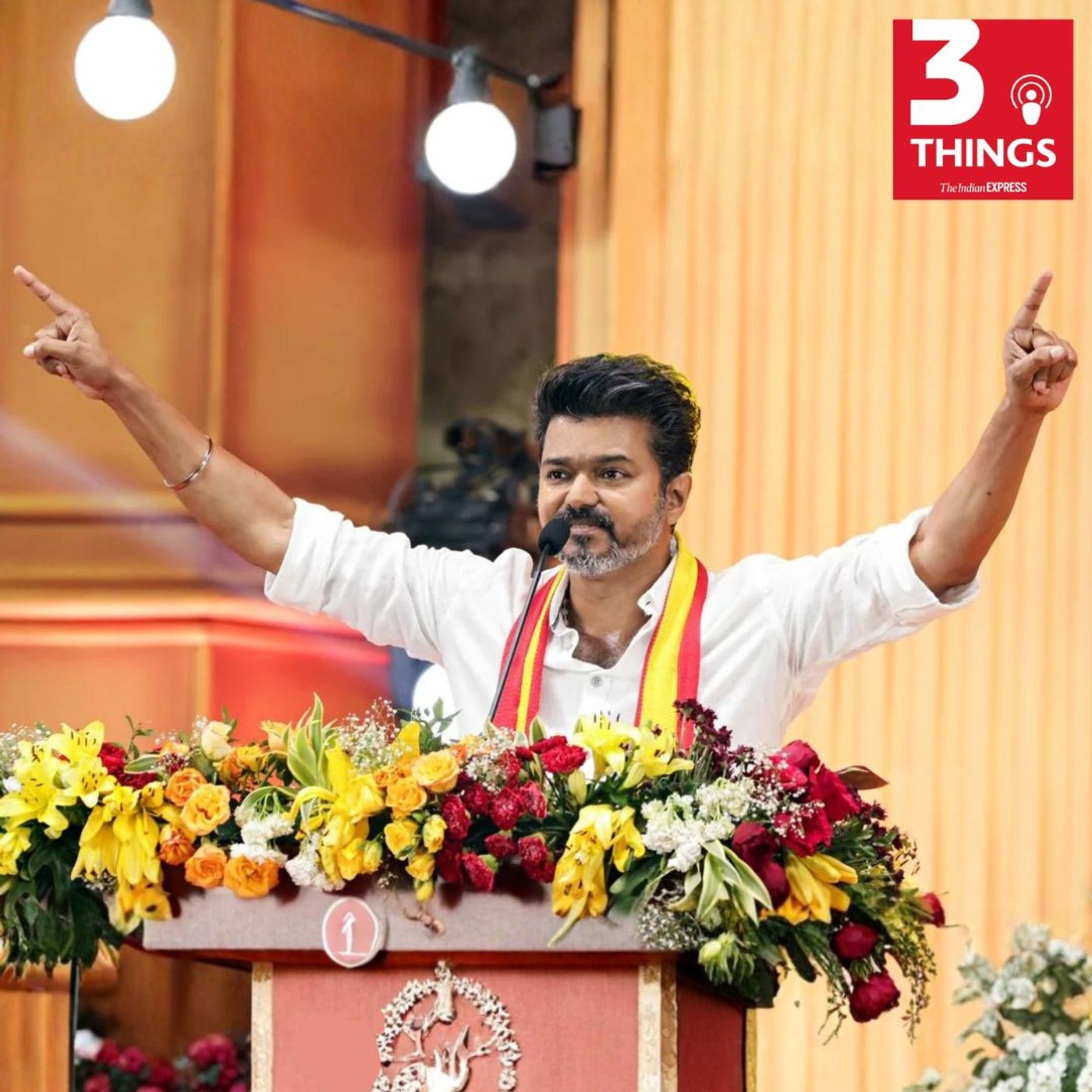
• Tamil Nadu’s Emerging Political Landscape with Actor Vijay’s Entry: The episode’s primary focus is on Tamil Nadu, where the entry of actor Vijay’s new party, Tamilaga Vettri Kazhagam (TVK), is creating structural disruption. Established parties like DMK and AIADMK are struggling to grapple with this new political variable. The entry of a popular film star signals a shift in the state’s political duopoly.
• Historical Dominance of Dravidian Parties in Tamil Nadu: The discussion revisits the historical political landscape of Tamil Nadu, emphasizing the long-standing dominance of the DMK and AIADMK parties since the 1960s. These two parties have traditionally controlled over 70-80% of the state’s vote share. This historical context highlights the significance of Vijay’s challenge to this established order.
• Challenging the Established Duopoly: The Appeal of New Entrants: The episode explores why established parties are taking Vijay’s new party seriously. It suggests a growing disillusionment with traditional politics and ideologies, creating a vacuum that new, charismatic figures can exploit. The perception that people vote for film stars in Tamil Nadu, combined with the erosion of trust in established parties, makes such entries potent.
• Demographic Appeal of Vijay’s Support Base: Survey data suggests that Vijay’s core support base comprises men in their late twenties and women in their mid-thirties to mid-forties. This demographic is seen as the “youth of Tamil Nadu” who may be seeking a new face of leadership. The campaign’s success hinges on mobilizing this segment effectively.
• The Stambeed Incident and its Political Significance: The ‘stampede’ incident at Vijay’s rally in Karu is highlighted as a defining moment. Unlike conventional political rallies, where attendees arrive late and leave early, Vijay’s supporters demonstrate immense dedication, arriving hours in advance. This behavior signifies a deep emotional connect, more akin to fan following than traditional political engagement, which poses a unique challenge for established parties.
• Critique of Welfare Schemes in Bihar: The audit of Ayushman Bharat and Pradhan Mantri Awas Yojana Gramin in Bihar revealed significant shortcomings. Key issues include a low verification rate of beneficiaries, substantial unspent balances, and a lack of investment in crucial aspects like awareness campaigns and IT infrastructure. Hospital accreditation and claim processing also faced considerable delays and rejections, impacting the effective delivery of these vital schemes.
• India’s Stance on the Israel-Iran Conflict and Protests: The episode examines India’s diplomatic approach to the escalating Israel-Iran conflict, noting a general stance of caution and calls for de-escalation. Simultaneously, it addresses the strong reactions within India, including protests by the Shia and Sunni communities, particularly in regions like Kashmir, Delhi, and Lucknow. These protests reflect a complex interplay of religious solidarity, geopolitical concerns, and a critique of perceived Western influence.
• Rahul Gandhi’s Critique of Government’s Foreign Policy Response: The opposition, notably Rahul Gandhi, has questioned the government’s perceived silence and diplomatic ambiguity on the escalating West Asian conflict. This criticism highlights concerns about India’s strategic positioning and its alignment in a rapidly shifting geopolitical landscape. The Congress party is advocating for a clearer, more assertive foreign policy stance.
💡 Key Insights & Memorable Moments
• Iran’s Influence and Shia Diaspora: Hameed’s influence extends beyond Iran, deeply resonating with the Shia diaspora globally, including in India. His position is likened to that of the Pope for Catholics, signifying a profound religious and cultural connection that transcends national borders.
• Tamil Nadu’s Evolving Political Narrative: The entry of Vijay’s party in Tamil Nadu signals a potential shift from a purely ideological or party-based political landscape to one influenced by star power and emotional connect. This challenges the traditional DMK-AIADMK duopoly and suggests a changing voter dynamic.
• The “Fandom” Factor in Politics: The intense dedication of Vijay’s supporters, who arrive hours before rallies and eagerly seek proximity to the star, indicates that political engagement is increasingly driven by emotional appeal and a desire for connection, rather than solely policy discussions. As noted, “They didn’t come to listen to the speech, they have come to see him.”
• Welfare Scheme Implementation Gaps in Bihar: The audit report on key welfare schemes in Bihar reveals a stark disconnect between sanctioned projects and actual completion and benefit realization. Issues like large unspent funds, non-functional facilities, and payment delays highlight systemic inefficiencies and potential corruption that require urgent attention.
🎯 Way Forward
-
Strengthen Audit Mechanisms and Accountability: The critical audit findings in Bihar necessitate a robust system for ensuring that funds allocated for welfare schemes are utilized effectively and reach intended beneficiaries. Implementing stricter oversight and accountability measures is crucial to prevent wastage and corruption.
- Why it matters: Ensures public funds are used for their intended purpose, improving service delivery and public trust.
-
Address the Emotional Connect in Politics: Political parties, especially established ones, need to understand and adapt to the growing importance of emotional appeal and connection in politics. Strategies focusing solely on traditional campaigning may become less effective against charismatic new entrants.
- Why it matters: Helps in understanding evolving voter behavior and formulating more effective engagement strategies.
-
Enhance Transparency and Efficiency in Welfare Programs: The large unspent balances and delays in claim processing for schemes like Ayushman Bharat point to a need for streamlining administrative processes. Improving transparency in fund utilization and claim settlement will enhance the efficacy of these vital social safety nets.
- Why it matters: Ensures timely access to healthcare and housing benefits for vulnerable populations, fulfilling the government’s social contract.
-
Develop Proactive Geopolitical Strategy for India: The escalating West Asian conflict underscores the need for India to refine its foreign policy to navigate complex international relations. A clear and proactive strategy is essential to protect national interests, ensure economic stability, and maintain regional peace.
- Why it matters: Protects India’s economic interests (e.g., oil supply, diaspora safety) and enhances its global standing.
-
Address Root Causes of Political Disillusionment: The rise of non-traditional political actors and the appeal of fan-following-driven politics suggest a deeper disillusionment with the existing political establishment. Addressing governance issues, corruption, and improving public service delivery are crucial to rebuilding trust and strengthening democratic institutions.
- Why it matters: Fosters a healthier democratic ecosystem and ensures responsive governance.