
🎯 Core Theme & Purpose
This episode delves into critical geopolitical and economic issues, focusing on the Quad alliance’s strategic shifts away from China, the operational challenges faced by a major European visa processing company, and the political landscape in Tamil Nadu. It offers valuable insights for those interested in international relations, geopolitical strategy, global trade, and South Asian politics, providing a detailed analysis of emerging trends and potential future implications.
📋 Detailed Content Breakdown
-
Quad’s Strategic Realignment Against China: The Quad nations are intensifying efforts to reduce reliance on China for critical minerals and strengthen their influence in the Indo-Pacific. This includes new initiatives in maritime surveillance, energy security, and critical mineral supply chains, aiming to counter Beijing’s growing assertiveness. The alliance is also raising concerns about destabilizing actions in the South and East China Seas.
-
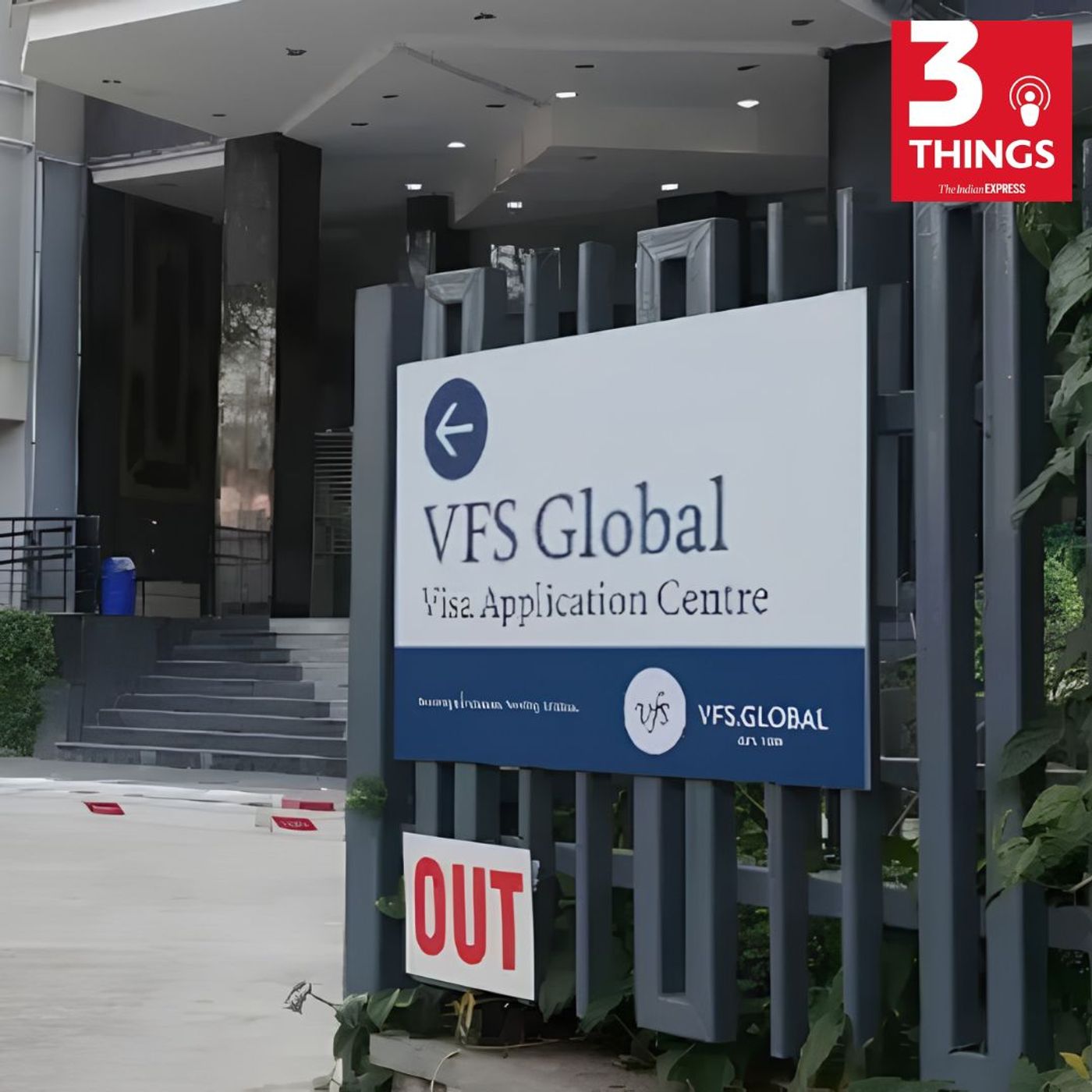
Investigation into VFS Global’s Operations: A significant portion of the episode scrutinizes VFS Global, a major visa processing company for European countries. Reports highlight concerns regarding data protection, privacy, and operational practices, including the sale of value-added services presented as mandatory and the improper storage of biometric data on unencrypted CDs. This investigation raises questions about the company’s business model and its impact on applicants.
-
VFS Global’s Revenue Model and Value-Added Services: The analysis reveals that VFS Global aggressively pushes value-added services, which are often presented as optional but effectively become part of the overall visa fee. These services, such as premium lounges and courier services, contribute significantly to VFS Global’s revenue and profits, leading to a substantial increase in their overall profitability compared to revenue growth.
-
Data Security and Privacy Concerns at VFS Global: Investigations uncovered instances of biometric data being saved on unencrypted CDs and passports being found at VFS centers, raising serious data security and privacy red flags. The proximity of application counters, separated only by low dividers, also suggests conversations with VFS staff may not be entirely private, impacting applicant trust.
-
The Quad’s Push for Port Infrastructure and Maritime Security: As part of its strategy to counter China, the Quad is emphasizing the development of critical port infrastructure in the Indo-Pacific. This initiative aims to enhance maritime surveillance capabilities, ensure energy security, and bolster regional resilience against disruptions. The focus on port development signifies a long-term commitment to shaping the region’s strategic landscape.
-
Annamalai’s Departure from Tamil Nadu BJP: K. Annamalai, the former BJP president in Tamil Nadu, has resigned, marking a significant development that could reshape the state’s political dynamics. His decision stems from a desire for autonomy that clashed with the party’s traditional framework, and his potential future moves, whether forming a new party or joining another alliance, will be closely watched.
💡 Key Insights & Memorable Moments
-
VFS Global’s Profit Maximization: The detailed breakdown of VFS Global’s operations reveals a business model heavily reliant on the sale of value-added services, effectively blurring the lines between optional and mandatory fees. This insight highlights how companies can leverage essential services to significantly boost profitability.
-
India’s Unique Position within the Quad: India’s role in the Quad is distinguished by its direct land border dispute with China, making its participation particularly crucial. This shared border creates a distinct threat perception and necessitates India’s strong engagement in regional security initiatives.
-
“Visa Shopping” as a Concern: Several European countries have flagged “visa shopping” as a problematic practice, where individuals apply for visas from one country with the intention of traveling to another. This highlights a loophole that exploits the Schengen visa system and points to a need for better coordination among member states.
-
“The leader begins to outgrow the room he once walked into”: This powerful analogy, attributed to an RSS leader, encapsulates the situation of K. Annamalai’s departure, suggesting he has outgrown his current political space and is seeking new avenues for his political ambitions.
🎯 Way Forward
- Enhanced Oversight of Visa Processing Agencies: International bodies and national governments must implement stricter regulations and independent oversight mechanisms for visa processing agencies like VFS Global to ensure data privacy, security, and transparent fee structures. This is crucial to protect applicants and maintain public trust.
- Diversification of Critical Mineral Supply Chains: Nations should accelerate efforts to reduce dependence on single sources for critical minerals, fostering strategic alliances and investing in domestic extraction and processing capabilities. This will enhance economic security and reduce geopolitical leverage.
- Strengthening Indo-Pacific Maritime Cooperation: The Quad should continue to deepen its collaborative efforts in maritime domain awareness and security, fostering interoperability and information sharing to counter illicit activities and maintain freedom of navigation. This is vital for regional stability.
- Political Agility and Strategic Alliances in India: Political leaders seeking to make an impact, like K. Annamalai, must navigate evolving political landscapes and form strategic alliances that align with their core messaging and regional aspirations. Adaptability will be key to success in India’s dynamic political arena.
- Addressing the Geopolitical Impact of Energy Security: Governments must prioritize diversified energy sources and robust infrastructure to mitigate the risks associated with geopolitical disruptions, particularly in light of ongoing tensions like the Strait of Hormuz situation. This will ensure economic stability and national security.