
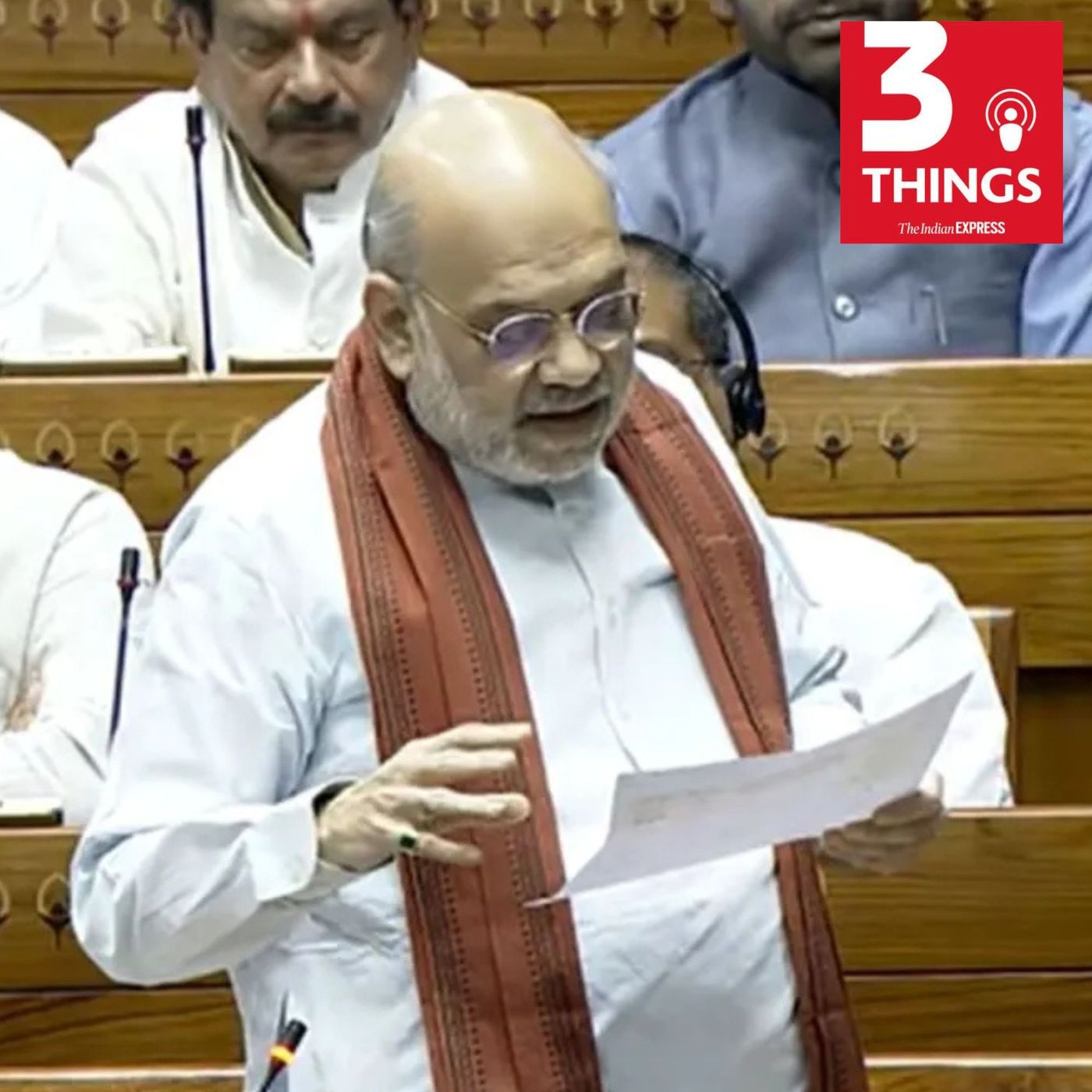
🎯 Core Theme & Purpose
This episode of “Three Things” by The Indian Express delves into the recent proposal to grant legal status to “Vande Mataram,” mirroring protections afforded to the national anthem, “Jana Gana Mana.” It critically examines the historical context, legal distinctions, and potential implications of this move. The discussion is essential for citizens interested in national symbols, constitutional law, and the intersection of politics and patriotism in India.
📋 Detailed Content Breakdown
• Legal Status of National Songs: The episode highlights the legal distinction between the national anthem, “Jana Gana Mana,” which has specific protections under the Prevention of Insults to National Honour Act, 1971, and the national song, “Vande Mataram.” The proposed amendment aims to extend similar legal protections to “Vande Mataram,” criminalizing intentional obstruction or disturbance of its singing. This aims to elevate its status and ensure respect, though its current constitutional standing differs from the anthem.
• Historical Context of “Vande Mataram”: The discussion traces the origin of “Vande Mataram” to Bankim Chandra Chattopadhyay’s novel “Anandamath” in 1875. It notes that while the first two stanzas, focusing on the beauty of the motherland, are widely known, the complete song includes other stanzas with religious undertones, describing the motherland as various deities. This historical nuance is presented as a backdrop to its later adoption and controversies.
• Political and Social Considerations: The episode touches upon the Indian National Congress’s efforts in the 1930s to garner Muslim support for the freedom struggle. It explains the decision to use only the first two stanzas of “Vande Mataram” to avoid alienating the Muslim community, who had reservations about its religious connotations. The subsequent decision to adopt “Jana Gana Mana” as the national anthem, favored for its orchestration potential, is also discussed.
• The “Vande Mataram” Amendment Bill: The core of the discussion revolves around the impending amendment to the Prevention of Insults to National Honour Act, 1971. This amendment would make it a criminal offense to intentionally prevent the singing of “Vande Mataram” or cause a disturbance during its rendition. The proposed penalty includes imprisonment up to three years or a fine, or both, effectively placing it on par with the national anthem in terms of legal protection against insult.
• Distinction Between Anthem and Song: A significant portion of the episode clarifies the different legal and ceremonial treatments of “Jana Gana Mana” and “Vande Mataram.” While the anthem is deeply integrated into military protocols and is easier to orchestrate, “Vande Mataram” is primarily associated with civil observances. The Supreme Court’s ruling in the Bijoe Emmanuel case is cited, emphasizing that while respecting the anthem is a fundamental duty, forcing citizens to sing it or penalizing silence violates fundamental rights to freedom of speech and religion.
• Allegations of Misappropriation at Vaishno Devi: Separately, the episode addresses allegations concerning the misappropriation of silver offerings at the Vaishno Devi Temple. Investigations revealed that a significant portion of the donated silver (around 94-95%) was not pure silver but comprised of base metals like cadmium and iron. This sparked a legal investigation into potential fraud and mismanagement of devotees’ offerings, highlighting a concern about financial probity in religious institutions.
• Government Stance on NEET Controversy: The episode concludes by noting the government’s firm stance against demands for the resignation of the Education Minister, Dharmendra Pradhan, following the NEET paper leak. Officials stated that the lapses have been addressed, and the focus is on ensuring a smooth academic session. They indicated that while dialogue is open, the resignation demand is seen as politically motivated, and administrative measures are being taken to rectify the situation.
💡 Key Insights & Memorable Moments
- “The Prevention of Insults to National Honour Act, 1971, provides a legal framework for the national anthem, but ‘Vande Mataram’ doesn’t have the same explicit constitutional backing.”
- The historical context reveals that “Vande Mataram” was initially controversial due to its religious undertones, leading to the adoption of only its first two stanzas for nationalistic purposes and eventually the selection of “Jana Gana Mana” as the national anthem.
- The Vaishno Devi silver controversy highlights a potential systemic issue where a vast majority of silver offerings might not be pure, raising questions about the transparency and accountability of temple administration.
- The government’s assertion that “administrative measures are being taken to rectify the situation” regarding the NEET paper leak, rather than offering a resignation, signals a strategy to focus on solutions over accountability for individuals.
🎯 Way Forward
- Establish Clearer Legal Frameworks for National Symbols: The proposed amendment for “Vande Mataram” underscores the need for a comprehensive and clear legal framework that defines the respect due to national symbols, differentiating their legal standing and ceremonial use without infringing on fundamental rights.
- Enhance Transparency in Religious Institutions: The Vaishno Devi silver incident emphasizes the urgent need for robust auditing mechanisms and greater transparency in how religious institutions handle donations, particularly those involving precious metals, to prevent potential fraud and maintain public trust.
- Prioritize Remediation Over Resignation in Crisis Management: The government’s stance on the NEET controversy suggests a strategic approach to focus on fixing systemic issues rather than succumbing to political pressure for individual resignations, a model that could be adopted for future crises.
- Foster Deliberative Dialogue on National Symbols: Moving forward, open and informed discussions are needed to navigate the complex interplay between patriotism, religious freedom, and national identity, ensuring that national symbols unite rather than divide the populace.
- Strengthen Oversight of Educational Entrance Exams: Given the recurring issues with national entrance exams like NEET, a multi-pronged approach involving enhanced security, independent oversight committees, and swift, transparent action against malpractices is crucial to ensure fairness and maintain public confidence.