
🎯 Core Theme & Purpose
This episode of “Three Things” by The Indian Express delves into the escalating geopolitical tensions between Iran and Israel, triggered by an alleged Israeli attack on Iranian diplomatic facilities in Damascus. It also examines the complexities of India’s diplomatic and economic relations with countries involved in the conflict, particularly concerning energy security and the safety of its citizens. The discussion is highly relevant for individuals seeking a nuanced understanding of the Middle East’s current dynamics and India’s foreign policy challenges.
📋 Detailed Content Breakdown
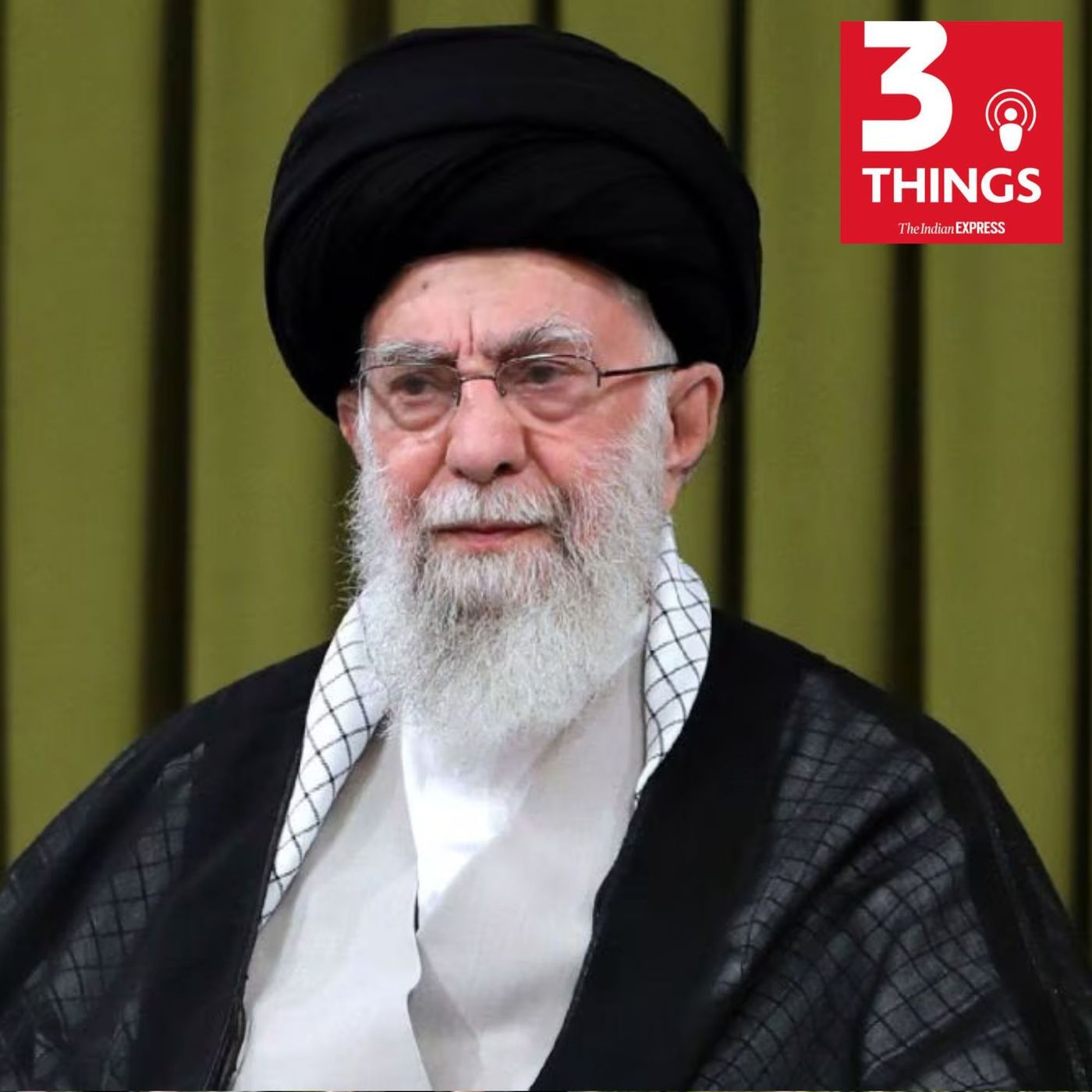
• Iran-Israel Escalation and Retaliation: The episode begins by detailing the air and missile strikes launched by Israel and the US in Tehran, which reportedly killed Ali Khamenei, the Iranian Supreme Leader. It highlights that these strikes were part of a broader aerial assault targeting Iranian centers of military and political power, resulting in casualties among senior Iranian officials. Iran’s subsequent retaliation involved targeting US bases in at least six countries, demonstrating a significant regional escalation.
• The Death of Ali Khamenei and Internal Iranian Politics: The assassination of Ali Khamenei, described as the “father of the revolution” and the “leader of the Shiite minority,” is presented as a pivotal event. The podcast explains the shift in Iranian governance, with Ali Khamenei (the president) becoming the number two figure after the Supreme Leader, Ruhollah Khomeini, following the 1979 revolution. The death of Khamenei signifies a power vacuum and potential internal instability within Iran.
• India’s Balancing Act: Energy Security and Citizen Safety: The discussion highlights India’s reliance on Iran for approximately 60% of its energy imports, including oil and LPG, primarily through the Strait of Hormuz. The geopolitical instability poses a significant threat to India’s energy security, as any disruption in supply could lead to increased crude oil prices and inflation. The safety and security of the estimated 9 million Indian diaspora in the Middle East are also a major concern for the Indian government.
• The Complexities of the Nuclear Deal Negotiations: The episode touches upon the ongoing negotiations surrounding Iran’s nuclear program, emphasizing the starkly contrasting positions of the US, Israel, and Iran. While the US and Israel perceive Iran’s nuclear ambitions as an existential threat, Iran maintains that its program is for peaceful purposes. The breakdown of previous deals and the current impasse underscore the deep mistrust and diplomatic challenges involved.
• Sujit’s Report on the Odisha Farmer’s Death: A significant portion of the episode focuses on the tragic death of Trilochan Nayak, a farmer in Odisha, allegedly due to harassment by the cooperative society and mill owners. The narrative details Nayak’s struggle to sell his paddy, the bureaucratic hurdles, and the alleged neglect he faced, highlighting systemic failures in the state’s agricultural procurement system. The family’s complaint against officials underscores the need for accountability and improved farmer support mechanisms.
• The Role of Middlemen and Systemic Flaws in Agriculture: The Odisha farmer’s death case brings to light the exploitative practices of middlemen and the inefficiencies within the P-Pass system. The explanation of how farmers are expected to register with cooperative societies, obtain tokens, and then wait for weeks for procurement reveals a deeply flawed system. The lack of basic facilities like shelter and water at procurement centers further exacerbates the farmers’ plight, leading to such tragic outcomes.
💡 Key Insights & Memorable Moments
• The death of Ali Khamenei is framed not just as an assassination but as the elimination of the “father of the revolution” and the “leader of the Shiite minority,” indicating a profound shift in Iran’s internal power dynamics.
• The episode emphasizes that for India, the geopolitical conflict is not just about regional stability but also critically about energy security, with estimates suggesting a $1 billion rise in crude oil prices for every $1 increase in oil prices.
• Sujit’s personal account of Trilochan Nayak’s ordeal highlights a systemic failure in Odisha’s agricultural procurement, where a farmer died after struggling for 40 days to sell his paddy due to bureaucratic red tape and alleged harassment.
• The stark contrast between the “farmer protest” in Odisha and the official narrative from the district collector and the cooperative minister reveals a deeper disconnect and a need for greater accountability in addressing farmer grievances.
• A powerful, albeit grim, insight is that the farmer’s death, attributed to cardiac arrest following alleged harassment and distress, underscores the vulnerability of the farming community and the potential life-threatening consequences of systemic inefficiencies.
🎯 Way Forward
- Strengthen Farmer Support Systems in Odisha: Implement immediate reforms in the paddy procurement process to streamline token systems, ensure adequate shelter and facilities at mandis, and establish a robust grievance redressal mechanism to prevent future tragedies like Trilochan Nayak’s.
- Diversify India’s Energy Sources: Accelerate efforts to diversify India’s energy imports beyond the Strait of Hormuz and explore alternative energy sources to mitigate risks associated with geopolitical instability in the Middle East.
- Enhance Diplomatic Engagement with Middle Eastern Nations: Actively engage with all parties involved in the Iran-Israel conflict to ensure the safety and security of the Indian diaspora and to advocate for de-escalation and regional stability.
- Promote Transparency and Accountability in Procurement: Ensure transparency in the P-Pass system and hold cooperative societies and mill owners accountable for any exploitative practices or mismanagement that harm farmers.
- Foster Dialogue on India-Canada Relations: Continue diplomatic efforts to mend ties with Canada, focusing on constructive dialogue and cooperation in areas of mutual interest, while addressing underlying security concerns.