
🎯 Core Theme & Purpose
This podcast episode delves into the escalating geopolitical tensions surrounding Iran’s military actions and the global ramifications of potential conflict. It explores the intricate web of international responses, from US and UK military strategies to European diplomatic efforts and the impact on global markets. The discussion is crucial for anyone seeking to understand the complex dynamics of the current Middle East crisis and its far-reaching economic and security implications.
📋 Detailed Content Breakdown
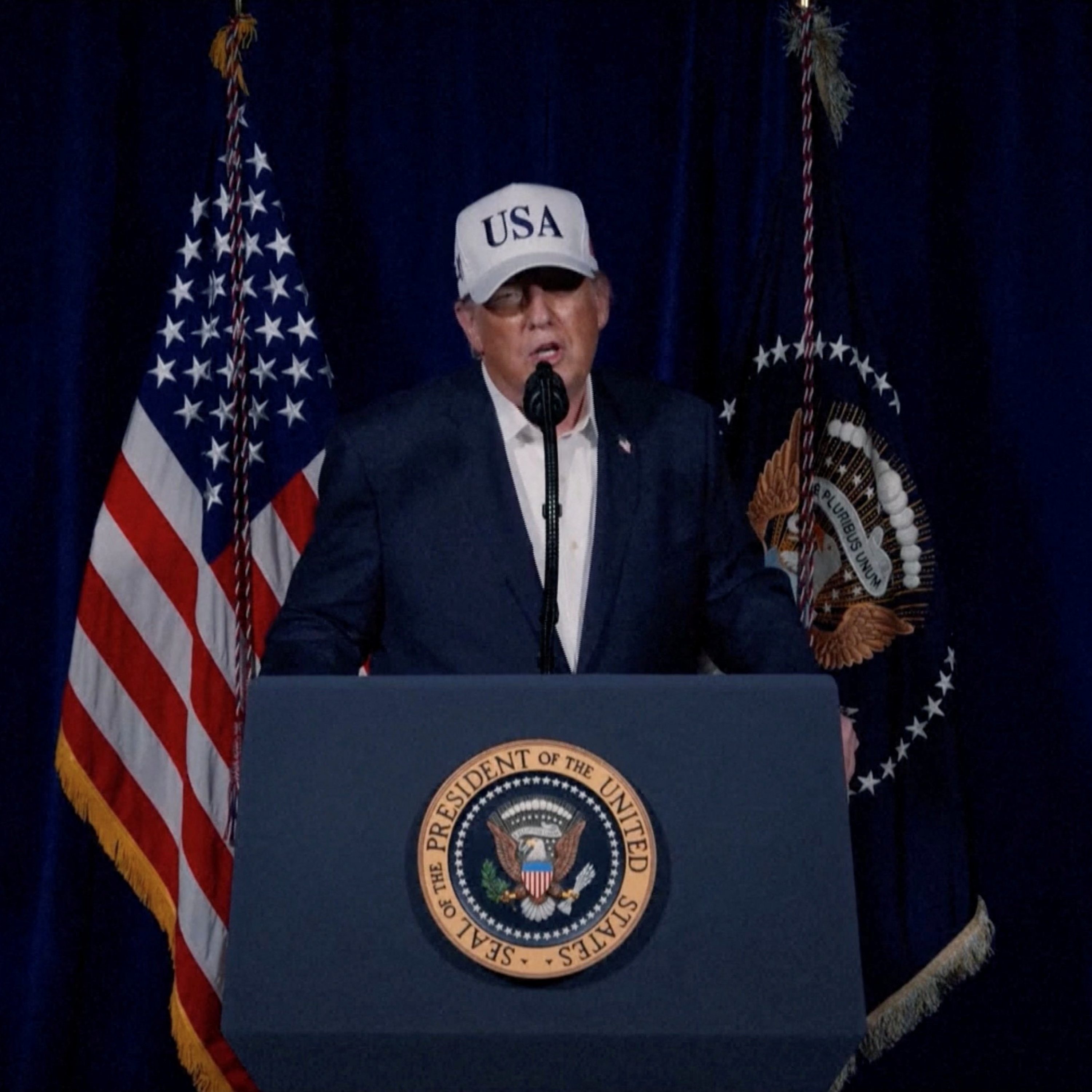
• Escalating Conflict and International Response: The episode highlights the US and Israeli military strikes on Iran and the subsequent Iranian retaliatory actions, including missile and drone attacks. It notes the US acknowledgment of military casualties and President Trump’s warnings of further potential losses, emphasizing the seriousness of the situation. The UK’s decision to allow US forces to use British bases for defensive strikes marks a significant shift in international cooperation.
• Geopolitical Strategy and Diplomatic Maneuvers: The podcast details the strategic considerations behind the US military actions, with President Trump justifying them as necessary to prevent Iran from developing nuclear weapons and posing a threat to the US and Israel. It also touches upon the diplomatic efforts being made, with discussions involving European allies and potential negotiations with Iran. The controversy surrounding the legality and necessity of these strikes is also mentioned.
• Impact on Global Markets and Trade Routes: The conflict’s economic consequences are a major focus, with oil prices surging due to the threat to vital shipping lanes like the Strait of Hormuz. The potential disruption to global trade, particularly for oil-dependent Asian economies, is highlighted. The episode explains how Iran’s threat to tankers and the closure of airspaces in major Middle Eastern hubs create significant economic uncertainty.
• Intelligence and Operational Execution: The discussion reveals the sophisticated intelligence gathering that enabled the targeted strikes, suggesting a deep understanding of Iranian military infrastructure and leadership movements. The effectiveness of these intelligence operations is presented as a key factor in the successful execution of the attacks. The prolonged nature of the conflict and the challenges in achieving immediate objectives are also noted.
• Internal Iranian Dynamics and Public Reaction: The podcast briefly touches upon the Iranian government’s response, including the suppression of internal dissent and the impact of sanctions. One Iranian woman interviewed expresses complex feelings, relief at the death of Ayatollah Khomeini but also anxiety about the ongoing instability and lack of internet access. The potential for further internal unrest and the government’s efforts to control information are implied.
• European Stance and International Law: The joint statement from the UK, France, and Germany condemns Iran’s actions as indiscriminate and disproportionate, emphasizing a commitment to working with the US to de-escalate the situation. The UK’s revised stance on allowing base usage for defensive purposes is framed as an evolution of policy rather than a complete reversal, driven by perceived threats to British citizens and allies. The episode underscores the delicate balance between supporting allies and adhering to international legal norms.
💡 Key Insights & Memorable Moments
- The role of advanced intelligence: The precision of the strikes, targeting specific individuals and locations, points to an unprecedented level of intelligence gathering and analysis, likely involving human sources, signals intelligence, and cyber operations.
- The economic vulnerability of global trade: The episode vividly illustrates how geopolitical conflict in a key region can have immediate and significant global economic repercussions, particularly on vital resources like oil.
- The shifting alliances and defensive posture: The UK’s revised policy of allowing US bases for “defensive strikes” signifies a subtle but important recalibration of international cooperation in the face of perceived Iranian aggression, balancing allied support with cautious distancing from offensive operations.
- The lingering impact of past conflicts: The reference to the “mistakes of the Iraq War” by Kier Starmer highlights the historical context and the cautionary lessons learned that influence current British foreign policy decisions.
- “A window of opportunity”: The explanation that the strikes were likely timed based on intelligence about the Supreme Leader’s movements suggests a strategic, opportunity-driven approach rather than a purely reactive one.
🎯 Way Forward
- Develop robust multi-layered intelligence fusion: Enhance capabilities to integrate diverse intelligence streams (human, signals, cyber, open-source) to gain predictive insights into adversary movements and intentions. Why it matters: Enables more precise and timely strategic decision-making, minimizing collateral damage and maximizing operational effectiveness.
- Strengthen international cyber-defense cooperation: Establish joint task forces and information-sharing protocols among allied nations to counter state-sponsored cyber threats and protect critical infrastructure, including trade routes and financial systems. Why it matters: The interconnectedness of global systems makes cyber resilience a shared imperative for economic stability and national security.
- Invest in diversified energy supply chains: Urgently explore and invest in alternative energy sources and diverse geographical supply routes to mitigate the economic impact of disruptions in key energy-producing regions. Why it matters: Reduces global vulnerability to price shocks and supply interruptions, promoting greater energy independence and economic resilience.
- Prioritize diplomatic de-escalation through clear communication: Establish clear channels for communication with adversaries, backed by credible deterrence, to prevent miscalculation and create space for negotiated solutions. Why it matters: Minimizes the risk of unintended escalation and opens pathways for resolving underlying political grievances peacefully.
- Enhance public diplomacy and counter-disinformation campaigns: Proactively communicate the strategic rationale behind geopolitical actions and counter adversarial propaganda to shape international narratives and maintain public support. Why it matters: Builds domestic and international consensus, crucial for sustaining long-term policy objectives and preventing hostile narratives from gaining traction.