
🎯 Core Theme & Purpose
This episode of BBC World Service’s Global News Podcast provides a critical overview of international geopolitical tensions and societal issues. It highlights the escalating conflict in the Strait of Hormuz, the ongoing challenges faced by journalists globally, and the internal struggles within Iran. Listeners seeking a concise update on pressing global affairs, particularly those interested in international relations, press freedom, and human rights, will find this episode informative.
📋 Detailed Content Breakdown
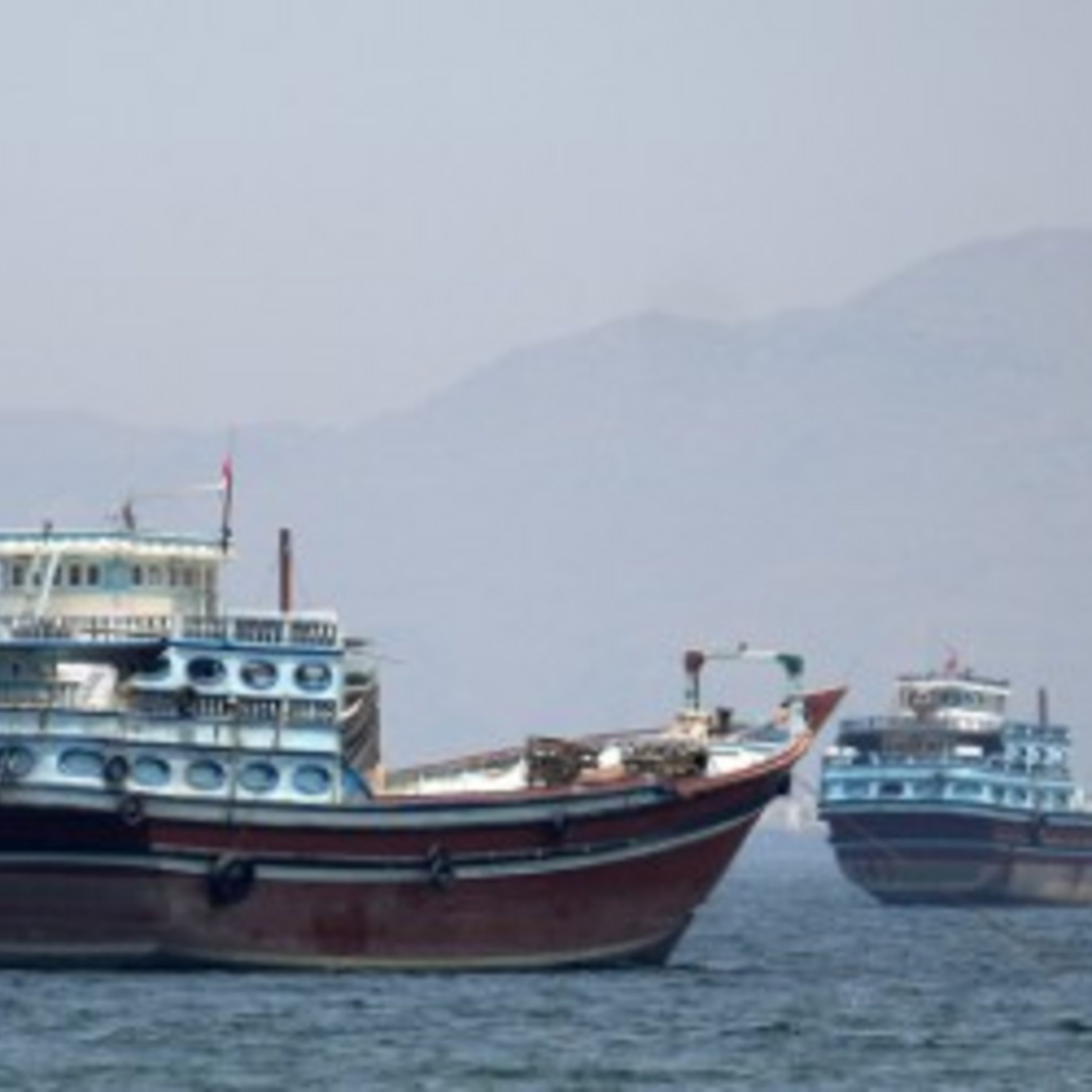
• Strait of Hormuz Tensions: The US plans to deploy naval destroyers, aircraft, and troops to the Strait of Hormuz to assert freedom of navigation, a move that has escalated tensions with Iran. Iran has warned that any interference could end the ceasefire, illustrating a precarious geopolitical standoff with potential global economic repercussions.
• Press Freedom Under Threat: World Press Freedom Day is marked by a somber report indicating that press freedom is at its lowest in 25 years, with over half the world living in restrictive environments. Established journalism is being stifled by growing authoritarian pressure and deliberate targeting, as highlighted by numerous arrests and executions of journalists in Iran and elsewhere.
• Internal Repression in Iran: Despite international focus on geopolitical conflicts, the Iranian regime is reportedly intensifying its internal crackdown. This includes widespread arrests, torture, and executions of protestors, with the war potentially serving to further entrench the regime’s control. Human rights groups and sources within Iran express deep-seated fear and a sense of living on borrowed time.
• Colombia’s Electoral Violence: Ahead of its presidential election, Colombia is experiencing a surge in violence, with four people killed in a single incident in Cucuta near the Venezuelan border. This violence is seen as potentially linked to the upcoming elections, with criminal and insurgent groups using it to assert power and influence the political landscape.
• US Abortion Pill Access Debate: A pharmaceutical manufacturer has asked the US Supreme Court to allow postal delivery of abortion pills, following a lower court ruling that restricted access. This decision impacts access nationwide, including in states where abortion is already banned, creating significant hurdles for individuals seeking reproductive healthcare, especially in rural areas or those with limited mobility.
💡 Key Insights & Memorable Moments
• Counterintuitive Entrenchment: The war in Iran, rather than weakening the regime, appears to be entrenching its control by providing a pretext for increased internal repression and the silencing of dissent. • Journalism as a Target: The report on press freedom underscores a disturbing trend where journalistic activity is not just restricted but actively targeted, demonstrating the high personal risk journalists face in many parts of the world. • The Paradox of Peace Efforts: While diplomatic channels are being explored in the Strait of Hormuz conflict, the US initiative to ensure freedom of navigation, coupled with Iran’s response, highlights the complex and often contradictory nature of international peace efforts. • “Mifepristone is safe”: Despite legal restrictions, reproductive rights advocates emphasize that medical evidence confirms the safety and efficacy of mifepristone, framing the current debates as driven by political agendas rather than public health concerns. • “We need to see those indictments acted upon”: This quote highlights the frustration and urgency surrounding international accountability for war crimes, suggesting that a lack of action emboldens perpetrators and further endangers vulnerable groups, including journalists.
🎯 Way Forward
- Strengthen International Press Freedom Protections: Advocate for and enforce stronger international laws and mechanisms to protect journalists, including holding perpetrators of violence against them accountable through international criminal courts. This matters to ensure a free and informed global populace.
- Promote Diplomatic De-escalation in the Strait of Hormuz: Prioritize sustained diplomatic engagement and de-escalation strategies to prevent military conflict in the Strait of Hormuz, given its critical role in global energy markets. This matters to maintain stability and prevent economic disruption.
- Support Civil Society and Human Rights in Iran: Increase international support for human rights organizations and civil society groups within Iran, empowering them to advocate for fundamental freedoms and hold the regime accountable for its actions. This matters for fostering democratic change and protecting human dignity.
- Ensure Equitable Access to Reproductive Healthcare: Continue legal and advocacy efforts to ensure equitable access to reproductive healthcare, including medication abortion, challenging restrictive laws and ensuring that essential medical services are not politicized. This matters for individual autonomy and public health.
- Address Root Causes of Violence in Colombia: Implement comprehensive strategies that address the underlying socio-economic factors, drug trafficking, and organized crime fueling violence in Colombia, alongside efforts to ensure fair and secure elections. This matters for fostering lasting peace and democratic stability.