
🎯 Core Theme & Purpose
This episode delves into the escalating geopolitical tensions in the Middle East, focusing on the Iran-US-Israel conflict and its global ramifications. It dissects the strategic implications of recent attacks, potential escalations, and the broader impact on energy security and regional stability. The discussion is crucial for policymakers, defense analysts, and anyone seeking a comprehensive understanding of the volatile West Asian landscape.
📋 Detailed Content Breakdown
• Iran-US-Israel Conflict Escalation: The discussion highlights that the West Asia crisis is in its fifth week with no clear end in sight. Recent US actions have targeted Iran’s military leadership, ballistic missile capabilities, and even civilian infrastructure, including universities and key organizations. Iran has retaliated with counterattacks on Israeli and US military facilities in the Gulf region, impacting energy infrastructure and leading to fears of wider regional conflict.
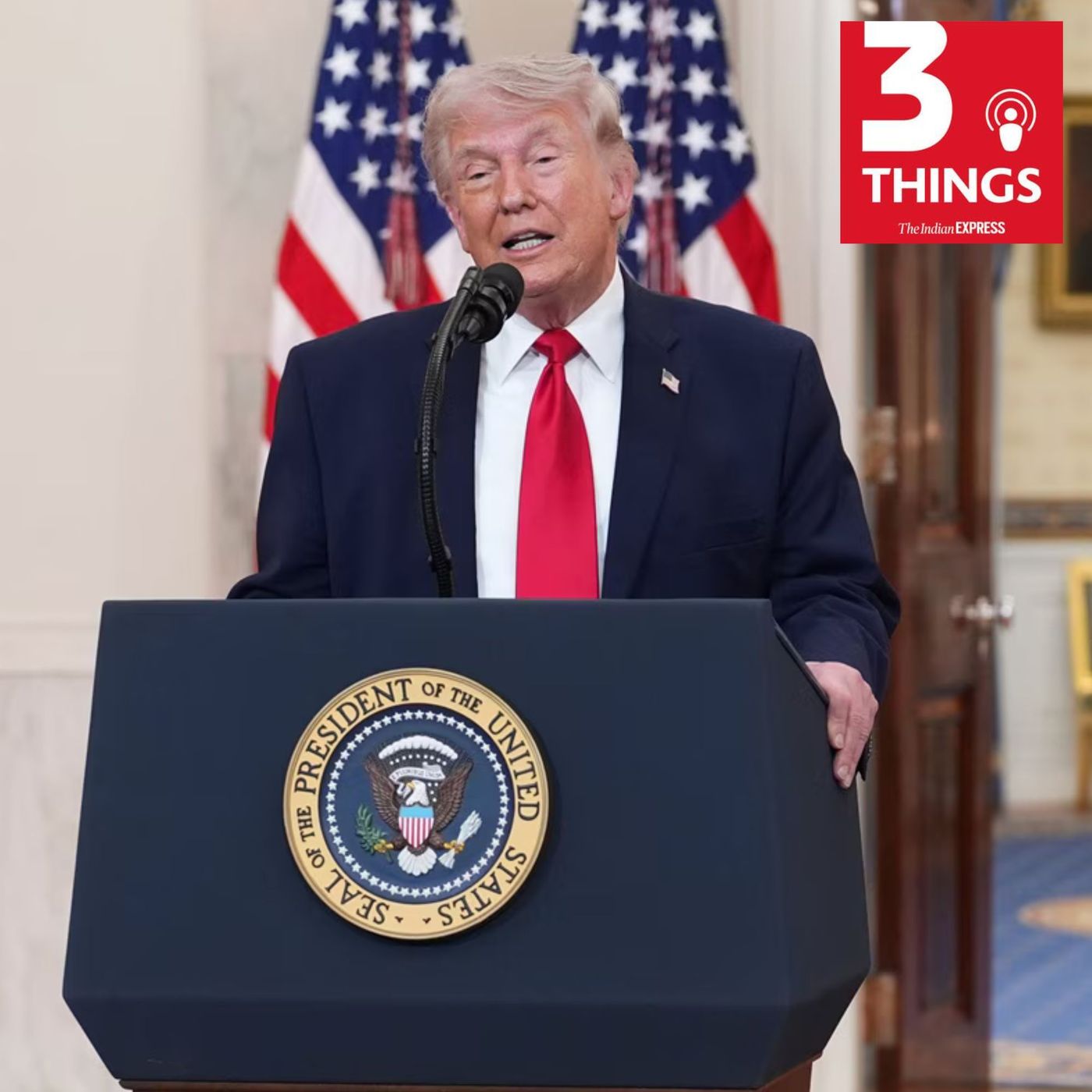
• Trump’s Address and Diplomatic Stance: President Trump’s recent address to the nation did not provide a clear timeline for ending the Iran war but underscored the complexity of the US’s entanglement. While stating that the Strait of Hormuz is not America’s problem, he urged allies to take the lead in protecting the vital shipping lane. This suggests a potential shift in US strategy, emphasizing regional responsibility.
• US Strikes on Iranian Nuclear Facilities: The US has conducted strikes on Iranian nuclear facilities, described as “operation midnight hammer,” reportedly devastating key sites. Trump stated that these facilities were so damaged it would take months to repair them, warning of further missile strikes if Iran retaliates. However, later intelligence assessments reportedly did not corroborate the extent of the damage claimed by the US.
• Regime Change in Iran Debate: While the US initially seemed to push for regime change in Iran, President Trump’s later statements have been more nuanced. He alluded to “regime change” having occurred due to the deaths of key Iranian leaders and officials, including Ayatollah Ali Khamenei and Qassem Soleimani, suggesting a focus on decapitation strikes rather than direct intervention for a coup. The current Iranian regime, despite facing internal dissent and external pressure, has not collapsed.
• Strait of Hormuz Impact and Energy Crisis: The closure of the Strait of Hormuz, through which 20% of the world’s energy supply passes, has triggered a global fuel crisis and heightened fears of wider regional escalation. This has led to increased energy prices worldwide.
• Odisha Government’s Reservation Policy: In a separate discussion, the Odisha government’s decision to almost double the number of seats reserved for Scheduled Castes and Scheduled Tribes in medical, engineering, higher, and technical education courses is highlighted. This move aims to address historical disparities and improve access for marginalized communities.
💡 Key Insights & Memorable Moments
- Strategic Ambiguity: Trump’s rhetoric on the Iran conflict oscillates between direct threats and a call for regional allies to take the lead, creating strategic ambiguity.
- “Regime Change” Reimagined: The US approach to regime change in Iran appears to have shifted from direct intervention to decapitation strikes against leadership, acknowledging the resilience of the Iranian state.
- Global Energy Vulnerability: The discussions underscore the critical vulnerability of global energy markets to geopolitical instability in the Middle East, particularly concerning the Strait of Hormuz.
- Internal Party Dynamics: AAP leader Raghav Chadha’s removal as deputy leader in the Rajya Sabha is framed within the context of internal party dissent and his alleged absence during critical moments for the party, indicating a complex power struggle.
- Odisha’s Affirmative Action: The Odisha government’s significant increase in reservations for SC/ST students in higher education signifies a renewed push for affirmative action to address demographic imbalances and historical disadvantages.
🎯 Way Forward
- Diversify Energy Sources and Supply Chains: Given the vulnerability of the Strait of Hormuz, nations must accelerate efforts to diversify their energy sources and strengthen supply chain resilience to mitigate the impact of geopolitical disruptions. This matters for economic stability and national security.
- Diplomatic Engagement and De-escalation: Continuous diplomatic channels must be maintained to de-escalate tensions between Iran, the US, and Israel. Exploring dialogue, even through intermediaries, is crucial to prevent miscalculation and unintended escalation. This matters for averting a wider regional conflict.
- Strengthen Regional Security Architectures: The GCC and other regional bodies need to play a more proactive role in fostering dialogue and establishing security mechanisms that promote stability, independent of external powers. This matters for long-term regional peace and security.
- Review and Adapt Affirmative Action Policies: Governments should continuously evaluate the effectiveness and impact of reservation policies, ensuring they are targeted, equitable, and achieve the desired outcomes of social justice and empowerment without creating unintended consequences. This matters for ensuring inclusive development and addressing historical injustices.
- Monitor and Adapt to Shifting Geopolitical Alliances: International relations in the Middle East are fluid. Continuous monitoring of evolving alliances, defense pacts, and diplomatic engagements is vital for understanding future geopolitical shifts and their impact on global affairs. This matters for informed foreign policy and strategic planning.