
🎯 Core Theme & Purpose
This episode delves into the intricate world of geopolitical tensions and the escalating conflict between Iran and Israel, examining the potential consequences of military actions on global energy infrastructure. It also explores the broader implications of disinformation in the age of AI, using the specific case of fabricated rumors about Benjamin Netanyahu. The discussion highlights the interconnectedness of global events and the critical need for discerning truth in an increasingly complex media landscape, benefiting policymakers, journalists, and the general public concerned with international relations and media literacy.
📋 Detailed Content Breakdown
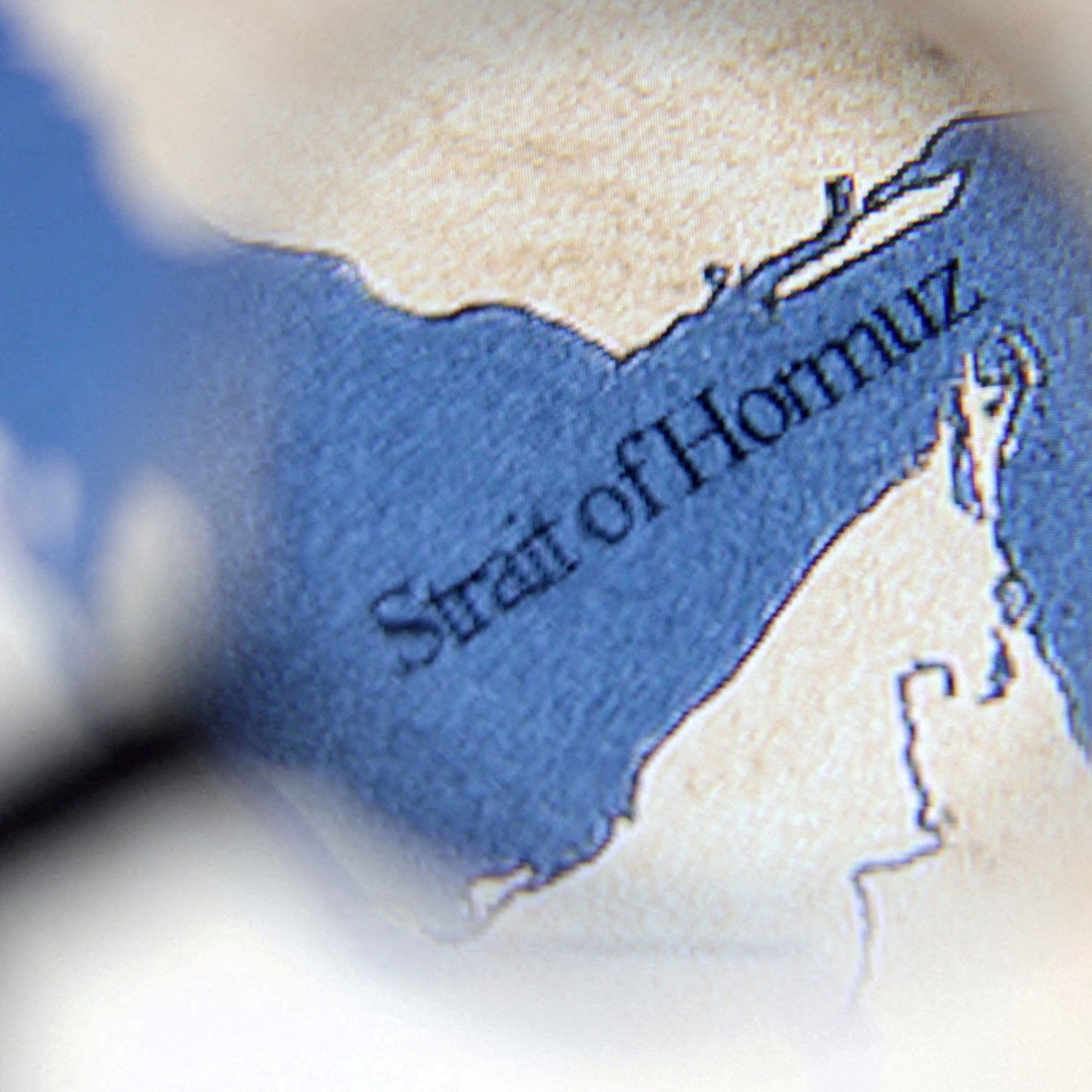
• Iran-Israel Tensions and Global Energy Security: The US, under President Trump, threatened military action against Iran, specifically targeting its power plants, if Iran did not reopen the Strait of Hormuz. This situation is analyzed for its potential impact on global energy supplies and broader geopolitical stability, with concerns raised about the vulnerability of energy infrastructure to attacks.
• Iran’s Military Capabilities and Missile Range: The discussion touches upon Iran’s advanced missile systems, with experts estimating their ranges to be up to 2,000 kilometers. Specific mention is made of a potential missile system capable of reaching targets over 4,000 kilometers, raising concerns about the potential threat to major European cities and the security of US allies in the region.
• Disinformation and AI in Geopolitics: The episode highlights the alarming spread of fake rumors about the death of Benjamin Netanyahu, necessitating multiple proof-of-life videos from the Israeli Prime Minister. This incident serves as a stark example of how AI-generated content and disinformation campaigns can destabilize political discourse and international relations, with implications for the upcoming elections in North Korea and China.
• The US Response and Strategic Concerns: The US approach to managing the Strait of Hormuz situation is questioned, with an acknowledgment that the US may lack the resources to fully secure it independently. The complexity of the situation is further amplified by the unpredictable nature of the US presidency and the potential for rapid shifts in foreign policy.
• The Impact of Disinformation on Social Cohesion: The episode features insights from a Lebanese Muslim Association representative who notes a significant increase in hate speech and discriminatory comments directed at the Muslim community in Australia, fueled by political rhetoric and events like the Bondi attack. This highlights how political discourse can exacerbate societal divisions and create an environment of fear and mistrust.
• Kuban Humanitarian Crisis and International Aid: The ongoing humanitarian crisis in Cuba, exacerbated by US sanctions and a total collapse of the electricity grid, is examined. The arrival of international aid convoys, including food and medical supplies, underscores the severity of the situation and the global response to alleviate suffering, with particular focus on the critical need for fuel and electricity.
💡 Key Insights & Memorable Moments
• Counterintuitive Revelation: The episode reveals that the US may lack the resources to unilaterally manage the Strait of Hormuz, suggesting a reliance on international cooperation despite the high-stakes geopolitical environment.
• Expert Opinion: Jonathan Marcus notes that the conflict in the region has echoes of the war in Ukraine, particularly concerning the seizure of nuclear sites and the potential targeting of surrounding areas, underscoring the cyclical nature of geopolitical conflict.
• Memorable Quote: “We are being confronted with the biggest scandal in the last 35 years. Basically discovering that this country is being captured.” This quote from Tony Kajzar vividly illustrates the perceived systemic corruption and its impact on Slovenia’s political landscape.
• Data Point: The significant increase in anti-Islam incidents in Australia, reportedly rising by over 600% since October 7th, 2023, highlights the real-world impact of geopolitical events and inflammatory rhetoric on societal harmony.
• Storytelling Moment: The narrative of BTS fans, or “ARMY,” traveling from across the globe to attend a free concert in Seoul, symbolizing the global reach and cultural impact of K-Pop, powerfully illustrates the unifying force of shared passion and community in the digital age.
🎯 Way Forward
- Enhance AI Disinformation Detection and Mitigation: Governments and tech platforms must invest in advanced AI tools to detect and counter AI-generated disinformation in real-time, particularly in sensitive geopolitical contexts, to maintain informed public discourse.
- Strengthen International Cooperation on Energy Security: Nations should collaborate on securing global energy infrastructure and diversifying supply chains to mitigate the impact of regional conflicts on energy prices and availability, ensuring global economic stability.
- Promote Media Literacy and Critical Thinking: Educational initiatives focused on media literacy are crucial to equip individuals with the skills to critically evaluate information sources, identify disinformation, and resist manipulation, fostering a more resilient and informed citizenry.
- Foster Inclusive Dialogue and Counter Islamophobia: Community leaders and policymakers should actively promote interfaith dialogue and implement policies that combat discrimination and Islamophobia, creating a more inclusive and cohesive society where all individuals feel safe and respected.
- Develop Robust Humanitarian Aid Mechanisms: International organizations and governments need to establish more agile and effective humanitarian aid mechanisms to respond swiftly to crises exacerbated by political instability and sanctions, ensuring timely delivery of essential resources like food, medicine, and fuel to affected populations.