
🎯 Core Theme & Purpose
This episode delves into the complex intersection of artificial intelligence, international relations, and technological ethics, particularly concerning the development and deployment of AI in military and surveillance contexts. It examines the geopolitical tensions arising from these advancements, highlighting the differing approaches of nations like the US, China, and Argentina, and explores the ethical dilemmas surrounding AI control and accountability. The content is highly beneficial for policymakers, tech leaders, ethicists, and anyone concerned with the future implications of AI on global security and societal norms.
📋 Detailed Content Breakdown
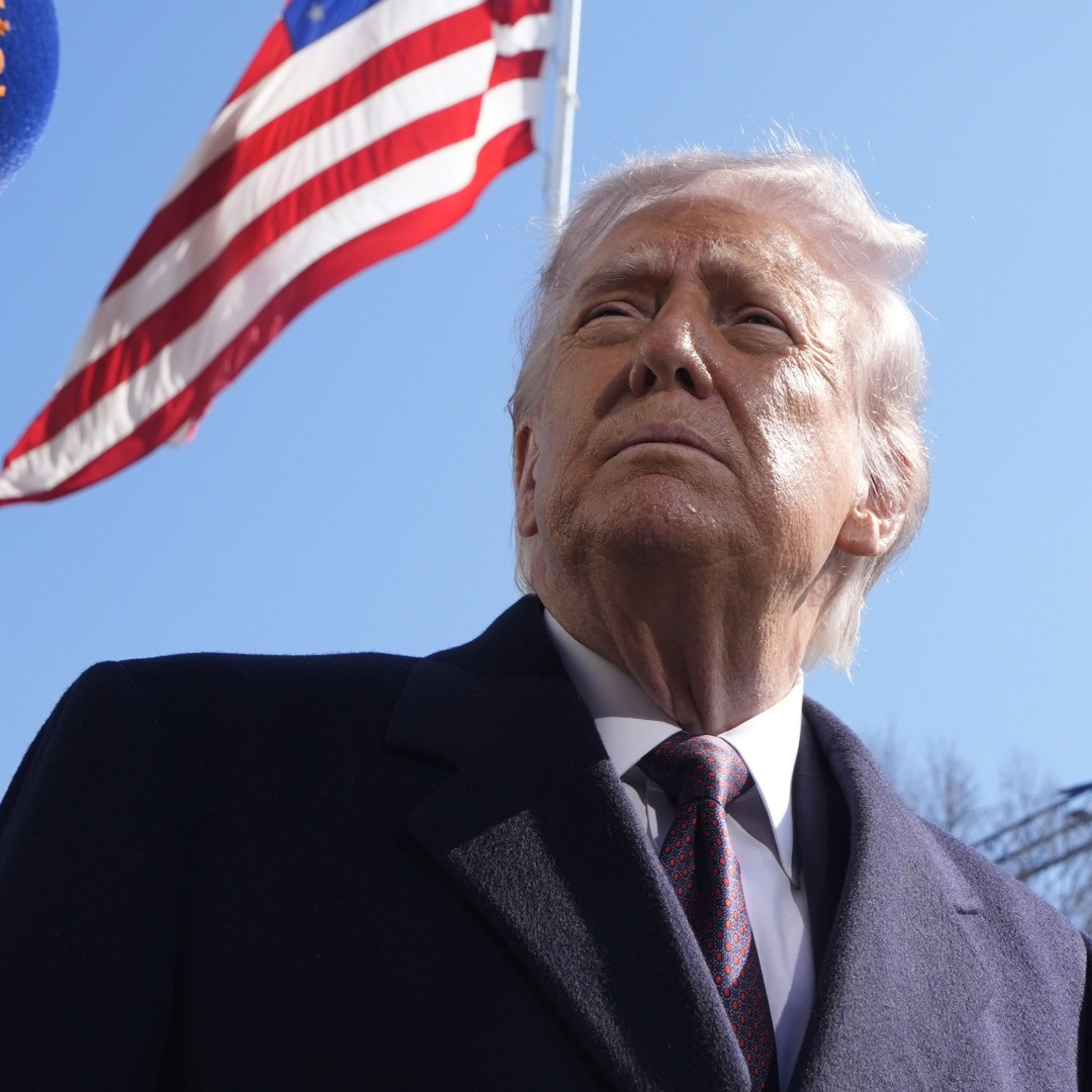
• US Government vs. Anthropic on AI Ethics: President Trump ordered US agencies to cease business with Anthropic due to the company’s refusal to lift restrictions on its AI models for mass domestic surveillance or autonomous weapons. Anthropic, despite its stance, is perceived as a safety-first company, creating a conflict with the Pentagon’s desire for unfettered AI capabilities. This highlights the ongoing debate about setting boundaries for AI development, even for entities with significant government contracts.
• Bill Clinton’s Testimony on Jeffrey Epstein: Former President Bill Clinton testified for six hours regarding his relationship with Jeffrey Epstein, stating he was unaware of Epstein’s alleged crimes and would have reported him if he had known. Clinton addressed a photograph of him and an unidentified woman in a hot tub, denying any inappropriate relationship. This testimony underscores the scrutiny faced by public figures and the challenges in verifying past associations in high-profile investigations.
• Argentina’s Push to Deregulate Glacier Mining: Argentina’s President Javier Milei is attempting to repeal laws protecting glaciers, which were enacted in 2010 to prevent mining and other industrial activities. Environmental groups, including Greenpeace, warn that this move could have severe consequences for water resources and the environment, as glaciers are crucial sources of fresh water. The proposed deregulation aims to boost the mining sector, which is a significant part of Argentina’s economy, by allowing access to mineral-rich glacial areas.
• Neel Sedaka’s Enduring Musical Legacy: Singer-songwriter Neel Sedaka, who passed away at 86, is remembered as a significant figure in rock and roll, with hits spanning six decades. His career trajectory showcases a transition from classical training to pop stardom, influenced by collaborations and evolving musical landscapes. Sedaka’s early success and his ability to adapt to changing music trends, including the rise of disco and his later resurgence, exemplify a lasting impact on the music industry.
• NASA’s Artemis Program Challenges and Adjustments: NASA’s Artemis lunar program is facing delays and modifications, including the addition of an extra spacecraft docking test, to meet its goal of returning humans to the moon by 2028. The program’s significant cost and the infrequent launch cadence of its rockets have prompted a review of its strategy. NASA aims to increase launch frequency and reduce costs to ensure the program’s viability and achieve its ambitious lunar exploration objectives.
• South Korea’s Micro-Drama Boom Fueled by AI: South Korea is experiencing a surge in micro-drama production, with companies like Big Blue utilizing AI to generate scripts and visual elements for short-form content. This trend, driven by the demand for quick, engaging content on mobile platforms, allows for rapid production cycles and cost reduction. The reliance on AI in creative processes raises questions about originality, the role of human artists, and the future of content creation in a technologically advanced media landscape.
💡 Key Insights & Memorable Moments
• AI as a Double-Edged Sword: The discussion on Anthropic highlights how AI, while offering immense potential, also presents ethical quandaries regarding its application in sensitive areas like defense and surveillance, revealing a tension between innovation and responsible deployment. • The Scrutiny of Power: Bill Clinton’s testimony reveals the intense public and governmental scrutiny that powerful individuals face regarding past associations, even years after alleged events. • Environmental Protection vs. Economic Gain: Argentina’s attempt to repeal glacier protection laws exemplifies the perennial global conflict between environmental conservation and the economic incentives of resource extraction. • The Evolution of Musical Success: Neel Sedaka’s career arc illustrates how artists must adapt to changing industry trends and audience preferences to maintain relevance and achieve sustained success. • The Practicalities of Space Exploration: NASA’s Artemis program’s challenges underscore the complex logistical and financial hurdles involved in ambitious space missions, necessitating strategic adjustments for feasibility. • AI in Creative Industries: The rise of AI-generated micro-dramas in South Korea signals a significant shift in content creation, raising questions about human creativity and the economic viability of AI-assisted artistic processes.
🎯 Way Forward
- Develop Robust Ethical Frameworks for AI in Defense: Governments and AI developers must collaborate to establish clear ethical guidelines and robust oversight mechanisms for AI applications in military and surveillance, prioritizing human control and accountability, especially concerning autonomous weapons. This is crucial to prevent unintended escalation and uphold human rights in conflict zones.
- Strengthen Environmental Protections Against Economic Pressures: Policymakers must balance economic development with environmental preservation by ensuring that laws protecting natural resources like glaciers are resilient against lobbying efforts and economic pressures, recognizing the long-term implications for water security and biodiversity. This will safeguard vital ecosystems for future generations.
- Foster Adaptability and Cross-Genre Collaboration in Creative Fields: Artists and creative industries should embrace adaptability and interdisciplinary collaboration, mirroring Neel Sedaka’s career evolution, to navigate technological shifts and audience tastes. This ensures continued relevance and innovation in artistic expression.
- Prioritize Sustainable and Efficient Space Exploration Models: Space agencies like NASA need to adopt more sustainable and cost-effective approaches to space exploration, such as increasing launch cadences and streamlining development processes, to meet ambitious timelines and ensure long-term program viability. This will accelerate humanity’s progress in space.
- Invest in AI Literacy and Ethical AI Development: A concerted effort is needed to increase public understanding of AI’s capabilities and limitations, alongside promoting ethical development practices within the AI industry, particularly in creative fields. This will foster informed public discourse and responsible technological advancement.