
🎯 Core Theme & Purpose
This episode delves into India’s journey towards becoming a developed nation, focusing on the crucial aspect of sustainability. It explores the challenges and opportunities presented by infrastructure development, technological advancement, and industrial growth, emphasizing the need for inclusive and sustainable progress. The discussion is particularly relevant for policymakers, industry leaders, and citizens invested in India’s future economic and environmental well-being.
📋 Detailed Content Breakdown
• India’s Development Trajectory: The episode begins by acknowledging India’s strong growth in infrastructure, technology, and industry as key drivers for its development. Expanding railways, digital services, and manufacturing hubs are identified as accelerators of economic transformation.
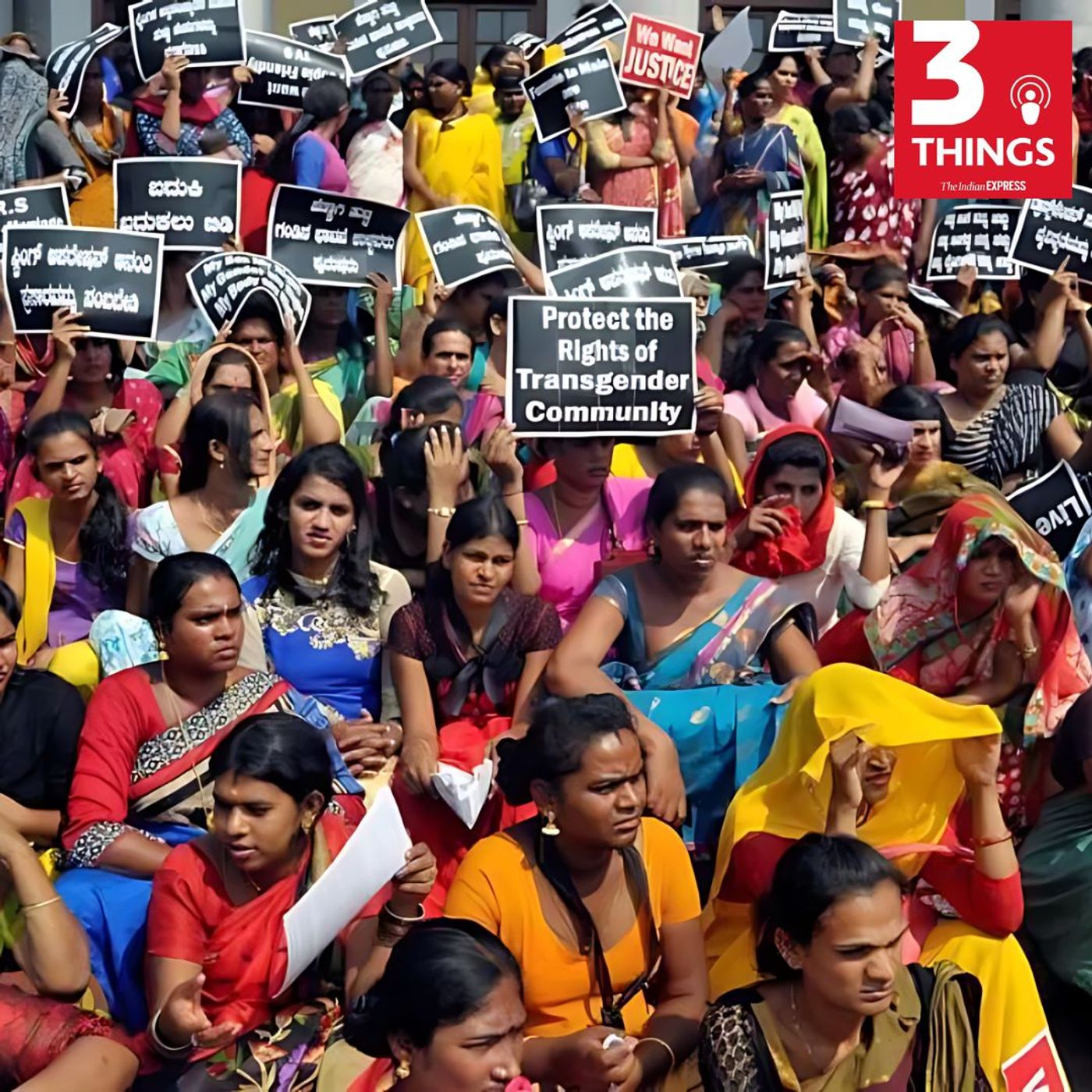
• Transgender Rights and Legal Amendments: A significant portion discusses the proposed amendments to India’s Transgender Persons (Protection of Rights) Act, 2019. The changes aim to streamline implementation and prevent misuse but have drawn sharp criticism for potentially eroding the right to self-identification and introducing a medical certification process. This section highlights the ensuing protests and the community’s concerns about legal and social regression.
• Gujarat’s Bootlegging Tactics on Expressways: The analysis then shifts to an ingenious method employed by bootleggers in Gujarat, utilizing the Delhi-Mumbai Expressway to smuggle liquor. The episode details how modified vehicles, concealed compartments, and sophisticated logistical networks are used to bypass checkpoints, underscoring the deep-rooted nature of the illegal liquor trade and the evolving tactics to circumvent enforcement.
• Navigating Geopolitical Fallout: The discussion touches upon the Indian government’s preparedness for the repercussions of the West Asia conflict. Seven empowered groups have been formed to monitor and respond to the impact on key sectors like security, economy, energy, and supply chains, demonstrating a proactive approach to managing global uncertainties.
• Mitigating West Asia Conflict’s Impact: The government’s strategy involves identifying risks, formulating mitigation strategies, and implementing timely measures. This includes diversifying energy sources, stabilizing commodity prices, ensuring supply chain continuity, and fostering diplomatic dialogue, reflecting a comprehensive approach to safeguarding national interests.
• Economic Vulnerabilities and Policy Responses: The West Asia conflict’s impact on global economies, particularly on oil prices and supply chains, is highlighted. India’s efforts to secure crude oil supplies and manage potential disruptions are detailed, emphasizing the need for strategic planning and international cooperation.
💡 Key Insights & Memorable Moments
- Intricate Smuggling Methods: The description of bootleggers using modified trucks with hidden tanks behind the rear tire on the Delhi-Mumbai Expressway to smuggle liquor is a striking example of criminal ingenuity. The detail about a driver being a diploma holder in fabrication adds a layer of sophistication to these illicit operations.
- “Self-identification vs. Medical Certification” Dilemma: The debate surrounding the Transgender Persons Act amendments, specifically the shift from self-identification to a medical certification process, presents a critical juncture in legal recognition and societal acceptance. Activists argue this “criminalizes lived realities” by making medical intervention a prerequisite for legal identity.
- Proactive Risk Management: The establishment of seven empowered groups by the Indian government to address the West Asia conflict’s fallout, covering everything from energy to logistics, showcases a structured and forward-thinking approach to managing complex geopolitical risks.
- “Legal Scrutiny of Biology”: The critique of the proposed medical certification for transgender identity as a form of “legal scrutiny of biology” rather than a recognition of self-identity captures the core concern of the transgender community and their allies.
- Government’s Multi-pronged Strategy: Prime Minister Modi’s assurance of adequate crude oil reserves and supply chain management, coupled with the emphasis on international dialogue and diplomatic solutions, paints a picture of a government trying to balance immediate needs with long-term geopolitical stability.
🎯 Way Forward
- Strengthen Inter-Agency Coordination for Law Enforcement: Enhance collaboration between central agencies (like NIA) and state police forces (like Gujarat’s anti-terrorism squad) to disrupt sophisticated smuggling networks that exploit national infrastructure like expressways. This is crucial for preventing the normalization of such illegal activities.
- Prioritize Consultative Policymaking on Social Legislation: Ensure robust consultation with affected communities, especially the LGBTQIA+ community, before enacting legislation like amendments to the Transgender Persons Act. This builds trust and leads to more inclusive and effective policies, respecting fundamental rights.
- Develop Resilient Supply Chains with Diversified Sourcing: Continue to explore and secure alternative import sources for critical commodities like crude oil and fertilizers, reducing dependence on single regions. This will bolster economic stability against global geopolitical shocks.
- Promote Public Awareness and Education on LGBTQIA+ Rights: Counteract misinformation and societal prejudices by increasing public understanding of transgender rights and identities. This can be achieved through educational campaigns and by highlighting positive contributions of the community, fostering a more inclusive environment.
- Invest in Advanced Surveillance and Data Analytics for Infrastructure Security: Employ cutting-edge technology and data analysis to monitor expressways and other critical infrastructure for illicit activities. This can help preemptively identify anomalies and vulnerabilities exploited by smugglers and other criminal elements.