
🎯 Core Theme & Purpose
This episode delves into the escalating geopolitical tensions surrounding the 2026 Winter Olympics in Italy, examining the intricate web of international relations, potential disruptions, and the human cost of conflict. It highlights the dual nature of global events, serving as both a stage for athletic achievement and a backdrop for critical political discourse. Listeners interested in international affairs, the impact of conflict on sports, and the complexities of modern diplomacy will find this analysis insightful.
📋 Detailed Content Breakdown
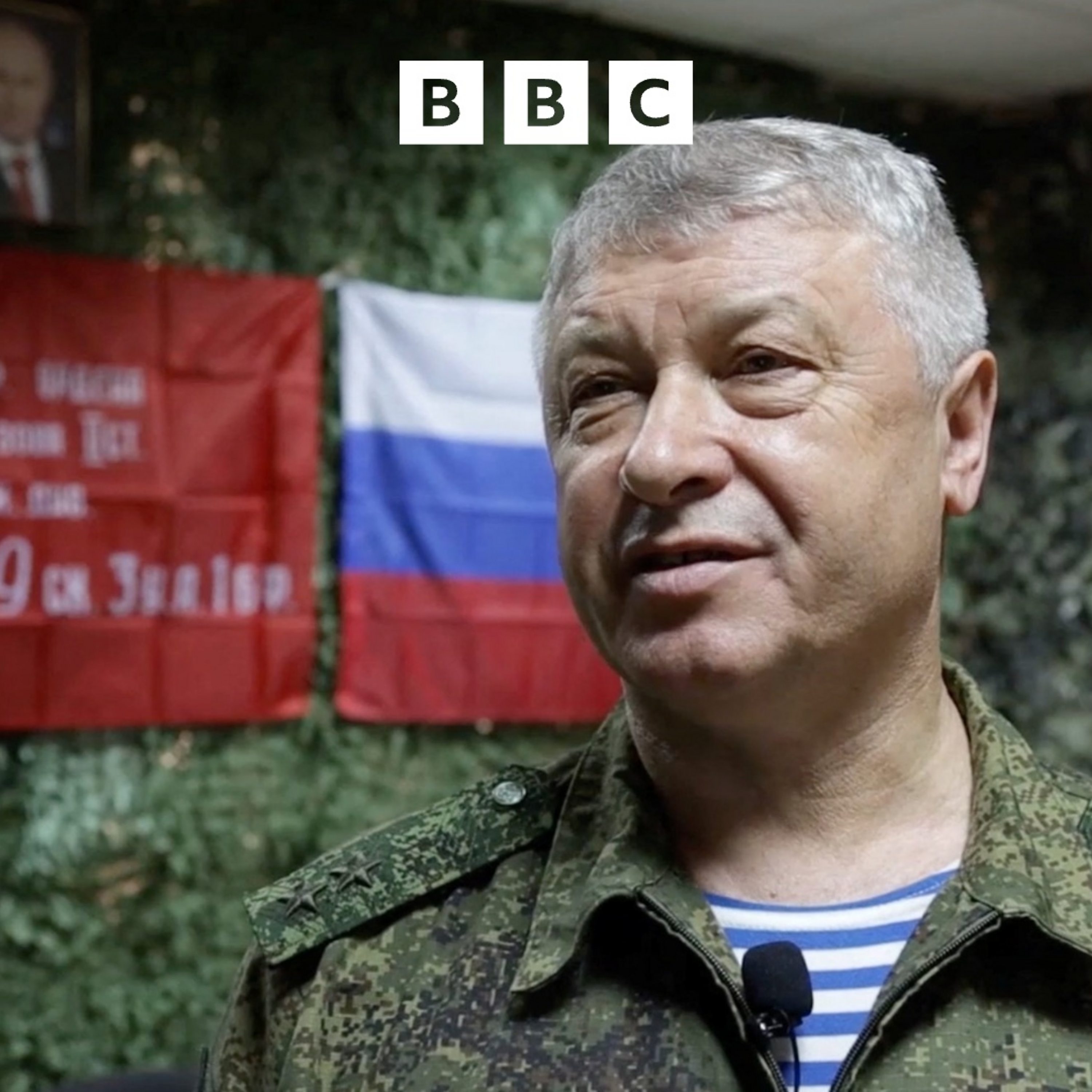
• Olympic Context and Geopolitical Undercurrents: The discussion begins by acknowledging the significant events unfolding around the 2026 Winter Olympics, setting the stage for a deeper exploration of related geopolitical issues. This includes mentions of the expected events and the broader context of international relations that often accompany such global gatherings. • Assassination Attempt on Russian General: A prominent news item covered is the shooting of a high-ranking Russian general, Vladimir Makeev, in Moscow, a significant development given his role in the Ukraine conflict. Russia has blamed Kyiv for the attack, adding another layer of tension to the ongoing conflict. • Ukrainian Soldier’s Return and Humanitarian Stories: The podcast highlights a deeply emotional story of a Ukrainian soldier, previously presumed dead, returning home alive, underscoring the personal impact of the conflict. This event, occurring amidst a large prisoner exchange, offers a rare moment of positive news amidst widespread hardship. • New Zealand’s White Fern Day and Political Tensions: The narrative shifts to New Zealand’s White Fern Day, intended to commemorate a treaty between the Crown and Māori tribes, but occurring against a backdrop of rising tensions. The government’s policies are seen by some as anti-Māori, creating friction during a day meant for national unity. David Seymour, the Deputy Prime Minister, faces criticism for his comments on colonization. • Cholesterol-Lowering Drug Safety and Evolving Medical Understanding: Research from Oxford University suggests that statins, widely used cholesterol-lowering drugs, may be far safer than previously understood. New data indicates that many listed side effects on packaging might not have a causal link to the medication, offering reassurance to millions of users.
💡 Key Insights & Memorable Moments
- A counterintuitive revelation is that many commonly listed side effects of statin medication might not be causally linked to the drugs themselves, challenging prevailing patient concerns.
- The return of a Ukrainian soldier, presumed dead, amidst a prisoner exchange offers a poignant reminder of the human stories woven into global conflicts.
- “We need a politics of hope.” This quote from Pita Limjaroenrat, leader of Thailand’s Move Forward Party, encapsulates the aspiration for positive change amidst political challenges.
- The potential for widespread geopolitical instability, as suggested by Russia’s framing of an attack on a general as potentially triggering a “regional war,” highlights the precarious global security situation.
🎯 Way Forward
- Promote Evidence-Based Medical Information: Public health campaigns should prioritize disseminating the latest research on drug efficacy and safety, like the statin study, to counter misinformation and alleviate patient anxiety. This matters for informed healthcare decisions and public trust in medicine.
- Foster Diplomatic Engagement Amidst Conflict: Continue to support and explore diplomatic channels, as seen in the Iran-US talks in Oman, to de-escalate tensions and prevent armed conflict, even when progress is incremental. This matters for global peace and stability.
- Prioritize Humanitarian Narratives in Conflict Reporting: Highlight stories of individual resilience and return, like the Ukrainian soldier, to humanize the conflict and remind audiences of the personal stakes involved. This matters for fostering empathy and understanding.
- Advocate for Transparent Governance and Rights Protection: Support initiatives that ensure fair representation and protect minority rights, especially in countries like New Zealand and Thailand, where political systems face challenges from established powers. This matters for democratic integrity and social justice.
- Embrace the Transformative Power of Art in Education: Invest in and expand initiatives like Ruble Naggi’s work, using art to make education accessible and engaging in underserved communities. This matters for empowering future generations and fostering creativity.