
🎯 Core Theme & Purpose
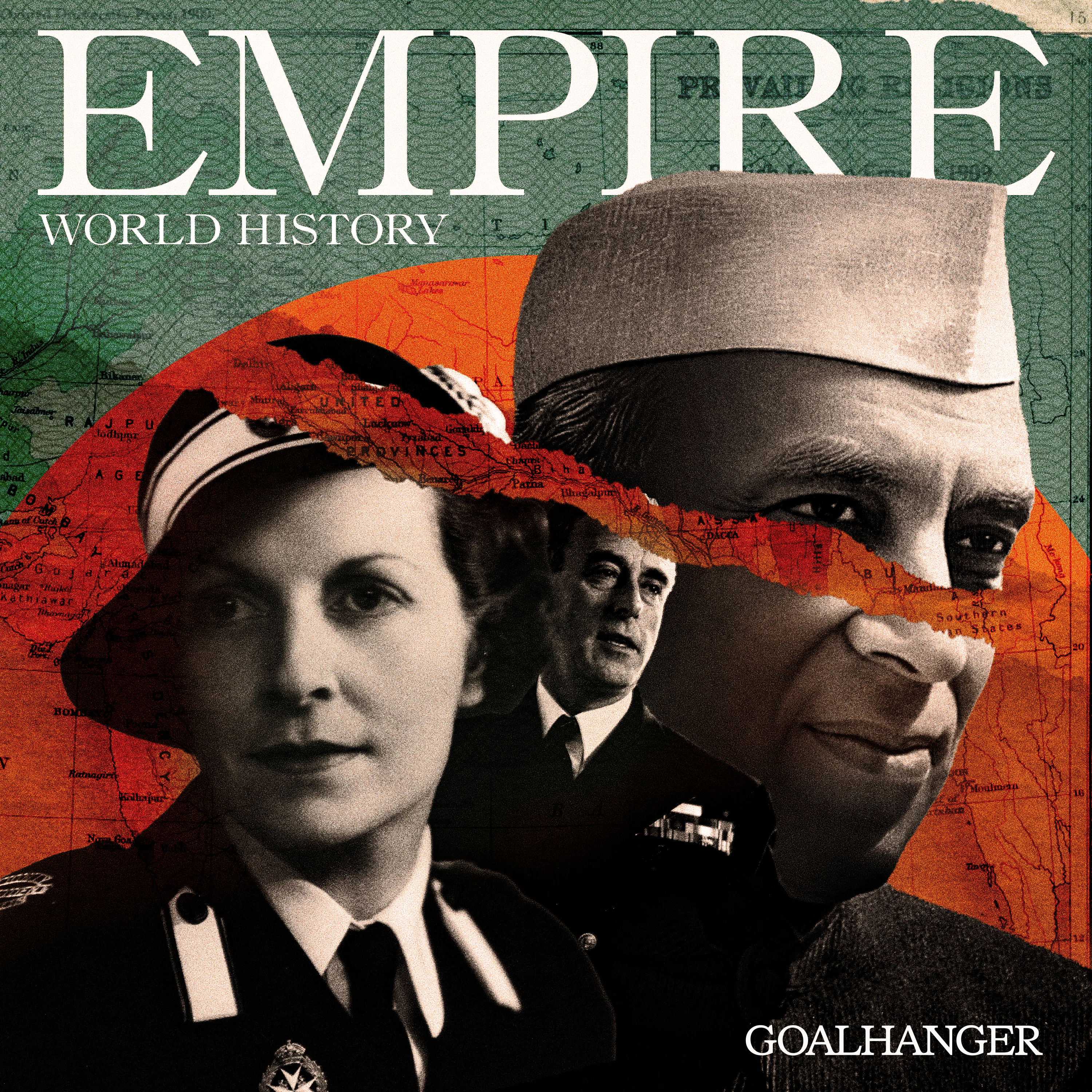
This episode delves into the controversial affair involving Edwinna Mountbatten, the last Vicereine of India, and its significant impact on the period leading up to India’s partition. It examines the unconventional nature of her relationships and the scandal that ensued, offering a unique perspective on the intersection of personal lives and political events. This content would be most beneficial for listeners interested in the social history of the British Raj, the personal lives of historical figures, and the societal impact of scandals during the 1940s.
📋 Detailed Content Breakdown
- The Mountbatten’s Unconventional Marriage: The discussion highlights the marriage of Lord Mountbatten and Edwinna Mountbatten, characterizing it as unconventional and hinting at extramarital affairs. This sets the stage for understanding Edwinna’s personal life and its public repercussions.
- Edwinna’s Relationships and Scandal: The episode focuses on the rumors and allegations surrounding Edwinna’s affairs, particularly with Paul Robeson and Hutchy Hutchison. It details how these relationships became a public scandal in Britain.
- The Newspaper Libel Case: A significant event discussed is the libel case initiated by Buckingham Palace against a newspaper that published allegations of a “royal woman” having an affair with a “black entertainer.” This highlights the severity of the scandal and the pressure exerted to suppress it.
- Edwinna’s Testimony and Denial: The episode reveals that Edwinna herself testified in court, denying she had ever met Paul Robeson, a statement presented as untrue. This demonstrates her active, albeit perhaps reluctant, participation in the legal proceedings.
- The Power of the Royals and Public Perception: The discussion touches on the immense influence of the royal family and the societal deference they commanded at the time, making any challenge to their image highly problematic. The newspaper’s decision to apologize and pay damages illustrates this power dynamic.
- Paul Robeson’s Influence and Persona: Paul Robeson is described as an African-American, a communist, an international activist, a musician, and a film star. His multifaceted public persona and his appeal as a figure of rebellion and internationalism are emphasized as relevant to the scandal.
💡 Key Insights & Memorable Moments
- The surprising revelation that Buckingham Palace felt compelled to initiate libel proceedings, a move described as “unheard of” and highly unusual for the royals.
- Edwinna’s alleged denial of knowing Paul Robeson in court, which is presented as a deliberate untruth, underscoring the lengths taken to manage the scandal.
- The profound societal impact of a scandal involving a “royal woman” and a “black entertainer” in 1940s Britain, highlighting the racial and class prejudices of the era.
- The description of Paul Robeson as an “adored and adored him back,” indicating a strong connection and mutual admiration that fueled the public’s imagination.
🎯 Way Forward
- Investigate further into the specific societal prejudices that made an affair between Edwinna Mountbatten and Paul Robeson so scandalous in 1940s Britain. This matters for understanding the intersection of race, class, and power in that historical context.
- Analyze the broader impact of personal scandals involving influential figures on political events, such as the Indian partition. This is crucial for grasping how private lives can indirectly shape national trajectories.
- Explore the public’s reaction to the libel case outcome and the newspaper’s apology. Understanding this public sentiment can offer insights into the era’s moral compass and its attitude towards the monarchy and racial integration.
- Examine the long-term consequences for Paul Robeson and Edwinna Mountbatten following the scandal and the libel case. This would illuminate the lasting personal and professional repercussions of such public controversies.
- Consider the role of media in shaping and sensationalizing the personal lives of public figures, particularly royalty, and its potential to influence public opinion and political narratives. This is vital for understanding media’s historical and ongoing power.