
🎯 Core Theme & Purpose
This episode delves into India’s rapid economic growth and its implications for sustainability, with a particular focus on the ongoing Liquefied Petroleum Gas (LPG) shortage impacting households and businesses. It provides a crucial analysis for policymakers, economists, and consumers concerned with balancing development with long-term ecological and social well-being. The discussion highlights the challenges of managing resources amidst ambitious national progress.
📋 Detailed Content Breakdown
• India’s Growth and Sustainability Challenge: The episode opens by acknowledging India’s impressive economic growth driven by digital expansion and infrastructure development. However, it immediately pivots to the critical need to align this growth with sustainability to ensure inclusive and long-term progress for future generations.
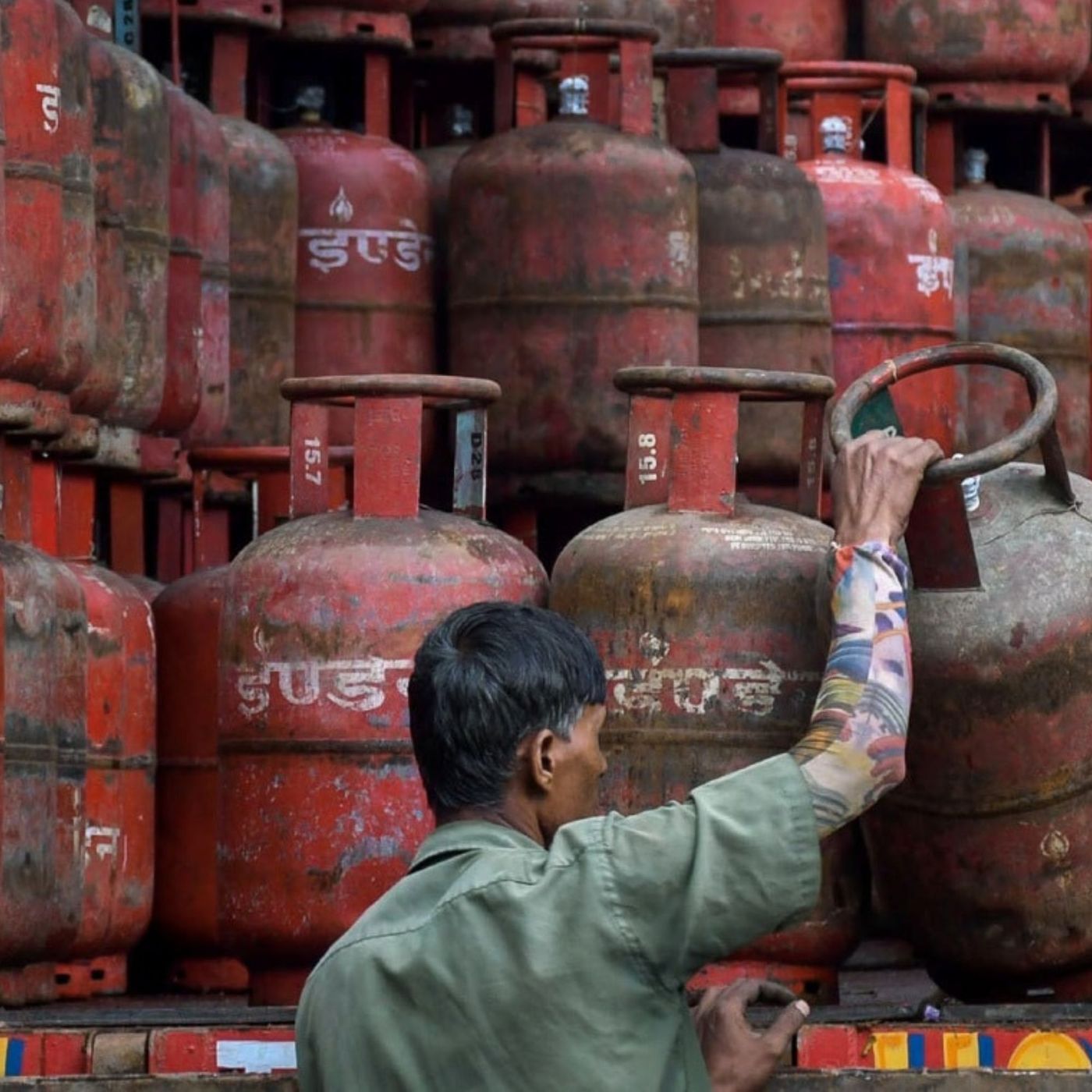
• LPG Shortage: A Widespread Crisis: A significant portion of the discussion is dedicated to the severe LPG shortage, exacerbated by geopolitical conflicts in West Asia impacting global energy flows. With 60% of India’s LPG supply imported, the nation faces a crisis affecting both businesses and lower-income households.
• Government Interventions and Their Impact: In response to the shortage, the government has ordered a 25% increase in domestic LPG production and extended the delivery window for cylinders. However, despite these measures, the shortage continues to be felt across various sectors, impacting daily life and livelihoods.
• The Delhi and Mumbai Experience with LPG Scarcity: The report details how the LPG crisis disproportionately affects unauthorized colonies and lower-income areas in Delhi, leading to rationed meals and increased costs for essential cooking fuel. While Mumbai’s access to PNG pipelines offers some buffer, the general scarcity is a growing concern.
• Restaurants and Eateries Hit Hardest: Businesses, particularly small eateries and street food vendors, are struggling with the increased cost and reduced availability of LPG. Many are forced to scale down operations, alter menus, or even shut down, significantly impacting their revenue and the availability of affordable food options.
• Water Dispute: Punjab vs. Rajasthan: A substantial segment addresses the long-standing water dispute between Punjab and Rajasthan, rooted in a pre-independence agreement. Punjab’s Chief Minister demands ₹1.44 lakh crore from Rajasthan for water usage, while Rajasthan claims its water resources are dwindling due to extensive canal irrigation and population growth. The Supreme Court’s involvement is noted as a critical factor in resolving this complex inter-state issue.
• Online Content Blocking and Government Policy: The episode briefly touches upon the government’s consideration to shorten the online content blocking timeline to one hour, signaling a tightening regulatory approach to digital content.
💡 Key Insights & Memorable Moments
- “India is growing at a breathtaking speed, driven by rapid economic growth, digital expansion, and world-class infrastructure.”: This opening statement sets the stage for the episode’s core tension: balancing rapid development with the imperative of sustainability.
- “Nearly 60% of India’s LPG supply is imported.”: This stark statistic underscores the nation’s vulnerability to global energy market fluctuations and the root cause of the current shortage crisis.
- The disproportionate impact of the LPG shortage on “unauthorized colonies and lower-income households” in Delhi: This highlights the social equity dimension of the crisis, where essential services are least accessible to those most in need.
- The Punjab-Rajasthan water dispute is a “long-running and complex dispute over river waters.”: This illustrates the deep-seated nature of inter-state resource allocation challenges in India, with historical agreements proving insufficient for current demands.
- The government’s move to shorten the online content blocking timeline to one hour: This points towards a potentially more assertive stance on digital content regulation, raising questions about freedom of expression versus content control.
🎯 Way Forward
- Diversify LPG Sourcing and Boost Domestic Production: Why it matters: Reducing reliance on imports (currently 60%) can mitigate the impact of global supply chain disruptions and price volatility, ensuring more stable access to essential cooking fuel.
- Invest in Sustainable Water Management Infrastructure: Why it matters: Addressing inter-state water disputes requires a long-term strategy focused on efficient water conservation, rainwater harvesting, and equitable distribution systems to prevent future conflicts and ensure water security for all regions.
- Review and Reform Water Sharing Agreements: Why it matters: Existing agreements, some dating back to pre-independence, may no longer be tenable given changing hydrological patterns and population growth; renegotiation based on current realities is essential.
- Clarify and Standardize Online Content Regulation: Why it matters: While quick takedowns are important for combating harmful content, a one-hour window for blocking could stifle legitimate discourse and requires careful consideration of free speech implications and consistent application across platforms.
- Explore Alternative Energy Solutions for Cooking: Why it matters: Beyond LPG, promoting and subsidizing cleaner alternatives like piped natural gas (PNG), electricity-based induction stoves, and potentially biogas can build resilience against fuel shortages and reduce environmental impact.