
🎯 Core Theme & Purpose
This episode of The Happy Pod marks World Refugee Day, offering deeply personal stories from individuals who have fled their homes seeking safety. It highlights resilience, the challenges of displacement, and the inspiring ways refugees have not only survived but thrived in new environments. Listeners will gain a profound understanding of the refugee experience and the universal human drive for a better future.
📋 Detailed Content Breakdown
• Tam’s Childhood in a Refugee Camp: Tam recounts growing up in the vast Yarugusu refugee camp for his first eight years. He describes the camp’s landscape of red soil, mud-brick houses, and thatched roofs, and the unexpected beauty of its starlit nights. This experience shaped his early understanding of the BBC as a Tanzanian broadcasting channel.
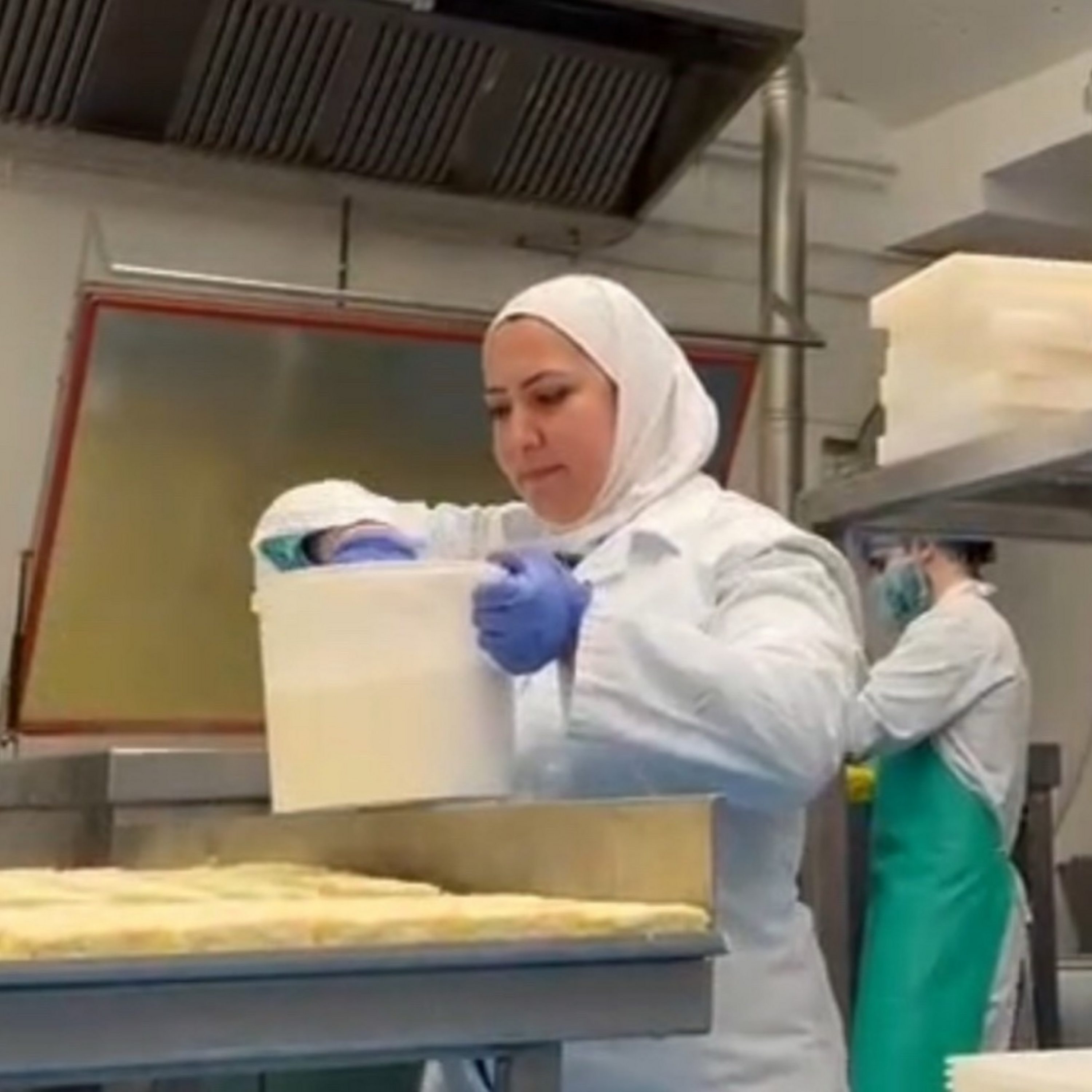
• Razan’s Entrepreneurial Journey to England: Razan fled Syria and found refuge in Yorkshire, England. After facing employment challenges, she started her own successful cheese-making business. Her business flourished, gaining recognition and even an opening by Princess Anne, demonstrating how a taste of home can fuel innovation.
• Mohammed Semra’s Path to Mayor: Originally from Sudan, Mohammed, arriving in Australia at age three with his mother and siblings, became the country’s first mayor of sub-Saharan African descent. He faced discrimination and systemic barriers, but his journey involved active community engagement and a desire to represent those often unheard.
• Leo Ikić’s Hip-Hop Roots and Transition: Leo, who fled Bosnia, discusses growing up in a liberal, mixed background where both sides were either Bosnian Muslim or Croatian Catholic. He found solace and identity in hip-hop culture, which he felt empowered even those from disadvantaged backgrounds. His transition to Norway was marked by the challenges of being an outsider and the importance of finding a place to belong.
• Viola Minala’s Resilience in Uganda: Viola, from South Sudan, shares her experience arriving in the Bidi Bidi refugee camp in Uganda with nothing. She details the essential support from organizations like Village Enterprise and Mercy Corps, which provided training in savings, business management, and entrepreneurship. This support enabled her to start a successful hair salon and improve her family’s life.
💡 Key Insights & Memorable Moments
• The shared human experience of displacement transcends borders and backgrounds, as seen in the common threads of resilience and the desire for safety and opportunity. • “The community that was in Sudan, the community that we were in was not as established as it is now.” - Mohammed Semra, highlighting the evolution of refugee support systems. • The power of cultural expression as a tool for identity and empowerment, particularly hip-hop, which Leo Ikić describes as a “third culture” that can be an advantage. • The profound impact of trauma, as Tam notes, “This is trauma, you know, this is what happens when you witness something that the human mind should not be witnessing. It’s the shadow that follows you wherever you go.”
🎯 Way Forward
- Invest in community-led support networks: Empowering organizations like Village Enterprise and Mercy Corps that provide practical skills and financial literacy is crucial for refugee self-sufficiency. This matters by enabling sustainable integration and economic independence.
- Leverage technology for accessible mental health resources: As seen with Jindawd’s platform, technology can bridge geographical and linguistic barriers to provide vital mental health support to displaced populations. This matters by offering support where traditional systems fall short.
- Promote diverse representation in leadership: Electing individuals like Mohammed Semra to positions of power ensures that the voices and experiences of refugees and minority groups are heard and considered in policy-making. This matters by fostering inclusive governance and a sense of belonging.
- Integrate entrepreneurial training into refugee aid: Providing refugees with the tools and resources to start their own businesses, like Razan’s cheese-making venture, can foster economic empowerment and a sense of purpose. This matters by creating opportunities for self-reliance and community contribution.
- Recognize mental health as a fundamental human right: Advocating for accessible and stigma-free mental health services for all, regardless of background, is essential for healing and rebuilding lives. This matters by addressing the long-term psychological impacts of displacement and fostering societal well-being.