
🎯 Core Theme & Purpose
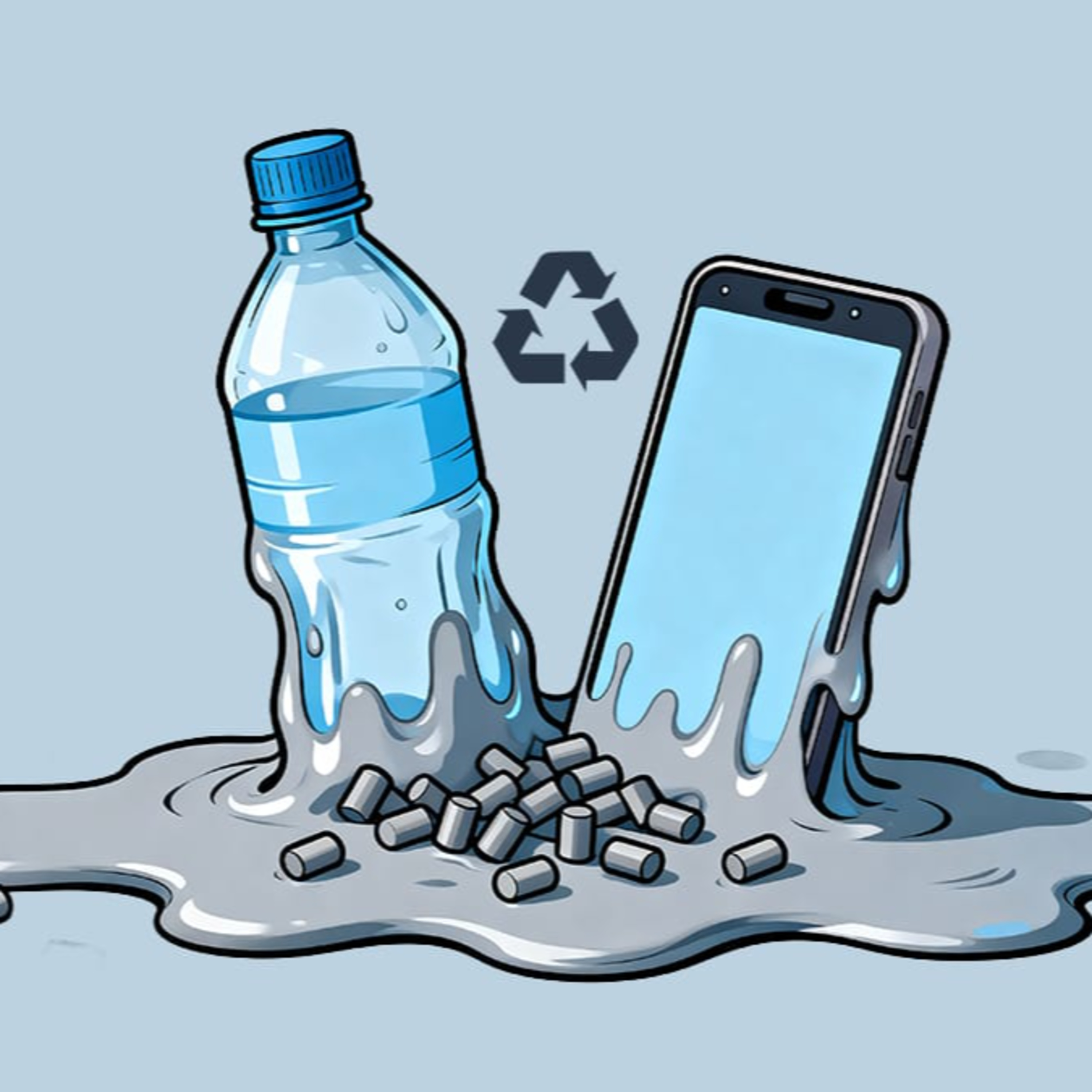
This episode delves into India’s Extended Producer Responsibility (EPR) framework for plastic and e-waste, revealing a critical loophole where compliance can be bought and sold, undermining the system’s environmental intent. It highlights how the focus has shifted from genuine recycling to certificate trading, impacting genuine recyclers and potentially the circular economy. The discussion is crucial for policymakers, manufacturers, brand owners, consumers, and anyone invested in effective waste management and sustainability in India.
📋 Detailed Content Breakdown
• The EPR Framework & Its Intent: India’s EPR regulations, including those for e-waste and plastic, mandate that producers and brand owners ensure their products are collected and recycled. This framework aims to create a circular economy by holding producers accountable for the end-of-life management of their products, rather than relying solely on municipal waste systems. The intention is to incentivize design for recyclability and reduce the burden on the environment.
• The Rise of EPR Certificate Trading: The system allows companies to outsource their recycling responsibilities to specialized recyclers, who then issue EPR certificates. These certificates represent a certain quantity of waste processed, and companies can purchase them to meet their compliance obligations without necessarily engaging in direct recycling. This has inadvertently created a market for these certificates, shifting the focus from physical waste management to financial transactions.
• Loopholes and the “Buy Compliance” Model: A significant loophole allows companies to meet their EPR targets by purchasing certificates rather than through direct, robust recycling processes. This incentivizes a scenario where “compliance can be bought and sold,” potentially leading to the issuance of more certificates than actual waste processed. This undermines the core environmental goals of the EPR framework.
• Impact on Genuine Recyclers: True recyclers, who invest in infrastructure and labor for effective waste processing, face disadvantages. They contend with higher operational costs and may not be able to compete with the lower prices offered by those who are gaming the system. This can lead to a disincentive for genuine investment in recycling and a potential decline in effective waste processing.
• The Shift from Waste Disposal to Material Integration: Recent regulatory changes are pushing towards a more effective model where companies are required to incorporate recycled materials back into their packaging. Targets for using recycled plastic are increasing over time, forcing companies to secure actual recycled material rather than just certificates. This aims to close the loop and create demand for recycled content.
• Enhancing Transparency and Traceability: Regulators are moving towards stricter oversight, including the implementation of digital platforms to track waste from producer to recycler. This aims to move beyond mere certificate verification to ensuring that reported waste processing is accurate and verifiable, thus reducing opportunities for fraud and misreporting.
💡 Key Insights & Memorable Moments
• “Compliance can be bought and sold.”: This statement starkly encapsulates the core problem of the EPR system, where the focus has shifted from actual waste management to acquiring certificates. • The revelation that in 2023, 6 lakh fake EPR certificates were unearthed across just three Indian states, highlighting the scale of the problem. • The system’s evolution from potentially allowing waste-to-energy or road construction as compliant disposal to now requiring actual recycling of materials, marking a significant shift in regulatory expectations. • “The more certificates they issue, the more money they make.”: This highlights the perverse incentive for recyclers to generate certificates, potentially detached from actual recycling volume or quality. • The significant economic value of e-waste, estimated at nearly $57 billion worth of recoverable materials annually, which remains largely untapped due to the system’s flaws.
🎯 Way Forward
- Strengthen Enforcement and Auditing: Implement rigorous, independent audits of recyclers and companies to verify the actual quantity and quality of waste processed, not just certificate issuance. This matters to ensure the EPR framework delivers on its environmental promise.
- Mandate Recycled Content Integration: Enforce and progressively increase targets for the mandatory use of recycled materials in new products and packaging. This directly stimulates demand for genuine recycled materials and closes the loop.
- Develop Robust Digital Tracking Systems: Expedite the rollout and ensure the comprehensive use of digital platforms for end-to-end traceability of waste streams, making it harder to falsify records. This increases transparency and accountability.
- Incentivize Genuine Recycling Infrastructure: Provide financial and policy support for recyclers who invest in advanced processing technologies and sustainable practices, leveling the playing field against those who game the system. This ensures the long-term viability of effective recycling operations.
- Public Awareness and Consumer Engagement: Educate consumers about the importance of proper waste disposal and the limitations of current systems, fostering a culture of responsible consumption and waste management. This builds a supportive ecosystem for the EPR framework.