
🎯 Core Theme & Purpose
This episode delves into the complex geopolitical landscape surrounding Iran’s nuclear program, particularly in the context of recent diplomatic developments and ongoing international scrutiny. It examines the challenges of verifying compliance with nuclear agreements and the historical difficulties faced by international inspectors. The discussion is crucial for policymakers, international relations students, and anyone seeking a deeper understanding of nuclear non-proliferation and the intricacies of international diplomacy in the Middle East.
📋 Detailed Content Breakdown
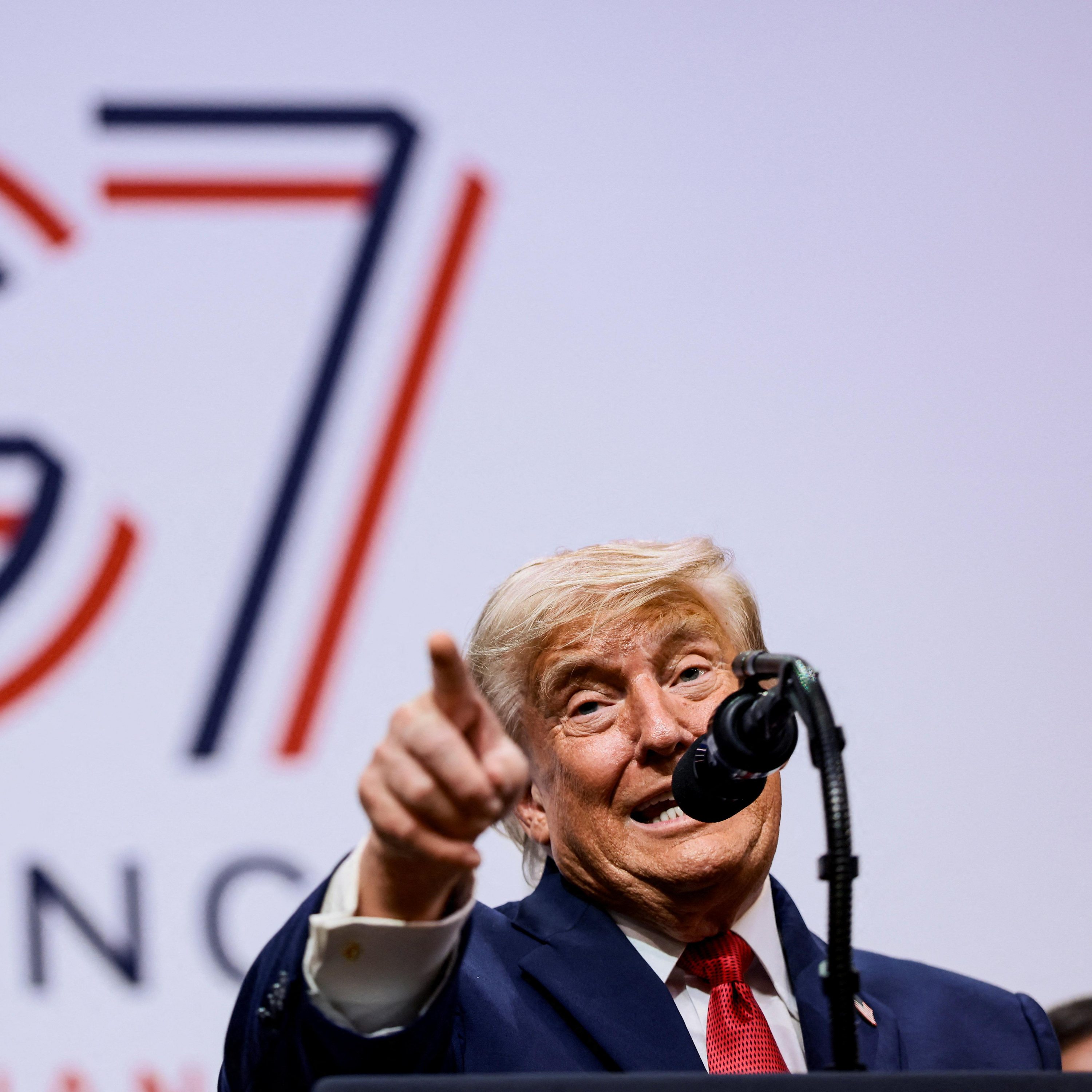
• The Iran Nuclear Deal and the US Withdrawal: The episode begins by referencing President Trump’s withdrawal from the Joint Comprehensive Plan of Action (JCPOA) and the subsequent re-imposition of sanctions. It highlights the US administration’s stance that Iran would never be allowed to possess a nuclear weapon, setting the stage for discussions on verification and enforcement.
• The Role and Challenges of Nuclear Inspectors: The function of nuclear inspectors is explained, emphasizing their mandate to verify declared nuclear activities and detect undeclared ones. The discussion points out the difficulties faced, particularly in countries like Iraq, where intelligence suggested the presence of a nuclear program despite denials. The importance of access to facilities and personnel is stressed.
• Iran’s Nuclear Program: Past and Present: The episode touches upon Iraq’s past nuclear program under Saddam Hussein, where inspectors faced significant challenges in verifying declarations. It then pivots to Iran, noting that while the JCPOA aimed to restrict its program, the US withdrawal has led to concerns about renewed development. The concept of “nuclear dust” is introduced, referring to potential contamination from destroyed or hidden nuclear facilities.
• Verification and Down-blending of Enriched Uranium: A key discussion point revolves around the JCPOA’s provisions for enriching uranium. The episode explains the concept of “down-blending,” where highly enriched uranium is mixed with less enriched material to reduce its weaponization potential. The complexities of verifying this process and determining Iran’s intentions are highlighted.
• The “Freeze” and Future Negotiations: The current phase involves Iran’s stated “freeze” of its nuclear program, which inspectors must verify. The future negotiations are expected to focus on key issues such as the duration of the freeze, the extent of enrichment, and the ultimate removal of enriched uranium stockpiles. The critical need for clear, verifiable commitments is emphasized.
💡 Key Insights & Memorable Moments
• The Nuance of “Nuclear Dust”: President Trump’s recurring reference to “nuclear dust” is analyzed, with the expert clarifying that it likely pertains to chemical contamination from facilities like the Tuwaitha site in Iraq, where destroyed or dismantled nuclear materials could pose a radioactive hazard if mishandled.
• “It’s a burden on their country’s future.”: This quote encapsulates the expert’s view on Iran’s continued pursuit of nuclear capabilities, suggesting that the economic and political costs far outweigh any perceived benefits.
• The Difficulty of Verifying the “Freeze”: A significant insight is the challenge of verifying a “freeze” on nuclear activities, particularly when facilities are dismantled or efforts are made to conceal them. The expert highlights the need for continuous monitoring and robust intelligence.
• The Importance of “Positive Assurance”: The expert stresses that beyond simply detecting undeclared activities, inspectors need “positive assurance” that a country is not pursuing nuclear weapons. This involves a comprehensive understanding of a nation’s entire nuclear fuel cycle and its intentions.
🎯 Way Forward
- Strengthen Verification Mechanisms: Invest in advanced technologies and expand the scope of on-site inspections to ensure comprehensive monitoring of Iran’s nuclear facilities and activities, addressing the challenges of concealed or dismantled programs.
- Demand Clear, Unambiguous Commitments: Future agreements must use precise language to ban the production, testing, and acquisition of nuclear weapons, avoiding vague terms that allow for misinterpretation or loopholes.
- Focus on Economic and Political Incentives for Denuclearization: While sanctions can be a tool, explore diplomatic and economic incentives that make denuclearization a more attractive and beneficial path for Iran’s long-term stability and prosperity.
- Maintain International Unity on Non-Proliferation: Foster strong international consensus and cooperation among global powers to uphold non-proliferation norms and hold states accountable for any violations, ensuring a united front against nuclear weapon development.
- Promote Transparency and Public Trust: Encourage open communication from all parties involved in nuclear negotiations and verification processes to build public confidence and support for international non-proliferation efforts.