
🎯 Core Theme & Purpose
This episode, presented by the BBC, delves into the phenomenon of right-wing political narratives and their influence on public discourse and media consumption, particularly through the lens of online platforms and film. It examines how certain films and media cater to and amplify these narratives, exploring the motivations behind their creation and reception. This analysis is particularly relevant for individuals interested in media studies, political science, and understanding the broader cultural impact of contemporary digital and cinematic trends.
📋 Detailed Content Breakdown
• US Bicentennial and Global Influence: The episode opens by acknowledging the upcoming 250th anniversary of the United States. It highlights a BBC podcast series exploring surprising tales of American influence worldwide, both on a global stage and in ordinary people’s lives. This sets a context for discussing American cultural exports and their impact.
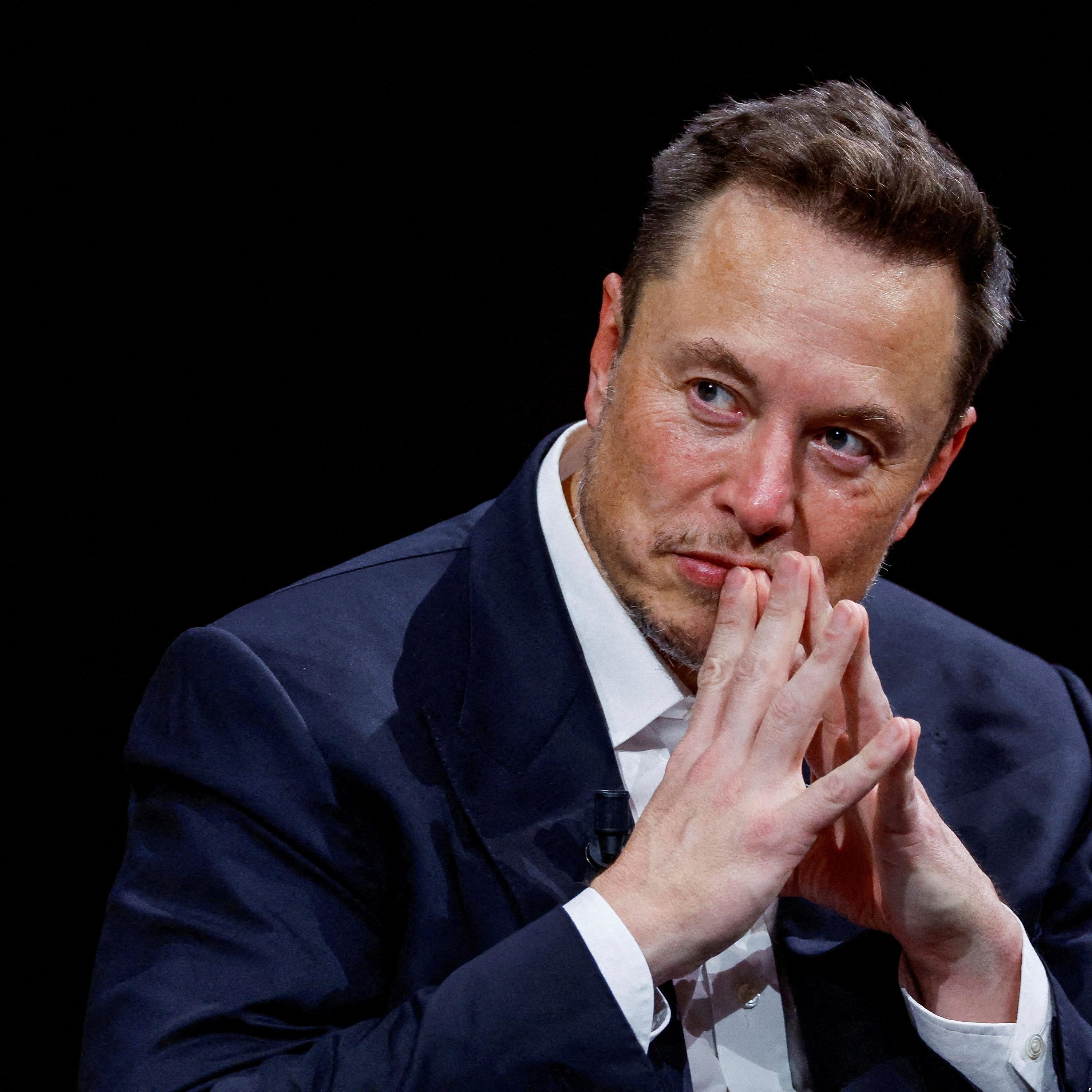
• Elon Musk’s Critique of Hollywood and “Woke Culture”: The discussion highlights Elon Musk’s vocal criticism of Christopher Nolan’s film “The Odyssey” and its casting, specifically targeting the actress playing a central character. Musk’s stance reflects a broader conservative critique of perceived “woke culture” in Hollywood, suggesting a political rebalancing is desired.
• “Citizen V” as a Case Study: The episode focuses on the film “Citizen Vigilante,” described as a violent thriller with a right-wing bent. It details how the film portrays a dystopian Europe overrun by migrant gangs and portrays a disgraced Hollywood actor seeking a comeback as a vigilante. The film’s narrative directly aligns with far-right talking points about uncontrolled migration and societal decay.
• Armie Hammer’s Comeback and the Film’s Controversial Narrative: The discussion addresses the casting of Armie Hammer in “Citizen Vigilante,” noting his own past controversies. It explores the film’s plot where his character, Michael Sanders, an ex-US Army soldier, inherits a property empire and acts as a vigilante. The film depicts him as a hero, despite his character being an illegal immigrant who engages in widespread violence against migrants and law enforcement.
• The Director’s Motivation and Political Messaging: The director, Uwe Boll, is cited as being inspired by a real-life crime incident in Hamburg involving migrant gangs. Boll’s public statements reveal a strong anti-immigration stance, framing the film as a response to perceived societal breakdown and a critique of liberal elites and justice systems failing to address these issues. The film’s ending, dedicating it to victims of rape and murder, further underscores its polarizing political message.
💡 Key Insights & Memorable Moments
• The “Strasand Effect” Amplification: The episode suggests that banning or censoring controversial films, like “Citizen Vigilante” in Germany, can paradoxically increase their visibility and impact, a phenomenon likened to the “Strasand Effect.”
• “Citizen Vigilante” as Propaganda: The analysis strongly posits that “Citizen Vigilante” functions as propaganda, with its overt political messaging, clear-cut good versus evil narrative (casting immigrants and liberal elites as villains), and extreme portrayal of societal collapse.
• Armie Hammer’s Role as a “Hero”: The irony of Armie Hammer, an actor himself facing allegations, playing a vigilante who violently targets migrants and law enforcement is a striking point, highlighting the film’s complex and potentially self-referential narrative choices.
• Elon Musk’s Online Influence: The episode underscores the power of individuals like Elon Musk to shape media narratives and drive attention to specific content through their vast online platforms, as demonstrated by his promotion of “Citizen Vigilante.”
🎯 Way Forward
- Promote Media Literacy: Educate audiences on identifying and critically analyzing political narratives embedded within entertainment media, differentiating between storytelling and propaganda. This is crucial for fostering informed citizenship in a digitally saturated world.
- Support Independent and Diverse Voices: Encourage and amplify a wider range of filmmaking perspectives beyond those aligned with specific political agendas, ensuring a more balanced and nuanced cinematic landscape. This fosters richer cultural dialogue.
- Investigate Algorithmic Amplification: Further research the role of social media algorithms in promoting polarizing content and influencing public opinion, particularly concerning the spread of right-wing narratives and misinformation. Understanding these mechanisms is vital for mitigating their negative effects.
- Engage in Constructive Dialogue: Foster platforms and discussions that allow for critical engagement with politically charged media, encouraging nuanced debate rather than outright censorship or uncritical acceptance. This promotes understanding across ideological divides.
- Hold Creators Accountable for Messaging: Encourage responsible content creation, where filmmakers and media producers are mindful of the societal implications of their narratives and the potential for them to incite division or misinformation. This promotes ethical storytelling.