
🎯 Core Theme & Purpose
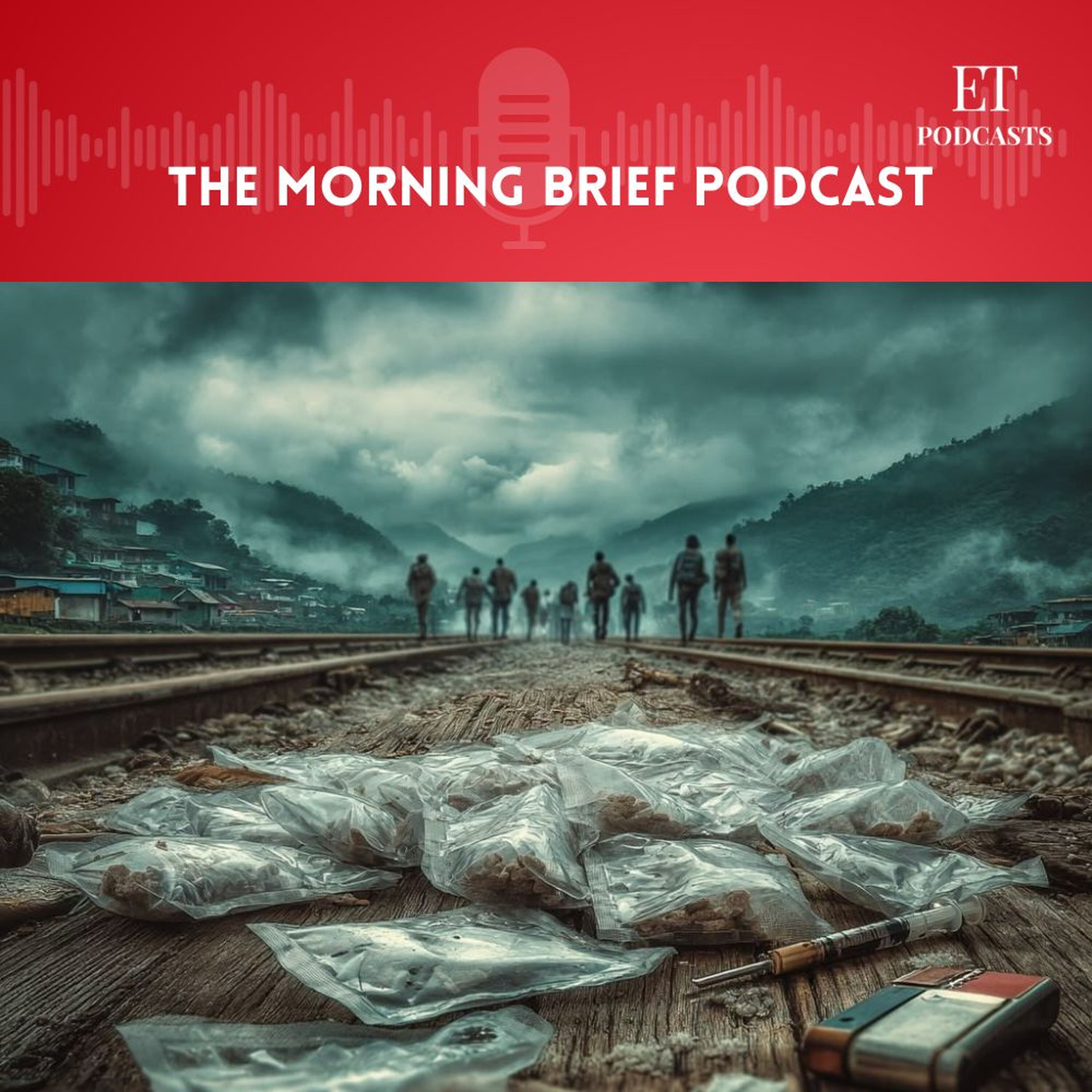
This episode delves into the deepening drug crisis along the India-Myanmar border, transforming a historical drug transit route into a consumption hotspot. It highlights the human stories behind addiction, tracing individual journeys from experimentation to dependency and the struggle for recovery. The discussion is crucial for policymakers, social workers, community leaders, and anyone concerned about the escalating drug menace in Northeast India.
📋 Detailed Content Breakdown
• The Shifting Landscape of Drug Trafficking: Once merely a transit route for drugs from the Golden Triangle to India, Northeast India, particularly Arunachal Pradesh and Assam, is now a significant consumption zone. This shift is driven by the accessibility and increasing demand for drugs like heroin and brown sugar, with significant seizures and arrests highlighting the scale of the problem. The report notes that despite being identified as a hotspot, these states see comparatively fewer arrests than Punjab and Rajasthan, suggesting a complex and possibly underestimated crisis.
• The Human Face of Addiction: Yano’s Story: The episode begins with the deeply personal account of Yano, who, as a class nine student, was introduced to heroin (referred to as “brown sugar”). Her journey illustrates the insidious nature of addiction, starting with a desire for an “intense high” and escalating to a daily dependency, costing INR 1500 per day. Her story, anonymized for privacy, underscores the vulnerability of young people and the long, arduous path to recovery, involving multiple rehabilitation attempts.
• Brown Sugar to Heroin: A Potent Escalation: The narrative traces the progression from less potent substances like cannabis and brown sugar to potent heroin. Former users describe distinguishing between various grades of brown sugar, with “pagla brown sugar” (mad brown sugar) being significantly more potent and addictive. This escalation highlights the increasing strength and accessibility of drugs, making users lose control and engage in desperate acts like theft and violence.
• The Complex Network of Drug Distribution: Drug distribution in the region operates on a cash-only basis, involving local peddlers who act as intermediaries between larger distributors in hubs like Guwahati and consumers in smaller towns like Jonai. These peddlers often have local connections and are adept at discreetly facilitating transactions, making the drugs remarkably accessible, even away from international borders. The ease and informality of these exchanges contribute significantly to the problem.
• Community-Based Recovery and Traditional Justice: Recognizing the limitations of formal justice systems, communities in regions like Nagaland and Arunachal Pradesh are adopting alternative approaches. In Vonya, the organization “Recovering Warriors” focuses on building a strong community support system for former users, incorporating sports and mutual support. In contrast, some Naga communities are utilizing traditional laws to punish traffickers and compel users into rehabilitation, demonstrating a multi-pronged strategy to combat addiction at its roots.
💡 Key Insights & Memorable Moments
• The “Brown Sugar” Phenomenon: The term “brown sugar” is used for a cheaper, less pure form of heroin, highlighting a significant entry point for addiction. Its accessibility and perceived lower risk compared to pure heroin have made it a major driver of the crisis in Northeast India.
• “Pagla Brown Sugar”: The mention of a particularly potent and dangerous variant of brown sugar underscores the escalating strength of drugs available in the region, leading users to lose self-control and engage in destructive behavior.
• The Shift from Transit to Consumption: A counterintuitive revelation is how a region historically known for drug transit has become a major hub for drug consumption, indicating a failure in prevention and a rise in local demand.
• “Recovery is about much more than just detoxification.”: This quote from Tapir Da Rang, chief advisor to the All Arunachal Anti-Drugs Warriors, emphasizes the holistic nature of recovery, highlighting the importance of community, purpose, and rebuilding one’s life beyond just abstaining from drugs.
• The Fear of Inherited Addiction: For parents who have recovered from addiction, the most profound fear is their own children succumbing to the same fate, demonstrating the intergenerational impact of the drug crisis.
🎯 Way Forward
- Strengthen Community-Led Intervention Programs: Support and scale up grassroots organizations like “Recovering Warriors” that provide holistic recovery support, including community building, sports, and emotional well-being initiatives. This matters because community support is crucial for sustained recovery and preventing relapse.
- Integrate Traditional Justice Systems with Formal Law Enforcement: Explore and formalize the use of traditional tribal laws in regions like Nagaland for addressing drug offenses, complementing formal legal structures and ensuring swifter, community-sanctioned justice for traffickers and users. This matters because it leverages existing social capital for a more effective and culturally relevant approach to drug control.
- Enhance Cross-Border Cooperation and Intelligence Sharing: Foster robust collaboration between Indian and Myanmar authorities to disrupt drug supply chains at their source, focusing on intelligence gathering and interdiction operations targeting kingpins and major trafficking routes. This is critical for stemming the flow of drugs into the region.
- Implement Targeted Prevention and Education Programs for Youth: Develop and deliver culturally sensitive drug awareness and prevention programs in schools and communities, focusing on the risks associated with various drugs, including “brown sugar,” and providing accessible pathways to help for those struggling. This matters for building resilience and preventing the next generation from falling victim.
- Invest in Accessible and Affordable Rehabilitation Centers: Increase the availability of de-addiction and rehabilitation facilities, particularly in remote and underserved areas, ensuring that treatment is affordable and accessible to all, regardless of socioeconomic status. This is essential for providing a lifeline to those seeking to escape addiction.