
🎯 Core Theme & Purpose
This episode analyzes the complex geopolitical landscape of West Asia, focusing on Pakistan’s emerging role as an intermediary between the US and Iran amidst the ongoing crisis. It also delves into the shifting dynamics of the Tamil Nadu assembly elections, highlighting the fragmentation of traditional political alliances. The discussion offers valuable insights for those interested in international relations, regional security, and Indian politics, particularly the intricacies of election strategies and coalition building.
📋 Detailed Content Breakdown
• Pakistan’s Geopolitical Mediation: Pakistan has emerged as a key intermediary between the United States and Iran, a role underscored by its involvement in delivering a peace plan from the US to Iran, which was subsequently rejected. This highlights Pakistan’s strategic position in navigating regional tensions and its potential influence in de-escalating the West Asian crisis. The US has engaged with Pakistan to mediate, recognizing its historical ties and influence.
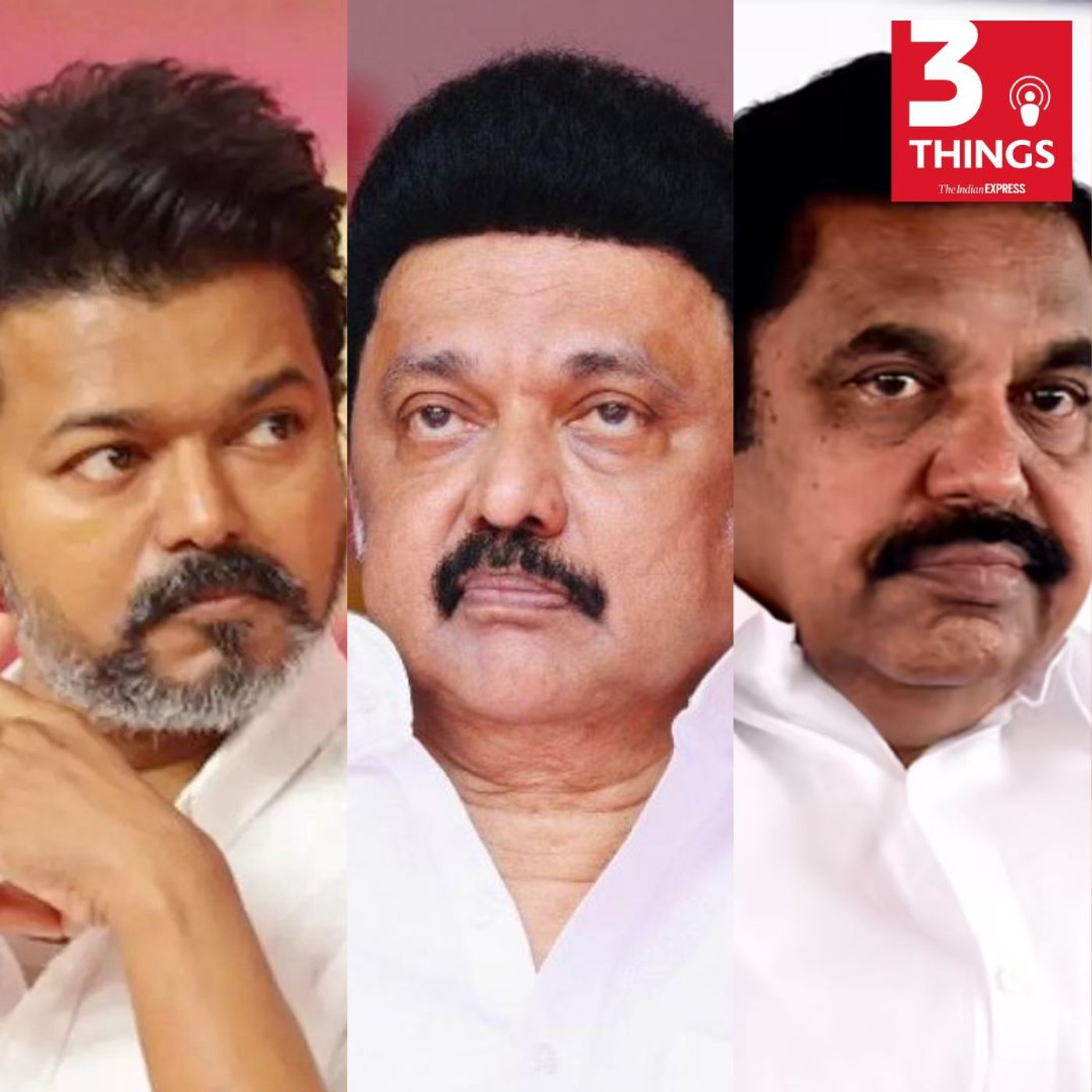
• Tamil Nadu Election Dynamics: The Tamil Nadu assembly elections are moving away from a traditional two-front contest towards a more fragmented, multi-cornered battle. While the DMK and AIADMK remain major players, the emergence of smaller fronts and the complexity of alliances signal a shift in the state’s political landscape. This fragmentation could lead to unpredictable outcomes where even minor shifts in vote share might decide the election.
• Shifting Political Alliances in Tamil Nadu: The once dominant bipolarity between the DMK and AIADMK is now challenged by a wider array of political actors. The episode details the formation of multiple alliances, including those involving Congress, BCK, CPM, CPI, TTV Dhinakaran, and S. Ramadoss, demonstrating a more fluid and complex electoral environment. This signals a departure from the established political order and presents new challenges for established parties.
• Rise of Kamal Haasan’s Makkal Needhi Maiam (MNM): Kamal Haasan’s party, TVK (Tamizhaga Vetri Kazhagam), is making its electoral debut, presenting a potential disruptor in the Tamil Nadu political scene. The focus is not just on its ability to win seats but on its potential to influence vote splits and reconfigure electoral margins, especially among younger, urban, and protest-minded voters disillusioned with traditional parties. This represents a significant new factor in the electoral calculus.
• The BJP’s Strategic Maneuvers in Tamil Nadu: The BJP is navigating a complex path in Tamil Nadu, aligning with the AIADMK-led alliance and attempting to expand its footprint. However, the state’s unique political culture, where Hindu symbolism is deeply embedded but anti-Brahmin sentiment is strong, poses challenges to the BJP’s Hindutva narrative. Their strategy involves a delicate balancing act to consolidate Hindu votes while avoiding alienating other communities.
• Challenges for New Entrants and Established Parties: New political forces like Kamal Haasan’s party face significant hurdles in terms of candidate viability, campaign financing, and securing alliances. Simultaneously, established parties like the DMK are expanding their coalition structures, which, while appearing formidable, also introduce internal pressures and demands from alliance partners. This dynamic creates a complex electoral environment with uncertain outcomes.
• Pakistan’s Role in the West Asian Crisis: Pakistan’s actions, including offering mediation and engaging with both the US and Iran, highlight its evolving geopolitical significance. While its mediation efforts have historical precedent, the current context is shaped by the US-Iran impasse and the broader implications for global energy markets and regional stability. The US views Pakistan as a crucial interlocutor given its relationships with both involved parties.
• Iran’s Response and Regional Ramifications: Iran’s rejection of a US-proposed peace plan, delivered via Pakistan, underscores the deep-seated mistrust and complex dynamics at play. The ongoing conflict and Iran’s alignment with Houthi rebels pose a significant risk of further regional escalation, impacting global energy supplies and international security. This highlights the volatility of the situation and the challenges in finding diplomatic solutions.
• Conservation Breakthrough for the Great Indian Bustard: In a significant conservation success, a Great Indian Bustard chick has hatched in Gujarat, marking a rare moment of hope for the critically endangered species. This event, achieved through a jump-start breeding method involving transplanting a fertile egg, is crucial given the drastically low wild population and previous reproductive challenges. It offers a potential pathway for species recovery in other endangered bird populations.
💡 Key Insights & Memorable Moments
• Pakistan’s Multifaceted Diplomacy: Pakistan’s strategic positioning as a mediator between the US and Iran, coupled with its existing influence in Afghanistan and historical ties, makes it a critical, albeit complex, player in West Asian diplomacy. The episode highlights the delicate balance Pakistan must maintain to leverage this role effectively.
• Tamil Nadu’s Fragmented Electoral Future: The shift from a bipolar to a fragmented political landscape in Tamil Nadu, driven by new alliances and the entry of prominent figures like Kamal Haasan, suggests a more unpredictable electoral future. This fragmentation presents opportunities for smaller parties but also challenges for traditional power structures.
• The Delicate Balance of US-Iran Relations: Pakistan’s intermediary role in the US-Iran standoff highlights the deep mistrust between the two nations. Iran’s rejection of the US peace plan, despite delivery through Pakistan, points to the significant challenges in achieving diplomatic breakthroughs in the region.
• Hope for the Critically Endangered: The successful hatching of a Great Indian Bustard chick in Gujarat, using the jump-start method, offers a critical beacon of hope for conservation efforts worldwide. This breakthrough demonstrates the potential of innovative techniques to address species extinction, particularly when natural breeding has failed.
• Quote: “The fragmentation of traditional political alliances in Tamil Nadu suggests a more unpredictable electoral future.” (Paraphrased insight from the episode)
🎯 Way Forward
- Strengthen Diplomatic Channels: Continue to leverage Pakistan’s unique position to foster dialogue between the US and Iran, seeking de-escalation and a path towards a lasting diplomatic resolution to the West Asian crisis. Why it matters: This could prevent further regional destabilization and protect global energy security.
- Support Fragmented Coalitions: Political parties in Tamil Nadu should focus on building robust and inclusive coalitions that can effectively address voter concerns across diverse demographics, rather than relying on traditional power bases. Why it matters: This could lead to more representative governance and cater to the evolving electorate’s demands.
- Innovate Conservation Strategies: Implement and scale the “jump-start” breeding technique for the Great Indian Bustard and other critically endangered species, focusing on habitat restoration and addressing threats like human-wildlife conflict and poaching. Why it matters: This offers a viable solution to prevent species extinction and preserve biodiversity.
- Enhance Electoral Transparency: Given the increasing complexity of election financing and candidate selection, regulatory bodies should focus on ensuring transparency and fairness in campaign funding and candidate vetting to maintain public trust in the electoral process. Why it matters: This safeguards democratic integrity and promotes equitable competition.
- Foster Regional Energy Security: International cooperation is crucial to ensure stable global energy supplies amidst geopolitical crises, potentially involving diversified energy sources and enhanced diplomatic efforts to secure maritime trade routes. Why it matters: This mitigates economic volatility and ensures consistent energy access for nations worldwide.