
🎯 Core Theme & Purpose
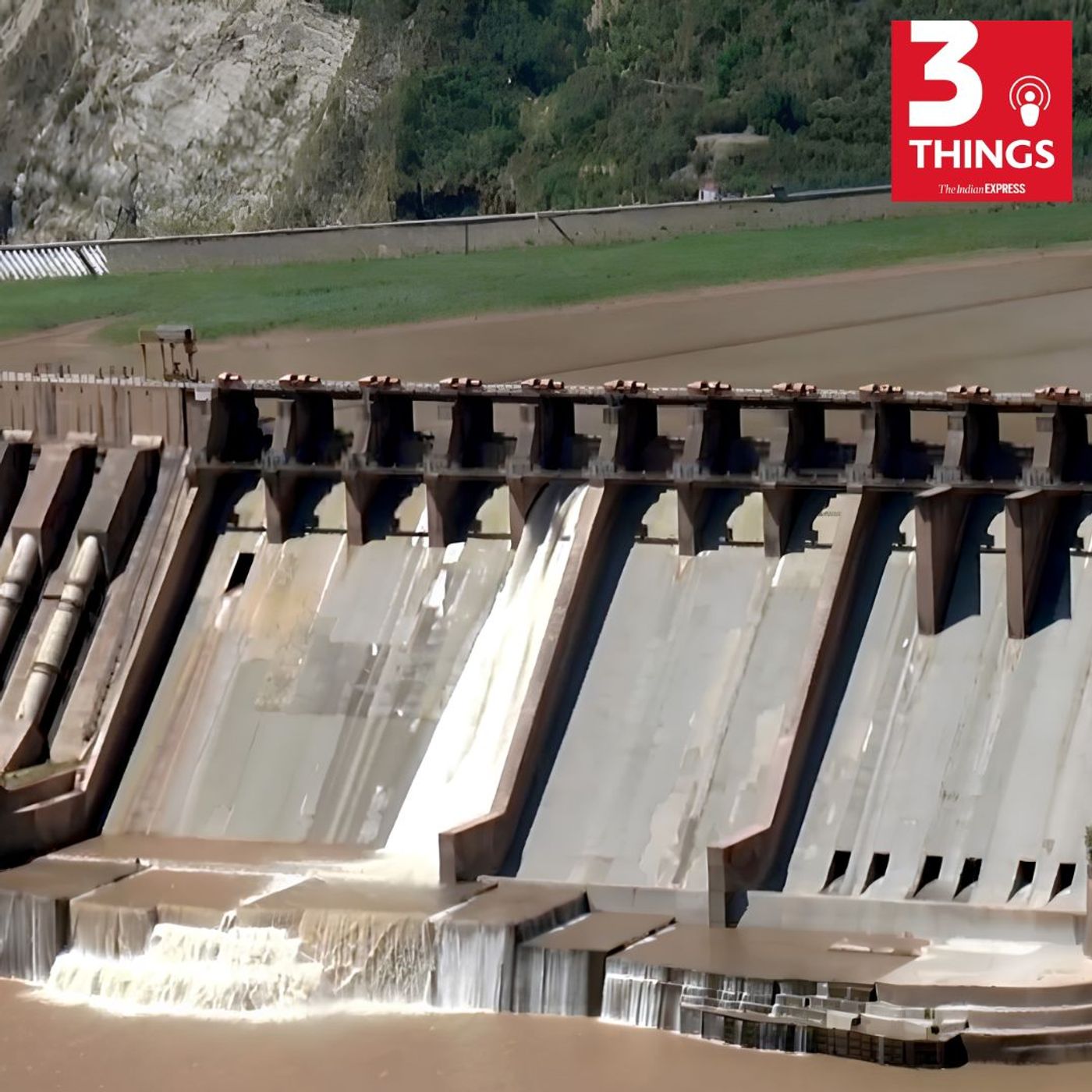
This episode delves into the contentious issue of India’s Indus Waters Treaty with Pakistan, exploring the country’s decision to hold it in abeyance and the reasons behind it. It also touches upon crucial environmental and agricultural disputes in India, highlighting the complexities of resource management and geopolitical relations. The discussion is particularly relevant for policymakers, environmentalists, legal experts, and anyone interested in the intricate water diplomacy between India and Pakistan.
📋 Detailed Content Breakdown
• India’s Stance on Indus Waters Treaty: India has put the Indus Waters Treaty with Pakistan in abeyance, signaling a shift from its historically cooperative approach. This decision stems from evolving ground realities and a perceived need to leverage the treaty as a diplomatic tool, particularly after the Pulwama terrorist attack. This marks a significant departure from decades of adherence to the treaty despite ongoing tensions.
• Historical Context and Treaty Structure: The Indus Waters Treaty, signed in 1960, has been remarkably successful in surviving wars and conflicts, often attributed to India’s role as the upper riparian state bearing most obligations. The treaty uniquely assigns entire rivers to either Pakistan (western rivers) or India (eastern rivers), allowing for limited usage by the other side under specific conditions. This rigid structure is now being questioned by India.
• Re-evaluation of the Treaty’s Relevance: India argues that the treaty’s original conditions no longer reflect the current water demands, climate change impacts, and new land-use patterns. The country is pushing for re-negotiation, citing the need for a more flexible and modern water-sharing arrangement. This is a direct response to the geopolitical shifts and environmental changes of the past 65 years.
• The Missing Element: Groundwater: A critical oversight in the treaty is its exclusion of groundwater resources, which are transboundary and unaffected by political borders. Modern water-sharing agreements typically address environmental flows and pollution loads, aspects that the 1960 treaty fails to incorporate. India seeks a more comprehensive approach that includes these crucial elements.
• Rajasthan Farmers’ Opposition to GI Tags: Farmers in Rajasthan are challenging the Geographical Indication (GI) tags granted to Jira and Sonf from Una-Gujarat. Their argument is that Una is primarily a market and not the origin of these seeds, while similar quality produce is grown in Rajasthan. This dispute highlights the complexities of GI tag allocation and potential economic impacts on producers in neighboring regions.
• Railway Expansion Through Tiger Corridors: The approval of a third railway line through the Satpura-Mahaalghat tiger corridor raises significant environmental concerns. Despite the National Board for Wildlife’s clearance, the project’s impact on wildlife movement, genetic diversity, and the fragmentation of vital tiger habitats remains a major point of contention. The adequacy of the proposed mitigation measures is under scrutiny.
💡 Key Insights & Memorable Moments
- “Blood and water cannot flow together”: This iconic statement by Prime Minister Narendra Modi in 2016 encapsulates India’s hardening stance on the Indus Waters Treaty following terrorist incidents. It signifies a potential shift towards using water as a weapon or leverage in geopolitical disputes.
- GI Tags as Market vs. Origin: The conflict over the Jira and Sonf GI tags highlights a crucial debate: whether these tags should protect specific geographical origins of cultivation or simply denote a market center where a product is traded. This distinction has significant economic implications for farmers in different regions.
- “The Indus Waters Treaty is dead, at least as far as India is concerned.”: This assertion reflects India’s current official position, indicating a strong desire for re-negotiation or a complete overhaul of the treaty. It underscores the treaty’s perceived obsolescence in the face of contemporary challenges.
- Insufficient Wildlife Mitigation for Railway Projects: The approval of the railway line through a critical tiger corridor, with mitigation measures based on preliminary assessments rather than thorough scientific study, raises serious concerns about the long-term ecological consequences. This points to a potential disconnect between development needs and robust wildlife conservation strategies.
🎯 Way Forward
- Initiate Bilateral Dialogue for Treaty Re-negotiation: India should actively pursue diplomatic channels to engage Pakistan in a dialogue for re-negotiating the Indus Waters Treaty, emphasizing the need for a modern framework that accounts for climate change and groundwater. This proactive approach could lead to a more sustainable and equitable water-sharing agreement.
- Strengthen GI Tag Verification Processes: The Geographical Indication Registry should implement more rigorous scientific and anthropological verification for GI tag applications, ensuring that tags are awarded based on genuine geographical origin and unique cultivation practices, not just market presence. This will protect the integrity of the GI system and prevent disputes like the one in Rajasthan.
- Mandate Comprehensive Environmental Impact Assessments for Infrastructure: For all infrastructure projects impacting ecologically sensitive areas like tiger corridors, a thorough, independent, and science-based Environmental Impact Assessment (EIA) must be mandatory. This should include detailed analysis of wildlife movement, genetic connectivity, and potential long-term ecological repercussions.
- Prioritize Wildlife Corridor Protection and Restoration: Instead of just approving mitigation measures, focus should be on safeguarding and restoring critical wildlife corridors. This might involve exploring alternative routes for infrastructure, creating dedicated underpasses/overpasses, and ensuring habitat contiguousness for long-term species survival.
- Consider Joint River Basin Management for Shared Resources: Beyond the Indus, for other transboundary rivers, both India and Pakistan should explore mechanisms for collaborative river basin management. This could involve data sharing on water flow, pollution monitoring, and joint strategies for addressing water scarcity and climate impacts, fostering regional cooperation.