
🎯 Core Theme & Purpose
This episode dissects critical issues surrounding government recruitment and surveillance in India. It delves into the controversy surrounding the Jharkhand Public Service Commission’s recruitment process and the broader implications of facial recognition technology’s use in public spaces. The discussion is essential for citizens concerned about fair governance, individual privacy, and the potential for state overreach, as well as policymakers and legal experts grappling with these complex challenges.
📋 Detailed Content Breakdown
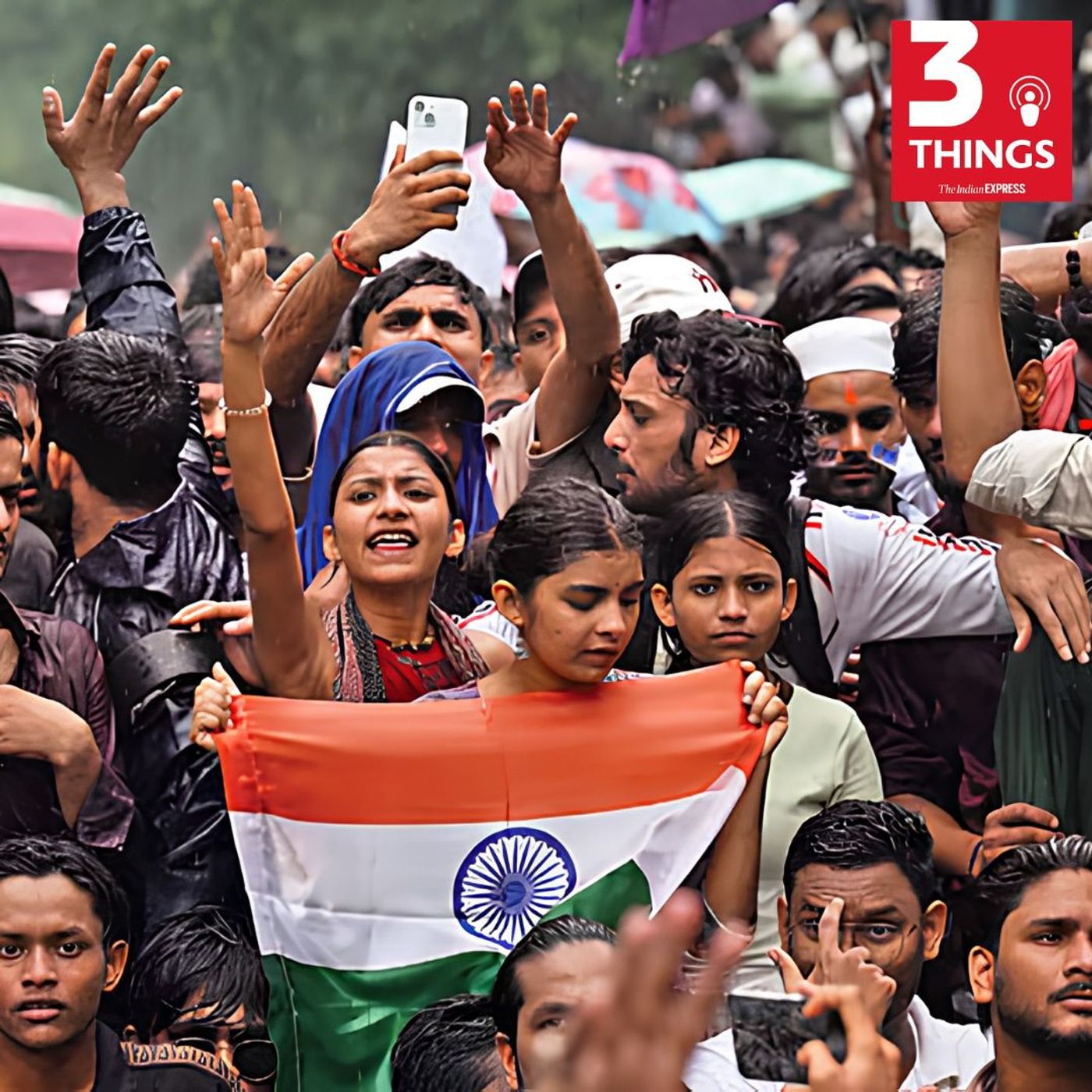
• Jharkhand PSC Recruitment Controversy: Allegations of irregularities in the 14th Combined Civil Services Examination in Jharkhand have sparked widespread protests. Candidates have raised concerns about the exam’s conduct, including the release of results and potential manipulation of answer sheets, leading to a CID investigation and arrests. This controversy is part of a recurring pattern of issues plaguing Jharkhand’s recruitment system since its formation.
• Surveillance Technology and Privacy Concerns: A Public Interest Litigation (PIL) filed in the Delhi High Court challenges the use of permanent surveillance tech, including AI-powered facial recognition and high-tech police vans, to monitor protesters at Jantar Mantar. The petition argues this constitutes continuous, indiscriminate, and intrusive surveillance, violating fundamental rights to privacy and dignity. The court will weigh the state’s interest in security against individual liberties.
• Legal Framework for Surveillance: The discussion highlights a significant regulatory vacuum in India regarding the use of facial recognition technology by law enforcement. While the Digital Personal Data Protection Act exists, it grants broad exemptions to government agencies, leaving a lack of clear guidelines on data collection, storage, and usage. This legal ambiguity allows for potential misuse and hinders accountability.
• Impact on Right to Protest: The pervasive use of surveillance technology is argued to have a chilling effect on citizens’ right to protest. The fear of being profiled, recorded, and potentially facing disciplinary action or future repercussions may deter individuals from exercising their freedom of speech and assembly. This raises concerns about the erosion of democratic participation.
• Balancing Security and Liberty: The episode underscores the critical challenge for India in balancing public security needs with citizens’ fundamental rights to privacy and dissent. Drawing parallels with the EU’s AI Act, which restricts real-time public facial recognition, the discussion suggests a need for stricter legal frameworks and independent oversight. The lack of such safeguards risks normalizing unchecked state surveillance.
• Union Minister’s Returned Subsidy: Union Minister Bhagirath Chaudhary returned a subsidy of ₹99 lakh received for his cucumber farm under a government scheme administered by his own ministry. This action raises concerns about potential conflicts of interest, particularly as the scheme aims to promote large-scale commercial cultivation. While the subsidy was returned, the transparency and ethical implications of such arrangements remain under scrutiny.
💡 Key Insights & Memorable Moments
• Recurring Systemic Failure: The Jharkhand PSC recruitment process isn’t an isolated incident but a recurring problem, with allegations of irregularities in almost every major examination since the state’s inception in 2000. This points to systemic issues rather than isolated mistakes.
• “Chilling Effect” of Surveillance: The use of surveillance technology in protests is highlighted as having a “chilling effect,” making citizens hesitant to participate due to fear of profiling and future repercussions, thereby undermining democratic rights.
• The “Irony” of Protester Surveillance: The Solicitor General’s argument that protesters claiming privacy rights while recording videos is “ironical” highlights a contentious aspect of the surveillance debate.
• “Normalizing Algorithmic Policing”: The comparison to China’s extensive algorithmic policing underscores the potential trajectory India might take if unchecked surveillance technologies are widely deployed.
• Ministerial Conflict of Interest: The instance of Bhagirath Chaudhary returning a large subsidy for a farm managed under a scheme from his own ministry raises questions about institutional integrity and potential conflicts of interest within government.
🎯 Way Forward
- Establish Clear Legal Frameworks for AI and Surveillance: Implement comprehensive laws, akin to the EU’s AI Act, that define permissible uses of facial recognition and AI surveillance by government agencies, especially in public spaces, with strict safeguards and prior judicial authorization. This matters for protecting fundamental rights.
- Strengthen Independent Oversight Mechanisms: Create robust, independent bodies to oversee the deployment and use of surveillance technologies by law enforcement, ensuring transparency and accountability. This matters for preventing misuse and building public trust.
- Reform and Streamline Recruitment Processes: Implement stringent measures to ensure transparency, fairness, and accountability in all government recruitment processes, including timely release of information, standardized evaluation criteria, and independent review mechanisms. This matters for meritocracy and equitable opportunity.
- Address Conflicts of Interest in Governance: Enforce strict ethical guidelines and disclosure requirements for public officials regarding their participation in or benefit from government schemes. This matters for maintaining public trust and preventing the misuse of power.
- Promote Digital Literacy and Rights Awareness: Educate citizens about their digital privacy rights and the implications of surveillance technologies, empowering them to advocate for stronger protections. This matters for informed civic engagement.