
🎯 Core Theme & Purpose
This episode delves into the critical early years of child development and the significance of consistent care, nutrition, and emotional support. It highlights Haryana’s pioneering policy on quality child care, making it a first in India. This discussion is particularly relevant for parents, policymakers, and educators invested in fostering a strong foundation for early childhood development and lifelong learning.
📋 Detailed Content Breakdown
- The Cruciality of Early Childhood Development: The episode emphasizes that the initial years of a child’s life lay the groundwork for language skills, emotional bonds, curiosity, and the ability to learn throughout life. Consistent care, nutrition, and emotional support are identified as foundational elements for this development.
- Haryana’s Landmark Child Care Policy: In response to the recognized importance of early childhood, Haryana has become the first Indian state to introduce a dedicated policy aimed at improving the accessibility and quality of child care services for families across the state.
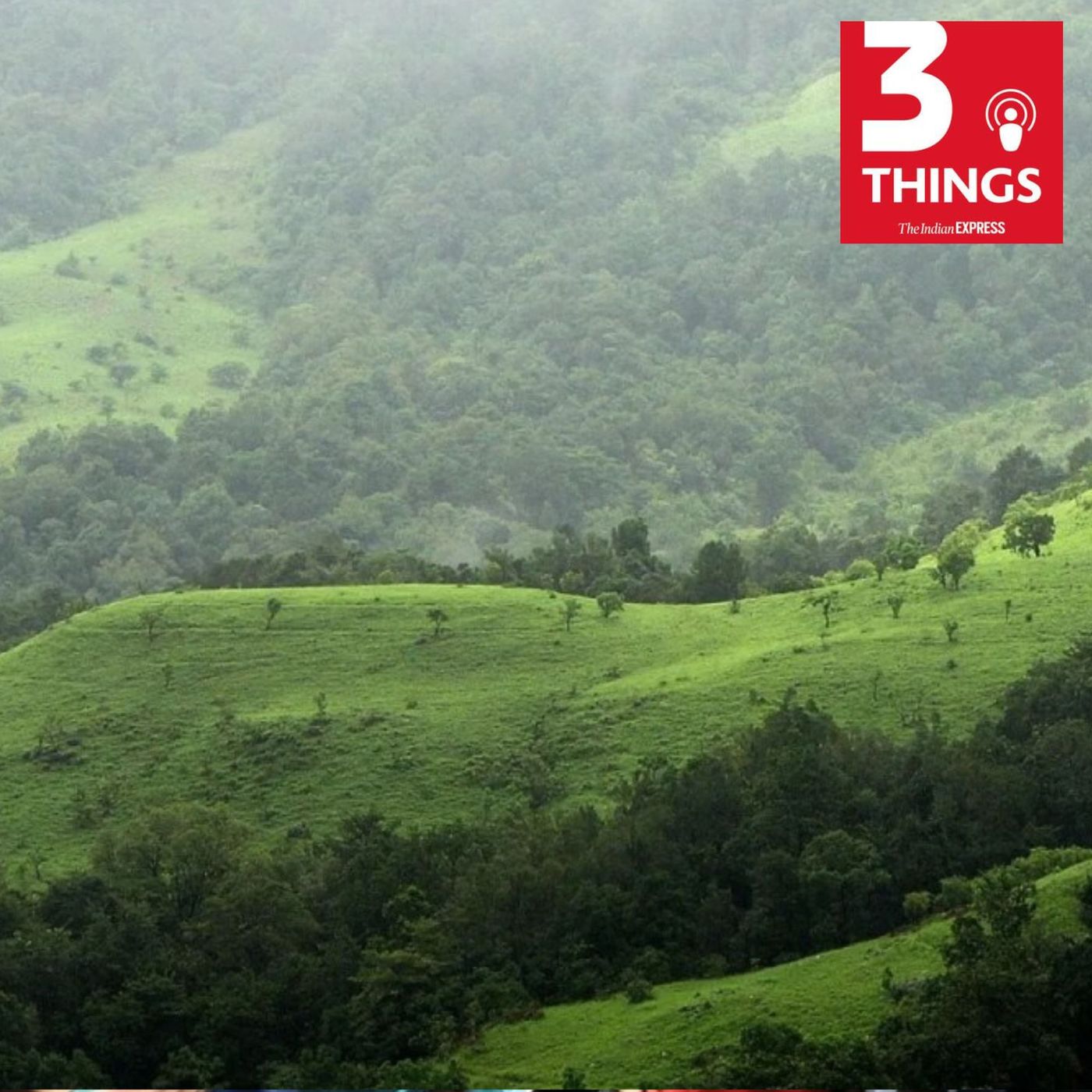
- Ecological Significance of the Western Ghats: The discussion highlights the Western Ghats as a vital natural ecosystem, a chain of mountains stretching 1,500 kilometers. It’s identified as a biodiversity hotspot, home to numerous endemic species of flora and fauna, making its protection crucial.
- El Niño’s Potential Impact on Food Prices: The episode explores the potential of the El Niño phenomenon, which causes the equatorial Pacific Ocean to warm up, to disrupt rainfall patterns and raise temperatures. This could lead to a significant impact on crop yields and subsequently increase food prices in the coming months.
- The Western Ghats’ Eco-Sensitive Zone Designation: After a decade-long delay, the Indian government is finally moving towards designating certain areas within the Western Ghats as ecologically sensitive. This designation comes with stringent protections and restrictions on development to conserve biodiversity.
- Government’s Revised Framework for FCRA Compliance: Recent amendments to the Foreign Contribution Regulation Act (FCRA) by the Home Ministry introduce stricter compliance rules for NGOs and other organizations. These include detailed purpose-specific registration, limits on administrative expenses, and expanded definitions of key personnel, while notably excluding proselytization from permitted activities.
💡 Key Insights & Memorable Moments
- Proactive Policy for Early Development: Haryana’s initiative to create a dedicated policy for quality child care underscores a proactive approach to addressing a crucial developmental stage, recognizing its long-term societal benefits.
- The Delayed Recognition of Western Ghats’ Ecological Value: The designation of eco-sensitive zones in the Western Ghats, after a 12-year wait since the initial draft notification, highlights the challenges in balancing development needs with conservation imperatives.
- El Niño as a Multifaceted Threat: Beyond just affecting rainfall, El Niño’s impact on rising temperatures and potential disruption of monsoon patterns poses a dual threat to agriculture, impacting both crop growth and the availability of essential resources like fertilizers.
- FCRA Amendments Tighten Oversight: The revised FCRA rules reflect a move towards greater transparency and accountability for foreign-funded organizations, with specific restrictions on how funds can be utilized and by whom.
🎯 Way Forward
- Invest in Early Childhood Education Infrastructure: Policymakers should prioritize increased funding and infrastructure development for quality early childhood education centers, ensuring they are accessible to all socio-economic strata. This is vital for building a skilled future workforce.
- Expedite Western Ghats’ Eco-Sensitive Zone Implementation: The government must finalize and effectively implement the eco-sensitive zone designations in the Western Ghats, involving local communities and ensuring strict enforcement against prohibited activities like mining and large-scale construction. This is critical for preserving biodiversity.
- Develop Climate-Resilient Agricultural Strategies: Farmers and agricultural bodies need to adopt and promote climate-resilient farming practices, including drought-resistant crops and efficient water management techniques, to mitigate the impact of El Niño and unpredictable weather patterns.
- Enhance Transparency in NGO Operations: NGOs receiving foreign funds must adapt to the stricter FCRA regulations, ensuring clear documentation of fund utilization and purpose, fostering greater public trust and accountability.
- Strengthen Monitoring of El Niño’s Agricultural Impact: Government agencies and research institutions should actively monitor El Niño’s progression and its specific impact on agricultural regions, providing timely advisories to farmers and preemptive measures to stabilize food prices.