
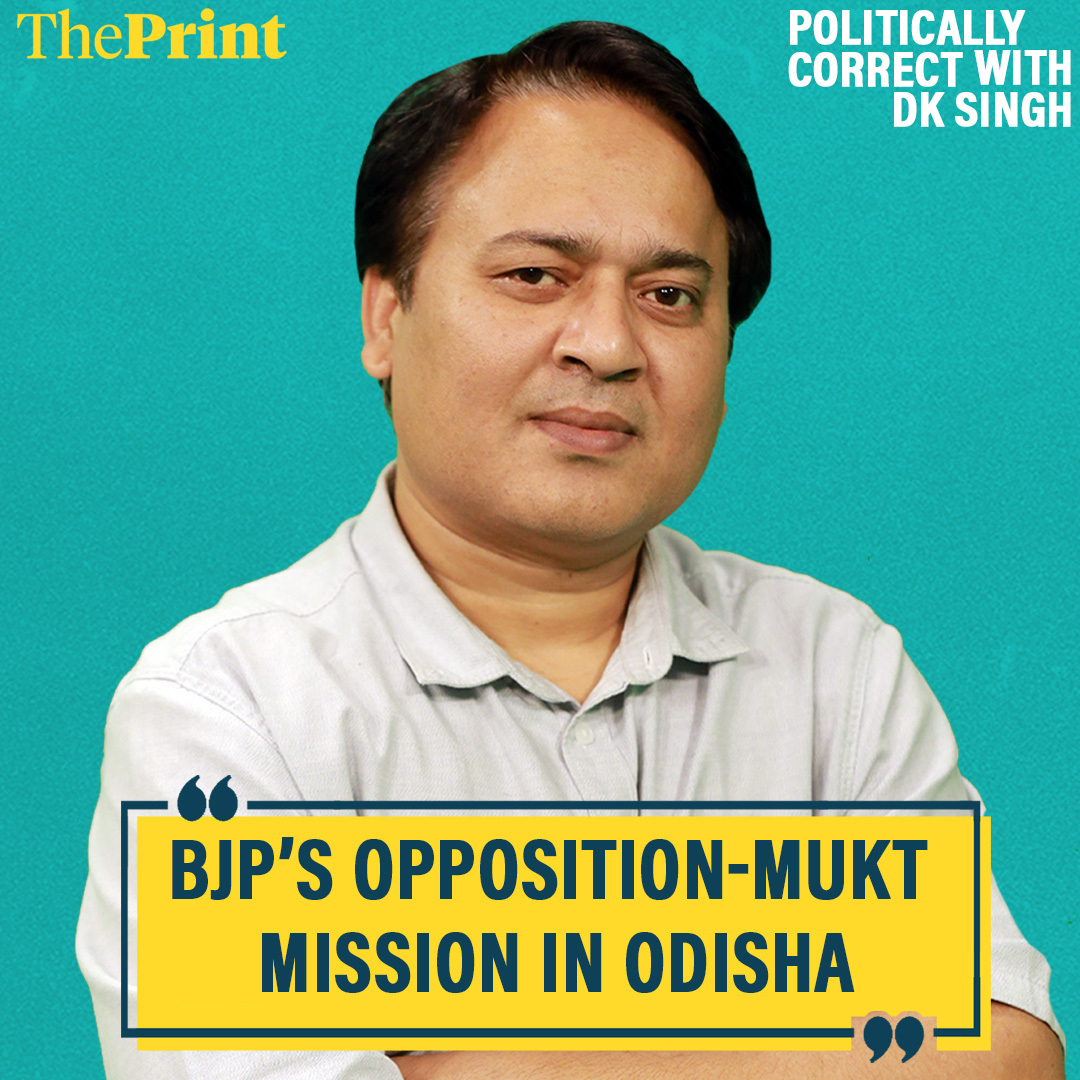
🎯 Core Theme & Purpose
This episode delves into the strategic political maneuvering of the Bharatiya Janata Party (BJP) in India, specifically examining its relationship with regional parties and leaders. It provides a critical analysis of how the BJP has leveraged these alliances for its growth, often at the expense of its partners. This content is highly beneficial for political analysts, students of Indian politics, and anyone seeking to understand the dynamics of coalition politics and power consolidation in India.
📋 Detailed Content Breakdown
• The “Tick” Analogy of BJP’s Infiltration: A senior Congress leader’s analogy illustrates how the BJP, like a tick, subtly enters and spreads throughout a political system, affecting it from the periphery to the core. This highlights the BJP’s strategic approach to expanding its influence over time.
• Trinamool Congress and BJP’s Shifting Alliance: The narrative traces the complex relationship between Mamata Banerjee’s Trinamool Congress and the BJP, from early alliances in the 1990s to present-day opposition. It details how these alliances were driven by mutual political utility rather than ideological alignment.
• Odisha’s Political Landscape and BJP’s Entry: The episode details how the BJP provided mentorship and support to Naveen Patnaik in forming his government in Odisha, benefiting from a strategic alliance. This alliance helped the BJP gain its first MP from Odisha and contributed to the downfall of the Congress government.
• Nitish Kumar’s Evolving Relationship with BJP: The analysis highlights Nitish Kumar’s strategic use of the BJP to consolidate his power in Bihar, while also maintaining leverage against them. This demonstrates a pattern of regional leaders using national parties for their own political gain.
• The Shiv Sena’s Trajectory and BJP’s Influence: The episode touches upon the Shiv Sena’s initial alliance with the BJP and subsequent political shifts. It suggests a pattern where regional parties initially benefit from alliances but eventually face marginalization or shifts in power dynamics.
• Assam’s BPF and UPPL’s Shifting Loyalties: The analysis of Assam’s political scene reveals how regional parties like the Bodoland People’s Front (BPF) and United People’s Party Liberal (UPPL) have navigated alliances, with the BJP strategically aligning with different regional forces to maintain its dominance. This shows the BJP’s adaptability in forming coalitions.
💡 Key Insights & Memorable Moments
- Transactional Nature of Alliances: A recurring theme is that alliances between regional parties and the BJP are primarily transactional, driven by immediate political gains rather than long-term ideological commitments. Regional satraps often view the BJP as a tool to be used and discarded.
- BJP’s Evolving Strategy from Partner to Dominator: The BJP has moved from being a junior partner to a dominant force that dictates terms, as seen in its interactions with Nitish Kumar and its strategy in Assam. Regional parties that once dictated terms now find themselves as “vassals.”
- The “Demise” of Regional Party Autonomy: The episode suggests that many regional parties that once had significant sway are now struggling to maintain their autonomy, often finding themselves forced to align with or accept the BJP’s terms to survive politically.
- “The BJP is different, and that’s probably the first lesson the BJP’s allies today must learn: that they don’t use Modi Shah’s BJP; it’s the other way around.” This quote encapsulates the shift in power dynamics.
- The story of the senior Congress leader who used the “tick” analogy, and is now a Union Minister in the Modi government, exemplifies the BJP’s ability to co-opt opposition figures.
🎯 Way Forward
- Deepen Analysis of BJP’s Coalition Strategy: Political observers and analysts should conduct more in-depth studies on the BJP’s long-term strategy of incrementally expanding its influence by strategically forming and breaking alliances with regional parties. This matters for understanding India’s federal structure and the future of regional politics.
- Monitor the Autonomy of Regional Parties: It’s crucial to track the degree of autonomy retained by regional parties in states where the BJP is a dominant force. Their ability to independently shape political outcomes will be a key indicator of the health of India’s multi-party democracy.
- Study the “Toolbox” Approach of Regional Leaders: Future research should analyze how regional leaders view and utilize national parties like the BJP as a “toolbox” for their own political advancement, and the long-term consequences of this approach for both the leaders and the national political landscape.
- Anticipate Future Realignment Dynamics: Given the BJP’s dominant position, expect further shifts and realignments. Regional parties will continue to adapt, and their ability to negotiate power within the current framework will be tested. This matters for anticipating upcoming electoral outcomes and political stability.
- Recognize the “New Normal” of BJP’s Hegemony: Political actors and observers must acknowledge the current reality of the BJP’s hegemonic position and the consequent reduced bargaining power of its potential allies. Adapting to this new political paradigm is essential for strategizing future political moves.