
🎯 Core Theme & Purpose
This episode delves into the escalating tensions between Pakistan and Afghanistan, focusing on recent cross-border attacks and the underlying geopolitical dynamics. It also examines the implications of these conflicts for regional stability and the humanitarian situation in Gaza. The discussion will be of particular interest to those tracking international relations, security affairs, and humanitarian crises in South Asia and the Middle East.
📋 Detailed Content Breakdown
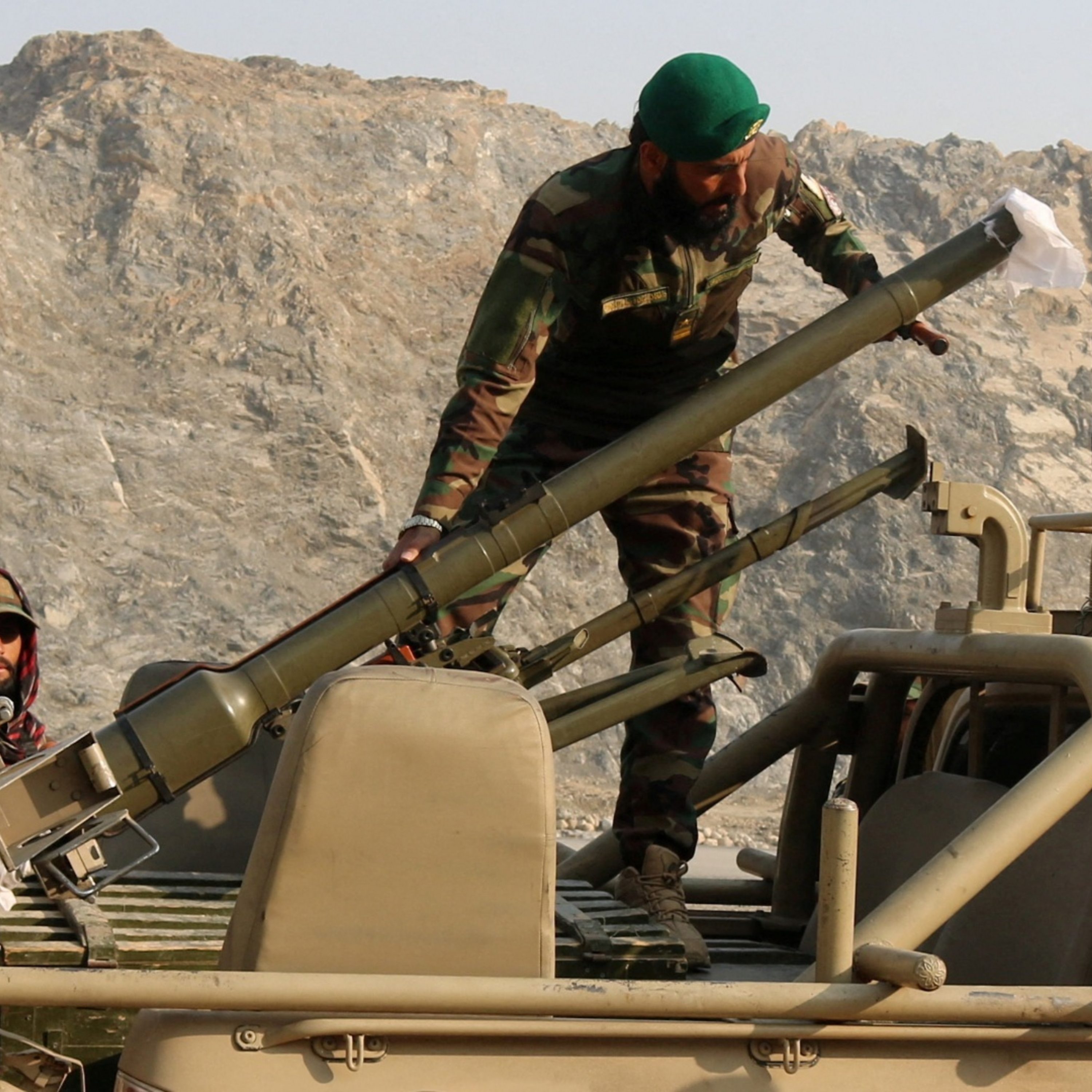
• Pakistan-Afghanistan Border Escalation: Recent cross-border clashes have resulted in significant casualties, with Pakistan claiming to have killed hundreds of Taliban officials and militants. These actions are seen as a direct response to previous deadly airstrikes and are indicative of a dangerous escalation in a long-standing conflict between the two neighbors. The situation raises concerns about further regional instability.
• China’s Military Purge: Nine senior Chinese military officials have been removed from their positions just before the country’s annual parliamentary session. This move is interpreted as President Xi Jinping’s crackdown on perceived disloyalty within the People’s Liberation Army, signaling a continuation of his anti-corruption campaign’s political implications. The removals suggest a tightening grip on power and a zero-tolerance approach to dissent within the military ranks.
• Gaza Humanitarian Crisis Amidst Ceasefire: Residents in Gaza are observing Ramadan under a fragile ceasefire following two years of devastating war. Despite the ongoing challenges, there’s a palpable sense of community and a desire to find solace in religious practices amidst destruction. The situation highlights the resilience of the population and the stark contrast between pre-war life and the current harsh realities, with many struggling to afford basic necessities.
• Cuba’s Fuel Crisis and US Sanctions: Cuba is facing a severe fuel shortage due to US sanctions, forcing citizens to resort to collecting firewood for cooking. The US has indicated a willingness to ease sanctions if fuel is directed to the private sector rather than the government, a strategy reminiscent of past US policies towards the island. This situation underscores the profound impact of external economic pressures on the daily lives of ordinary Cubans, limiting access to essential resources.
• US Refugee Policy Shift: The US is planning to increase its refugee intake from South Africa to 4,500 per month, a notable expansion of its program for persecuted minorities. This adjustment signifies a potential shift in US refugee policy, moving towards a more accommodating stance. The decision comes amidst ongoing discussions about immigration and humanitarian aid, highlighting a complex balancing act in international relations.
💡 Key Insights & Memorable Moments
• Geopolitical Chessboard: The Pakistan-Afghanistan conflict isn’t just about border skirmishes; it’s a complex geopolitical play where Pakistan accuses the Afghan Taliban of harboring militants, while the Taliban suggests Pakistan’s security failures are the root cause. This blame game is actively hindering de-escalation efforts.
• Xi’s Iron Fist: The removal of nine top Chinese military officials signals that President Xi Jinping’s consolidation of power extends deep into the armed forces, using anti-corruption as a tool for political control. The lack of transparency surrounding these dismissals further emphasizes the opaque nature of Chinese political maneuvering.
• Resilience in Gaza: Despite immense suffering and destruction, Gazans are finding ways to observe Ramadan, demonstrating remarkable resilience. The act of finding joy in religious traditions amidst the ruins speaks volumes about the human spirit’s capacity to endure and maintain cultural practices even under extreme duress.
• The Paradox of Diplomacy: While Bill Clinton testifies before Congress regarding Jeffrey Epstein, a separate revelation emerges about Epstein’s attempt to purchase a Moroccan palace. This juxtaposition of legal proceedings and lavish, potentially illicit, past dealings highlights the enduring themes of power, wealth, and accountability in global affairs.
• Marine Conservation’s Urgent Call: Wytrosez’s decision to halt all sales of mackerel due to overfishing is a stark warning about the state of global fish stocks. Charles Clover emphasizes that while quotas have been reduced, they are still insufficient, highlighting the critical need for stricter enforcement and more drastic measures to protect marine ecosystems from collapse.
🎯 Way Forward
- De-escalation Protocols: Establish clear, verifiable de-escalation protocols between Pakistan and Afghanistan, involving neutral third-party mediation to prevent future escalations and provide a pathway for dialogue. This is crucial for regional stability and preventing further humanitarian suffering.
- Transparency in Military Leadership: China should consider increasing transparency regarding the removal of military officials to foster greater trust and understanding, both domestically and internationally. This could help mitigate speculation and ensure clearer communication about leadership changes.
- Sustained Humanitarian Aid to Gaza: Continue and increase humanitarian aid to Gaza, focusing on long-term solutions for reconstruction and economic recovery, alongside immediate relief during Ramadan. This is vital to address the profound humanitarian crisis and support the rebuilding of lives and infrastructure.
- Sustainable Fishing Practices: Implement and strictly enforce science-based fishing quotas globally, moving beyond symbolic reductions to ensure the long-term health of marine ecosystems and fish populations. This proactive approach is necessary to prevent species collapse and maintain global food security.
- International Cooperation on Refugee Crises: Foster greater international cooperation and burden-sharing in addressing global refugee crises, moving beyond unilateral policy shifts to collaborative solutions that are both effective and humane. This will require sustained diplomatic efforts and resource allocation.