
🎯 Core Theme & Purpose
This episode of the Global News podcast from the BBC World Service delves into the escalating geopolitical tensions in the Middle East, particularly focusing on the impact of energy markets and the complex dynamics of the Iran-Israel conflict. It also touches upon international relations, defense spending, and domestic political pressures in the US and South Africa. Listeners interested in global affairs, energy security, and the intricacies of international conflict resolution would find this episode highly informative.
📋 Detailed Content Breakdown
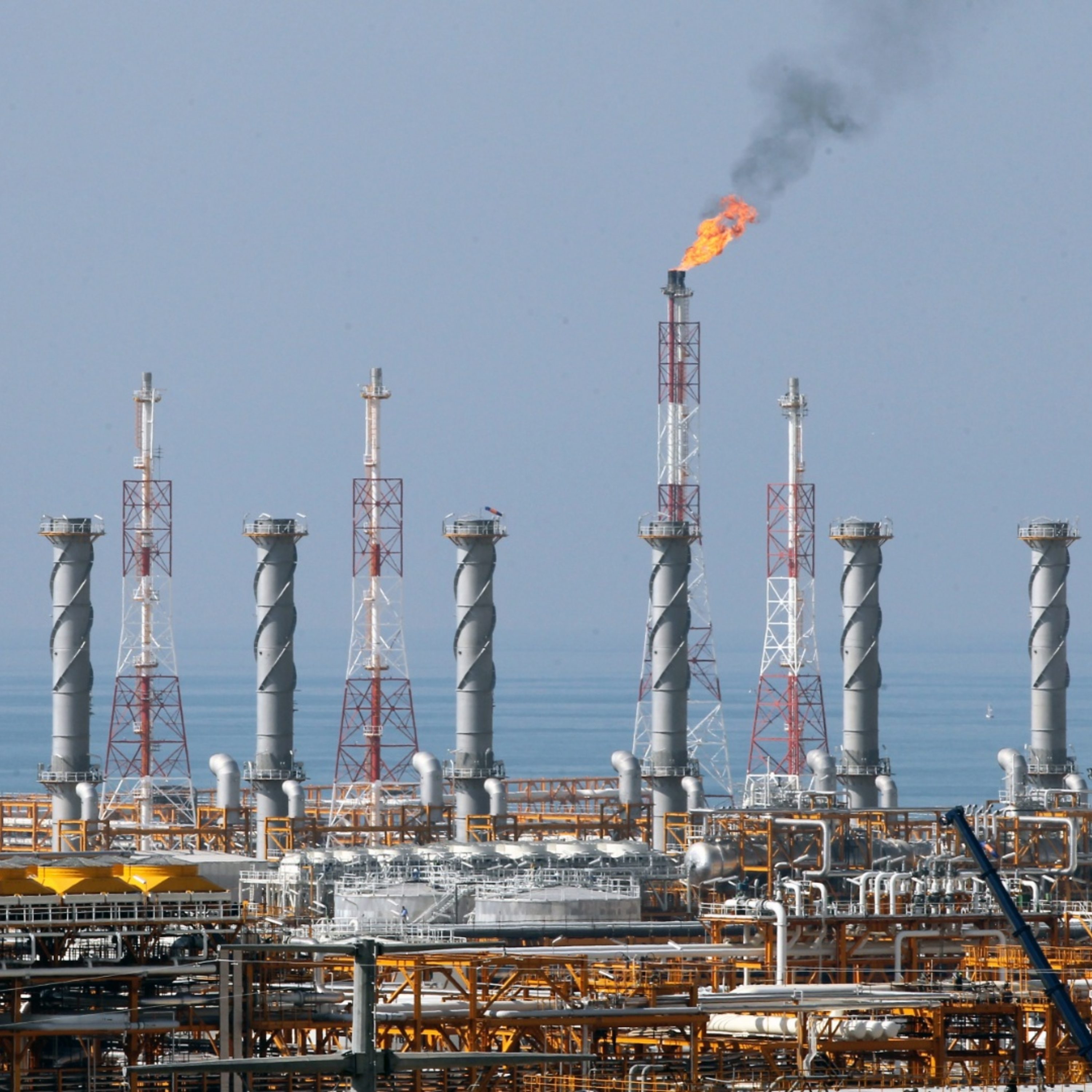
• Middle East Energy Crisis: Energy prices surged following attacks on key gas facilities in Iran and Qatar. The conflict between Israel and Iran has led to tit-for-tat strikes on critical energy infrastructure, causing significant disruptions and market volatility. The attack on Qatar’s Ras Laffan facility, which accounts for a fifth of global LNG, highlights the potential for severe future gas supply shocks.
• US Defense Secretary’s Stance: Pete Hegseth insists the US is on track in its support for Israel, while criticizing allies and sections of the media. He expressed gratitude to President Trump for “doing the work of the free world” in confronting Iran. Hegseth also confirmed the Pentagon is seeking substantial additional funds for the war effort, acknowledging that “it takes money to kill bad guys.”
• Iran’s Domestic Crackdown: Despite the ongoing international conflict, the Iranian regime continues to execute individuals involved in protests from earlier in the year. Reports indicate widespread arrests and concerns about the treatment of detainees, with the regime accusing them of collaborating with the enemy. This internal repression adds another layer of complexity to the country’s geopolitical posture.
• South Africa’s Water Crisis and “Water Mafia”: South Africa is grappling with severe water shortages due to dilapidated infrastructure and the emergence of a “water mafia.” Criminal gangs are hijacking water tankers, disrupting supply, and charging exorbitant fees for water, exacerbating the crisis for millions. Residents are expressing frustration over the lack of clean water, a basic human right, and the government’s inability to address the issue effectively.
• UK-Nigeria State Visit: Nigerian President Bola Tinubu made a historic state visit to the UK, marking the first by a Nigerian leader in nearly four decades. The visit aimed to strengthen bilateral ties, with discussions covering shared values, economic opportunities, and international security. The King highlighted the deep historical and cultural connections between the two nations.
💡 Key Insights & Memorable Moments
- Counterintuitive Finding: Contrary to popular belief, research suggests that “designer doodle dogs” such as poodle mixes are not necessarily easier to train or better behaved than their purebred counterparts, and can exhibit more undesirable traits.
- Expert Opinion: Hossam Zaki, Assistant Secretary-General of the Arab League, described the situation as “madness” and urged the US to de-escalate the conflict.
- Memorable Quote: “It takes money to kill bad guys,” stated US Defense Secretary Pete Hegseth, justifying the need for increased defense spending.
- Striking Statistic: The attack on Qatar’s Ras Laffan facility, which accounts for a fifth of global LNG production, underscores the potential for severe future gas supply shocks.
- Critical Insight: The “water mafia” in South Africa is not only disrupting essential services but also engaging in vandalism of infrastructure to maintain their illegal operations and extortionate pricing.
🎯 Way Forward
- Diversify Energy Sources and Supply Chains: Governments and energy companies should prioritize diversifying energy sources and strengthening global supply chains to mitigate the impact of geopolitical disruptions on energy prices and availability. This is crucial for economic stability and preventing energy-related conflicts.
- Enhance Diplomatic De-escalation Efforts: International bodies and key global powers should intensify diplomatic efforts to de-escalate tensions in the Middle East, focusing on dialogue and negotiation to prevent further energy infrastructure damage and civilian casualties. This is vital for global peace and security.
- Invest in Critical Infrastructure Maintenance: South African authorities must urgently invest in the maintenance and upgrade of water infrastructure and implement robust security measures to combat criminal syndicates exploiting water shortages. This is essential for public health and social stability.
- Promote Responsible Pet Ownership and Breeding: Potential dog owners should conduct thorough research into breed temperaments and training needs, prioritizing responsible breeders who focus on health and temperament over appearance. This will lead to better-matched pets and owners, reducing behavioral issues.
- Strengthen International Cooperation on Global Health and Security: Given the interconnectedness of global events, fostering stronger international cooperation is essential for addressing transnational challenges, from energy security and conflict resolution to public health crises and organized crime. This collaborative approach is key to building a more resilient and peaceful world.