
🎯 Core Theme & Purpose
This episode delves into recent policy shifts and legal developments impacting electric vehicles and employment in India. It provides a critical analysis of the Delhi government’s draft electric vehicle policy and a significant court verdict acquitting individuals in a high-profile murder case. The discussion is essential for policymakers, industry stakeholders, legal professionals, and citizens interested in India’s evolving regulatory and justice landscapes.
📋 Detailed Content Breakdown
• Delhi’s Electric Vehicle Policy 2.0: The Delhi government has proposed a ban on the registration of new petrol and diesel two-wheelers from April 2028. This draft policy, aimed at curbing air pollution, signifies a major push towards electric mobility. It has sparked debate among manufacturers and stakeholders regarding feasibility and impact.
• NSDC Crackdown on Employees: The National Skill Development Corporation (NSDC) has initiated action against its employees over alleged irregularities. This includes issuing show-cause notices to several individuals, indicating a move towards stricter oversight and accountability within the organization. This action points to potential issues in the implementation and management of skill development programs.
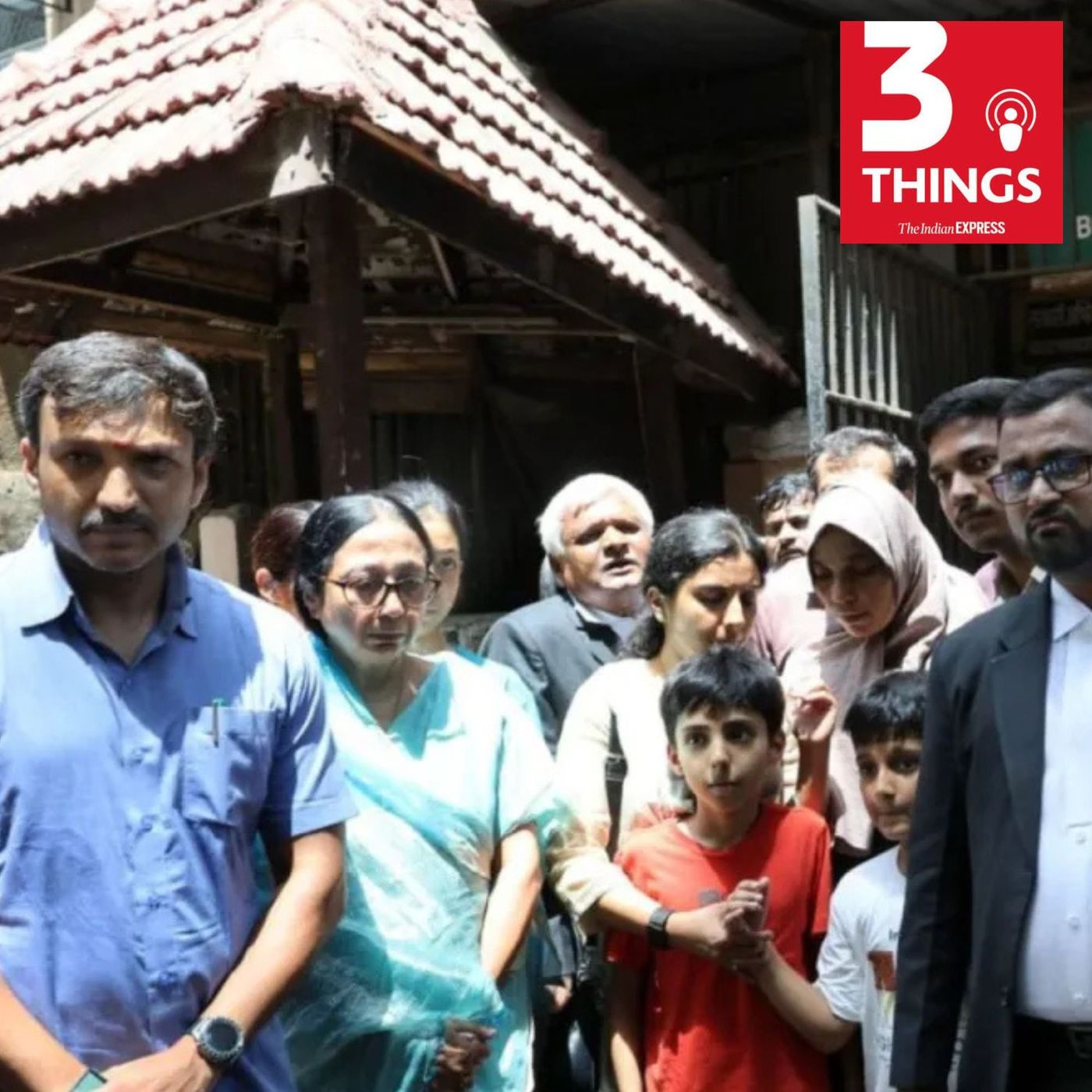
• Acquittal in the Pawanraje Nimbalkar Murder Case: A special CBI court acquitted eight individuals accused in the 2006 murder of Congress leader Pawanraje Nimbalkar. The court cited a lack of sufficient evidence and major contradictions in the prosecution’s testimony, including that of a key witness. This verdict highlights challenges in establishing a strong case, particularly in complex investigations.
• Key Accused and Motivations: The acquitted individuals included Padam Singh Patil, a former NCP minister and Nimbalkar’s cousin. The court noted a history of political rivalry between Nimbalkar and Patil, stemming from their competition for a Lok Sabha seat in 2004. This rivalry, fueled by alleged fake news and animosity, was presented as a potential motive.
• Shortcomings in the Investigation: The court observed that the prosecution failed to produce satisfactory evidence linking the accused to the planning, execution, or aftermath of the crime. Factors like the delay in the CBI taking over the investigation (2009), the loss of evidence due to time lapse, and issues with witness testimonies were crucial in the acquittal. The court also pointed out procedural lapses, such as the extended detention of an approver without proper legal proceedings.
💡 Key Insights & Memorable Moments
- Radical Policy Shift: The Delhi government’s proposed ban on new petrol and diesel two-wheelers by 2028 is a bold and ambitious move, aiming to drastically increase EV adoption from a low base of 7%. This signals a strong political will to tackle pollution.
- Challenges in Justice Delivery: The acquittal in the Pawanraje Nimbalkar case underscores the critical importance of robust evidence collection and consistent witness testimony. The court’s criticism of the investigation highlights potential systemic issues in handling complex cases over extended periods.
- “Flip-Flopper” Witness: The court’s description of a key prosecution witness as a “flip-flopper” due to their inconsistent statements emphasizes the fragility of evidence when witness reliability is compromised.
- Impact of Policy Mandates: The discussion around Delhi’s EV policy suggests that while mandates and bans can drive change, they also necessitate strong supporting mechanisms like charging infrastructure, accessible purchase incentives, and clear long-term plans to address manufacturing and consumer concerns.
- Interplay of Politics and Justice: The Nimbalkar case illustrates how political rivalries can complicate investigations and influence outcomes, raising questions about impartiality and thoroughness in the justice system.
🎯 Way Forward
- Strengthen EV Policy Implementation: Delhi’s EV policy needs robust, well-communicated, and phased implementation plans to ensure smooth transition, adequate charging infrastructure development, and consumer affordability. This matters for achieving pollution targets and widespread EV adoption.
- Enhance Investigative Procedures: Legal and investigative agencies must prioritize evidence preservation, timely prosecution, and rigorous witness vetting to ensure stronger cases and fair justice, particularly in high-profile and complex criminal matters. This matters for public trust in the justice system.
- Promote Domestic EV Manufacturing Ecosystem: Addressing concerns about dependence on foreign suppliers for EV components, especially batteries, is crucial. India needs to invest in indigenous R&D and manufacturing to ensure supply chain security and cost-competitiveness. This matters for national self-reliance and economic growth.
- Balanced Approach to Skill Development Oversight: While accountability is vital, NSDC’s actions against employees highlight the need for fair processes in addressing irregularities. Balancing strict oversight with employee rights and fair procedures is essential for maintaining organizational morale and effectiveness.
- Transparency in Policy Formulation: Engaging stakeholders effectively during the drafting of significant policies like the EV mandate is crucial. Addressing industry concerns proactively can lead to more practical and achievable regulations, fostering better compliance and support.