
🎯 Core Theme & Purpose
This episode delves into a complex international legal case involving an alleged assassination plot, highlighting the intricacies of justice across borders. It examines the plea deal of Nikhil Gupta, an Indian national accused of plotting to kill a Khalistani separatist, and explores the alleged involvement of an Indian government official. The discussion would be of interest to those following geopolitical affairs, international law, and the challenges of extradition and justice in transnational crimes.
📋 Detailed Content Breakdown
-
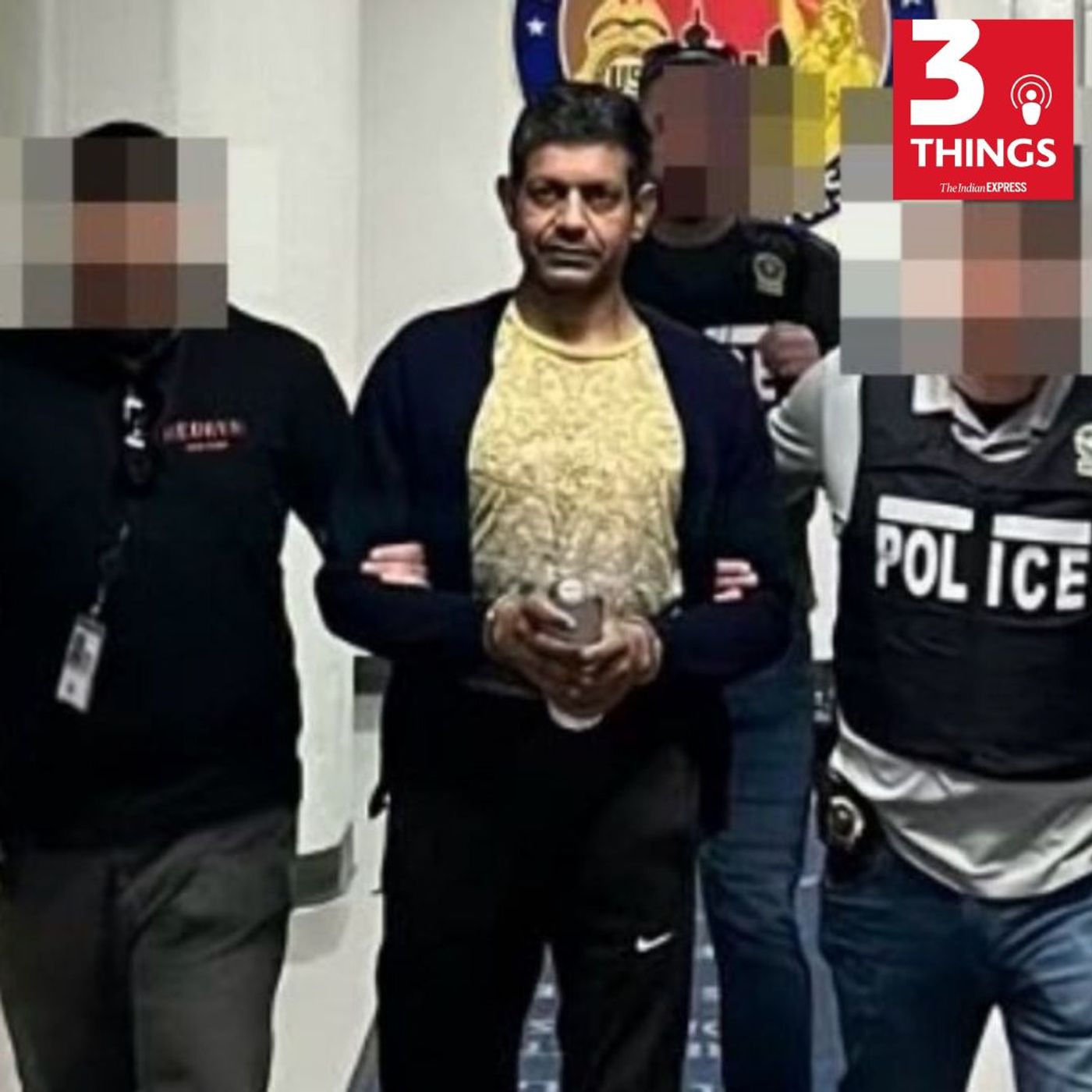
Nikhil Gupta’s Plea Deal: The core of the episode revolves around Nikhil Gupta, an Indian national, pleading guilty in a US court to charges related to a plot to assassinate a Khalistani separatist. This plea resolves a significant international legal case that had seen Gupta extradited from the Czech Republic to the US. It marks a pivotal moment in the investigation, potentially offering insights into the broader conspiracy.
-
Alleged Indian Government Involvement: The case features allegations of an Indian government official’s involvement in orchestrating the assassination plot. The indictment identified this official only as “CC1,” but later legal documents named Vikas Yadav. This alleged state-sponsored action has significant geopolitical implications and raises questions about accountability within government structures.
-
The Victim: Gurpatwant Singh Pannu: The target of the alleged plot was Gurpatwant Singh Pannu, a dual US-Canadian citizen and a prominent Khalistani separatist leader. Pannu is known for his pro-Khalistan activism and for leading organizations like Sikhs for Justice, which advocates for an independent Sikh state. The legal proceedings are centered on the attempt to silence his political activities through an alleged assassination.
-
Interconnectedness of Cases: The US indictment also draws connections between the plot against Pannu and the assassination of Hardeep Singh Nijjar in Canada. Nijjar, another Khalistani leader, was killed in British Columbia. The legal documents suggest a coordinated effort to eliminate prominent Khalistani figures, linking the US and Canadian investigations.
-
India’s Response and Internal Scrutiny: India initially denied allegations of government involvement. However, the filing of the indictment prompted the Indian government to form a high-level committee to investigate the specific allegations concerning its officials. This internal scrutiny signals a response to international pressure and the seriousness of the accusations.
-
The New “Scorecard” System for Secretaries: A significant development discussed is the introduction of a scorecard system for senior government secretaries in India. This initiative aims to assess and rank secretaries based on performance metrics like file disposal, public grievance redressal, and efficient use of funds. The system includes both positive and negative indicators, with the goal of driving efficiency and accountability within bureaucratic structures.
💡 Key Insights & Memorable Moments
-
“Imperfect measurement is still better than no measurement.”: This quote, attributed to the Cabinet Secretary, encapsulates the rationale behind implementing the new scorecard system for secretaries. It suggests a pragmatic approach to bureaucratic reform, acknowledging that even a flawed system is a step towards improving performance and accountability, rather than maintaining the status quo.
-
The dual nature of the scorecard: The system’s inclusion of both positive performance indicators and negative marks for actions like excessive foreign travel or inefficient spending highlights an attempt to create a comprehensive evaluation. The discretionary marks for “exceptional work” also introduce a subjective element, potentially balancing objective metrics.
-
The complexity of cross-border justice: The Nikhil Gupta case starkly illustrates the challenges of pursuing justice across international borders, involving extradition, diplomatic relations, and the potential for state-sponsored actions. It underscores the difficulties in holding individuals accountable when alleged conspiracies span multiple sovereign nations.
-
The impact of social media on radicalization: The episode highlights how social media platforms like Facebook and Instagram, through seemingly innocuous fan accounts, can be used to influence and recruit young men into extremist activities. The glorification of violence and the promise of relocation abroad serve as powerful motivators, demonstrating the evolving tactics of radicalization.
🎯 Way Forward
- Strengthen International Legal Cooperation Frameworks: Given the Nikhil Gupta case, there’s a clear need to bolster existing frameworks for extradition and mutual legal assistance between countries to effectively address transnational crime and alleged state-sponsored terrorism. This matters for ensuring justice and deterring future plots.
- Enhance Cross-Platform Social Media Monitoring: Given the role of social media in radicalization, governments and law enforcement agencies must develop more sophisticated, collaborative strategies to monitor and counter the use of platforms for recruitment and incitement to violence. This is crucial for preventing young individuals from being drawn into dangerous activities.
- Develop Nuanced Performance Metrics for Public Servants: While the scorecard initiative is a step towards accountability, future iterations should focus on measuring outcomes and impact, not just process or easily quantifiable metrics. This matters for ensuring that the system genuinely drives administrative efficiency and public service delivery, rather than just ticking boxes.
- Foster Transparency in Bureaucratic Accountability: The implementation of scorecards should be accompanied by greater transparency regarding the methodology, criteria, and results. This matters for building public trust and ensuring that accountability mechanisms are perceived as fair and effective, rather than arbitrary or politically motivated.
- Promote Digital Literacy and Critical Thinking: Educational initiatives focused on digital literacy and critical thinking are vital for empowering young people to discern credible information from propaganda and resist online radicalization. This proactive approach is essential for safeguarding vulnerable populations.