
🎯 Core Theme & Purpose
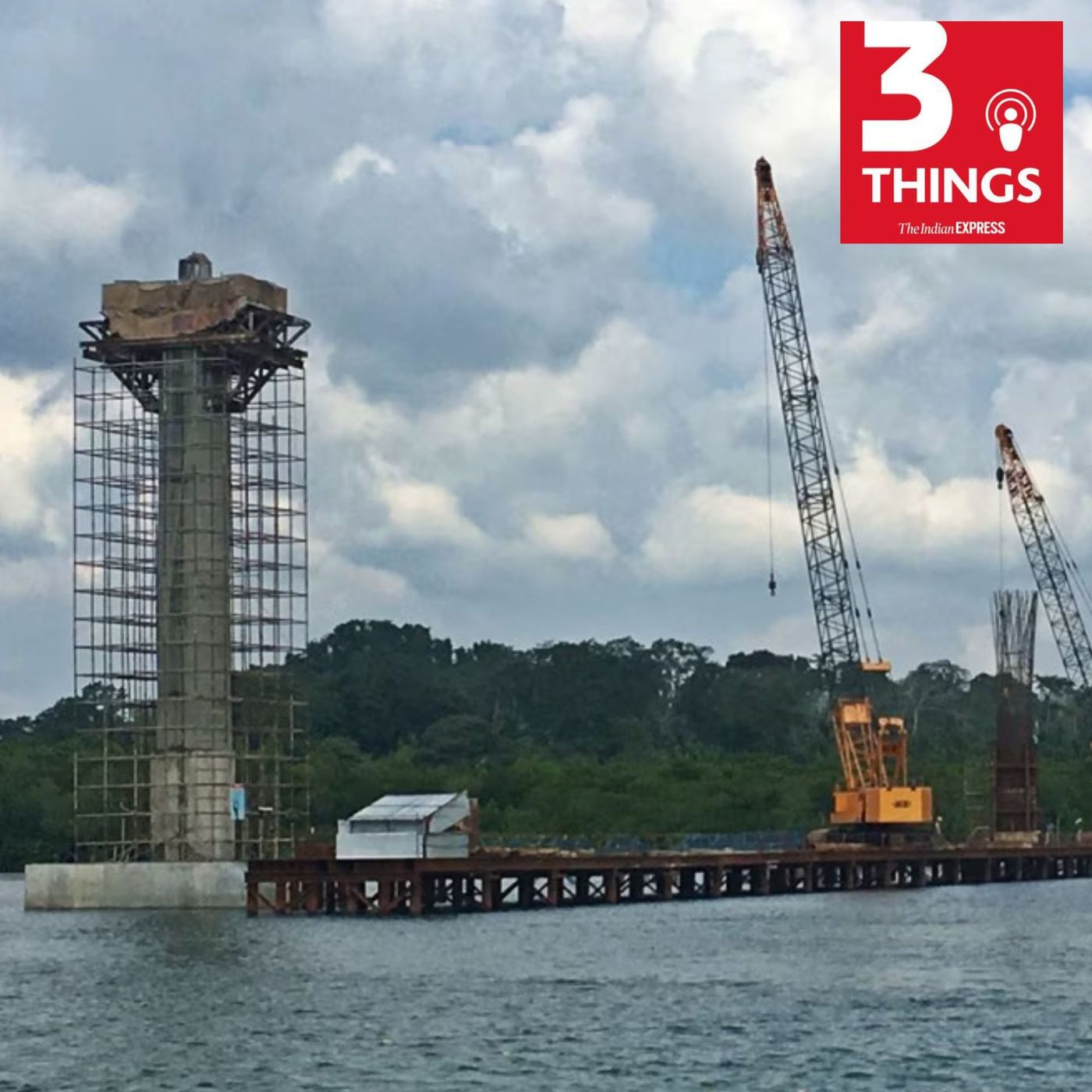
This episode of The Indian Express podcast focuses on the ambitious Great Nicobar development project and its recent clearance by the National Green Tribunal. It delves into the socio-economic and environmental implications of this large-scale infrastructure endeavor, exploring the challenges faced and the tribunal’s decision. This analysis is crucial for understanding India’s strategic infrastructure development goals and the complexities of balancing economic progress with ecological preservation, particularly for policymakers, environmental advocates, and informed citizens.
📋 Detailed Content Breakdown
• Great Nicobar Development Project: The Indian government has initiated a ₹80,000 crore infrastructure project in the Great Nicobar Islands. This project, conceptualized by NITI Aayog, aims to establish an international trans-shipment port, an airport, a township, and other essential facilities to provide India with a significant strategic advantage.
• Environmental and Legal Challenges: The project faced considerable concerns from civil society groups and conservationists regarding its ecological impact. These concerns led to legal challenges, prompting the formation of a high-powered committee by the National Green Tribunal (NGT) to re-examine the environmental clearances granted.
• NGT’s Clearance and Rationale: A six-member special bench of the NGT cleared the project, stating no good ground for interference and finding adequate safeguards in the environmental clearance. The tribunal directed full and strict compliance with the environmental clearance conditions by authorities and regulatory agencies, highlighting the project’s major strategic importance.
• Coastal Regulation Zone (CRZ) Concerns: A significant point of contention was the project’s alignment with the Coastal Regulation Zone (CRZ) notification, specifically the ICRZ-IA area. This zone demarcates ecologically sensitive areas, and the port, airport, and township components were scrutinized for potentially falling within these prohibited or restricted zones.
• Specific Issues for NGT Committee: The NGT committee was tasked with reviewing several critical issues, including the trans-location of corals, the ecological sensitivity of the port area, and the sufficiency of baseline environmental data. The committee’s findings were crucial in addressing the concerns raised by environmental activists regarding the project’s potential impact on marine life and fragile ecosystems.
• Allegations of Caste Discrimination: A separate issue highlighted involves a Dalit woman, Saramishtha Sethi, appointed as an Anganwadi helper-cum-cook in a village in Odisha. She has faced social boycott and discrimination from upper-caste households, who refuse to accept food cooked by her, impacting the Anganwadi’s attendance and her livelihood.
💡 Key Insights & Memorable Moments
• Strategic Ambition vs. Ecological Risk: The Great Nicobar project exemplifies a high-stakes gamble, prioritizing significant strategic and economic benefits (rivaling Singapore or Hong Kong) against potential environmental degradation in a highly sensitive ecological zone. • Tribunal’s Pragmatic Approach: The NGT’s clearance, while upholding environmental vigilance, also acknowledged the project’s “major strategic importance,” suggesting a balancing act between development imperatives and conservation concerns. • Persistent Social Hierarchies: The case of Saramishtha Sethi in Odisha starkly illustrates how deeply entrenched caste discrimination can undermine even basic government initiatives and individual livelihoods, highlighting the persistent social challenges in rural India. • “No Work Beyond Existing Progress”: The NGT’s order to halt further work on the Great Nicobar project until the committee submitted its report indicates the gravity of the environmental concerns and the tribunal’s commitment to thorough review. • Quote: “We will have to keep observation of this… coral and observation so that there is no sedimentation load.” - Highlighting the ongoing monitoring required for sensitive ecological projects.
🎯 Way Forward
- Strengthen Inter-Agency Coordination: Enhance collaboration between NITI Aayog, environmental ministries, and regulatory bodies to ensure streamlined clearances and proactive mitigation of environmental concerns for future large-scale projects. This is vital for timely execution without compromising ecological integrity.
- Implement Robust Social Inclusion Programs: For projects like Great Nicobar, develop and rigorously enforce social inclusion policies that actively counter discrimination and ensure equitable participation of all communities, particularly marginalized groups, in development benefits. This ensures inclusive growth.
- Invest in Comprehensive Baseline Data Collection: Mandate and fund long-term, multi-season environmental data collection for ecologically sensitive areas before project approval, ensuring a strong scientific basis for impact assessments and mitigation strategies. This provides robust data for decision-making.
- Foster Public-Private Dialogue on AI Governance: Continue and expand global forums like the AI Impact Summit to encourage open dialogue among governments, industry, and civil society on AI’s ethical implications, promoting responsible innovation and equitable distribution of benefits. This ensures a shared vision for AI’s future.
- Empower Local Communities in Development Projects: Establish clear mechanisms for local community engagement and grievance redressal in all infrastructure projects, ensuring their voices are heard and addressed throughout the project lifecycle. This fosters local buy-in and sustainable development.