
🎯 Core Theme & Purpose
This episode dissects the recent controversy surrounding the NEET exam’s alleged paper leak and the subsequent legislative and governmental responses. It delves into the nuances of a new anti-cheating bill, a controversial police action during a protest, and the political fallout involving prominent figures. The discussion is crucial for students, parents, educators, and anyone interested in the integrity of India’s public examination system and governance.
📋 Detailed Content Breakdown
• New Anti-Cheating Bill: The Lok Sabha passed the Public Examinations (Prevention of Unfair Means) Amendment Bill, 2024, aiming to curb malpractices in public exams. This bill amends the 2024 anti-cheating law, increasing penalties significantly for individuals and service providers involved in exam malpractices. Fines for individuals are raised to ₹50 lakhs and imprisonment to 5-10 years, while service providers face fines up to ₹1 crore and a ban for 8 years.
• NEET Paper Leak Controversy & Opposition’s Stance: Despite the new law, the opposition argues that paper leaks persist, questioning the bill’s effectiveness. They highlight past instances and challenge the government’s narrative of progress, pointing to ongoing leaks as evidence that the problem is not fully addressed. The debate also touched upon the past recommendations of the K. Radhakrishnan committee.
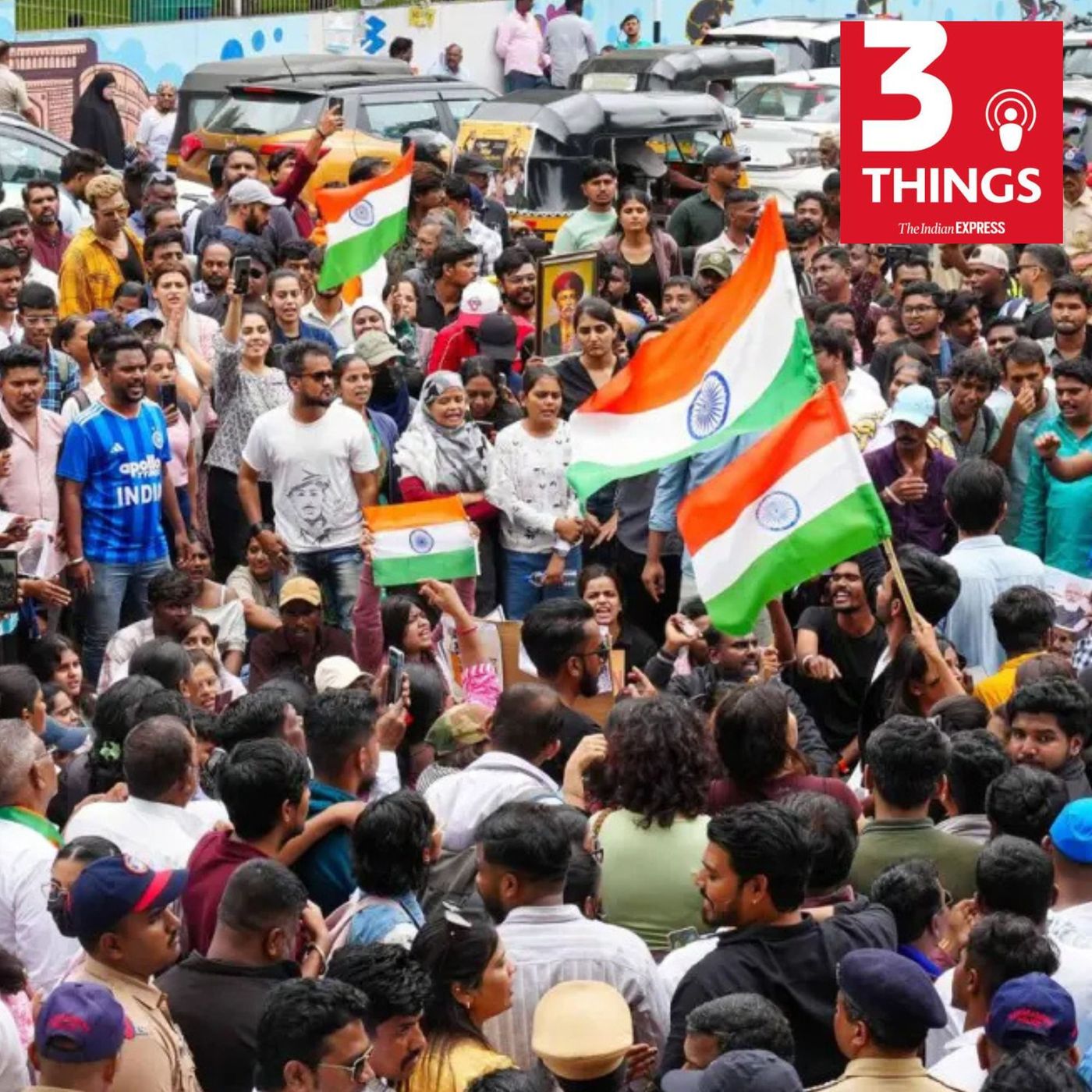
• CJPG’s Protest and Use of Force: Official records reveal that during the July 20th protest, a rapid action force personnel fired an anti-riot gun twice, allegedly on the orders of a Deputy Commissioner of Police rank officer. Non-electrical, electrical shells, and tear gas were used. This action led to serious pellet injuries for at least three individuals, including a Delhi University student, a worker, and a journalist, with one facing the risk of losing eyesight.
• Investigation into Pellet Gun Use: An investigation was launched into the use of force, with the involved officer, Rajesh Dev, claiming he was not present at the location when the shots were fired and that his orders were misinterpreted. A journal entry from the officer’s official diary is being used to support his claim of being elsewhere. However, discrepancies remain regarding the officer’s actual whereabouts and the chain of command for firing such weapons.
• Political Ramifications and Demands for Accountability: The opposition, led by figures like Rahul Gandhi, raised concerns about police brutality and the use of force against protestors, demanding clarity on the circumstances. The resignation of Dharmendra Pradhan as Education Minister was also discussed in the context of the NEET controversy. The government’s response involved launching task forces and issuing statements about its commitment to exam integrity, while the opposition shifted focus to alleged police excesses.
• Delhi Government’s Stance on FIRs: The Delhi government has approved the withdrawal of 14 FIRs registered in connection with the protest. This decision aims to de-escalate tensions, provided the accused have no criminal antecedents, as per Supreme Court guidelines. The government stated no further adverse action would be taken against the individuals involved, and the matter would be closed.
💡 Key Insights & Memorable Moments
- The Public Examinations (Prevention of Unfair Means) Amendment Bill, 2024, significantly escalates penalties, indicating a serious governmental intent to tackle exam malpractices, but its effectiveness remains debated due to ongoing leaks.
- The incident involving the anti-riot gun during the protest highlights a critical point of contention, with conflicting accounts from the officer involved and the discovery of a diary entry. The debate centers on whether the use of such force was justified and who bears ultimate responsibility.
- Rahul Gandhi’s questioning of the government’s response to the protest, particularly the alleged use of force, showcases the opposition’s strategy to shift the narrative and demand accountability.
- The Delhi government’s decision to withdraw FIRs, while intended to pacify protestors, raises questions about accountability, especially when contrasted with allegations of severe injuries sustained by individuals.
🎯 Way Forward
- Strengthen Oversight of Anti-Riot Gun Usage: Implement stricter protocols and independent oversight mechanisms for the deployment and use of anti-riot guns during protests to prevent excessive force and ensure accountability.
- Enhance Transparency in Investigation Outcomes: Ensure that investigations into alleged police excesses, like the pellet gun incident, are conducted transparently and their findings are publicly communicated to build trust.
- Review and Fortify the Anti-Cheating Bill’s Enforcement: Beyond escalating penalties, focus on proactive measures and technological integration within the examination system to prevent leaks at the source, rather than solely relying on punitive actions.
- Establish Clear Communication Channels: Facilitate open dialogue between the government, examination authorities, student bodies, and opposition parties to address concerns proactively and foster a collaborative approach to safeguarding exam integrity.
- Independent Review of Protest Handling Procedures: Conduct a comprehensive review of standard operating procedures for handling large-scale protests, focusing on de-escalation techniques and proportionate use of force, drawing lessons from recent events.