
🎯 Core Theme & Purpose
This episode delves into significant developments in Indian policy and technology, examining the political implications of the delimitation debate in Maharashtra and celebrating India’s strides in green transportation with the launch of its first hydrogen train. It also highlights the burgeoning private space sector through Skyroot Aerospace’s ambitious launch. The discussion is particularly relevant for policy analysts, citizens interested in political developments, and those following advancements in sustainable technology and space exploration.
📋 Detailed Content Breakdown
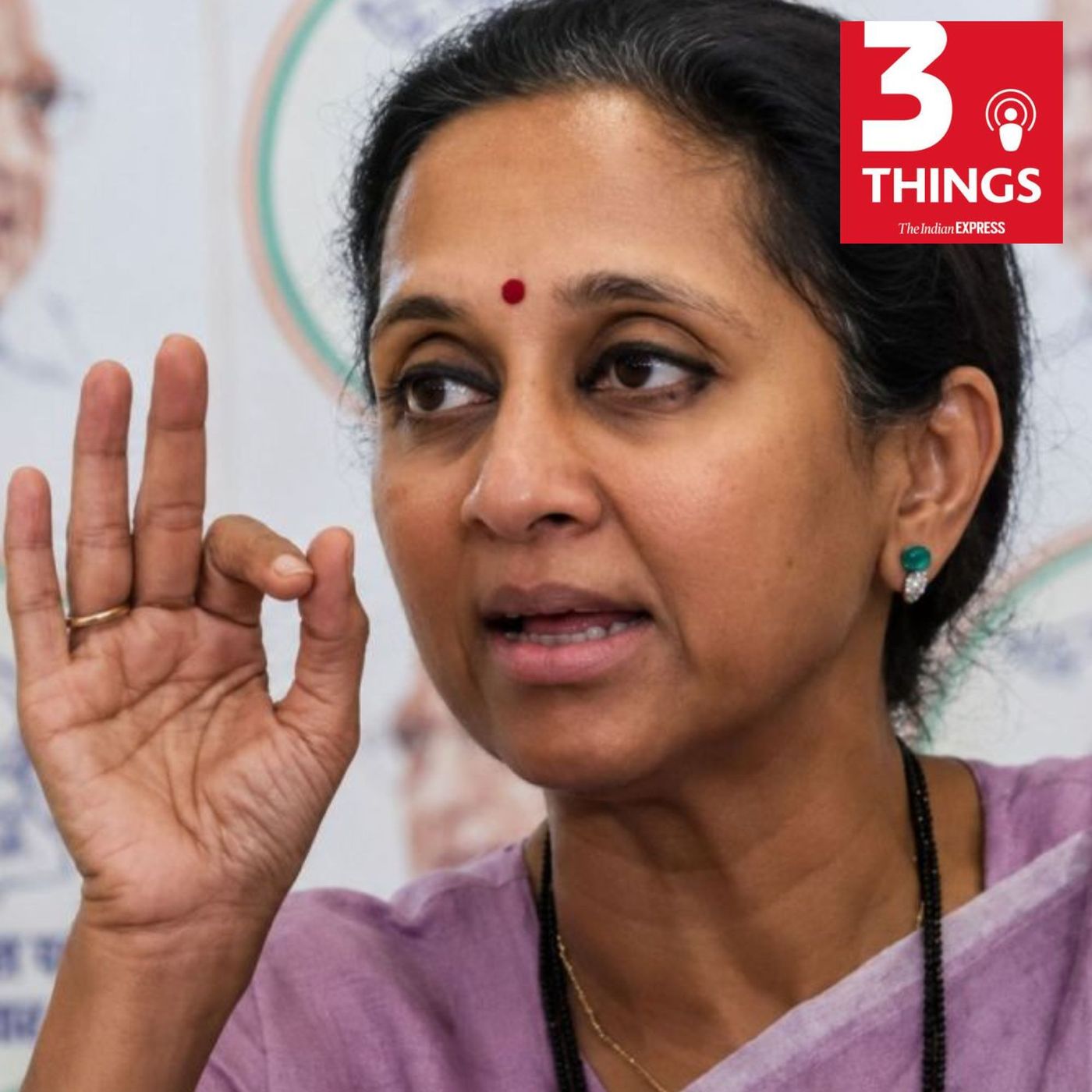
• Delimitation Debate and NCP’s Stance: The NCP’s decision to support the center’s delimitation bill, with a key condition of a 50% increase in Lok Sabha seats across all states, is a significant political maneuver. This stance aims to address concerns of southern states about losing influence due to population-based seat allocation. The condition underscores the party’s focus on equitable representation and its strategy to navigate internal political dynamics.
• Hydrogen Train Launch and Green Transport: India’s first hydrogen-powered train,flagged off in Haryana, marks a major milestone in the nation’s commitment to sustainable transportation. This initiative positions India among a select group of countries adopting advanced green fuel technology for rail. The train’s operational details and its potential to revolutionize the rail sector are highlighted, emphasizing its role in reducing carbon emissions.
• Skyroot Aerospace’s Orbital Launch Attempt (Mission Agn, Vikram 1): Skyroot Aerospace’s attempt to launch its privately developed rocket, Vikram 1, signifies India’s growing prowess in the private space sector. This mission, named ‘Agn’, aims to place a payload into orbit, demonstrating indigenous launch capabilities. The development is crucial for India’s ambitions in space commercialization and technological self-reliance.
• Challenges in Hydrogen Technology Adoption: The widespread adoption of hydrogen for transport faces significant hurdles, including the need for safe storage at high pressures and the development of efficient production and distribution systems. The current infrastructure is nascent, requiring substantial investment and technological advancement to scale up. These challenges need to be addressed for hydrogen to become a viable mass transportation solution.
• Skyroot’s Vikram 1 Launch and its Significance: The Vikram 1 rocket, designed for multiple missions, showcases India’s capability to develop advanced launch vehicles. The inclusion of various technology demonstrations and payloads from different entities underscores the collaborative nature of the mission. This launch is vital for building confidence in India’s private space capabilities and fostering further innovation.
• The Role of Private Players in India’s Space Ambitions: The increasing involvement of private companies like Skyroot Aerospace is transforming India’s space sector. These entities are pushing the boundaries of innovation, developing cost-effective launch solutions, and contributing to the nation’s goal of becoming a global space power. Their success is critical for expanding access to space and driving economic growth.
💡 Key Insights & Memorable Moments
• The NCP’s conditional support for the delimitation bill, demanding a 50% increase in Lok Sabha seats nationwide, is a strategic move to ensure balanced representation and potentially counter political realignments. • The hydrogen train’s ability to run without overhead catenary lines, unlike electric trains, highlights its flexibility and potential for deployment on existing non-electrified routes, marking a significant step in decentralized green transport. • The ambition behind Skyroot Aerospace’s Vikram 1 launch, aiming for orbital deployment with privately developed technology, signifies a paradigm shift towards a more commercialized and diversified Indian space ecosystem. • Quote: “The challenge of hydrogen storage is immense… it needs to be kept between 200 to 500 bar,” highlighting the safety and engineering complexities involved in utilizing hydrogen as a fuel. • Data Point: The Vikram 1 rocket’s payload capacity of up to 350 kg for Low Earth Orbit (LEO) underscores its potential for serving small satellite launch needs.
🎯 Way Forward
- Develop Comprehensive Hydrogen Infrastructure: Significant investment is needed to build a robust network for hydrogen production, storage, and distribution to support widespread adoption of hydrogen trains and other vehicles. This matters for achieving ambitious climate targets and reducing reliance on fossil fuels.
- Foster Continued Private Sector Innovation in Space: The government should continue to support and incentivize private players like Skyroot Aerospace through policy reforms and easier access to launch facilities to accelerate India’s space exploration and commercialization efforts. This is crucial for global competitiveness and technological advancement.
- Address Political Concerns in Delimitation: A transparent and collaborative approach to the delimitation process, incorporating feedback from all stakeholders, is essential to maintain political stability and ensure fair representation, particularly between northern and southern states. This will foster trust and prevent regional disparities.
- Prioritize Safety and Standardization for Hydrogen Technology: Establishing clear safety protocols and international standards for hydrogen fuel cell technology and storage is paramount for public acceptance and widespread deployment of vehicles like hydrogen trains. This will ensure safety and build consumer confidence.
- Encourage R&D in Next-Generation Propulsion: Continued investment in research and development for advanced propulsion systems, including more efficient hydrogen fuel cells and reusable launch vehicles, is vital for India to remain at the forefront of technological innovation in both transportation and space sectors. This will drive long-term competitiveness and sustainability.