
🎯 Core Theme & Purpose
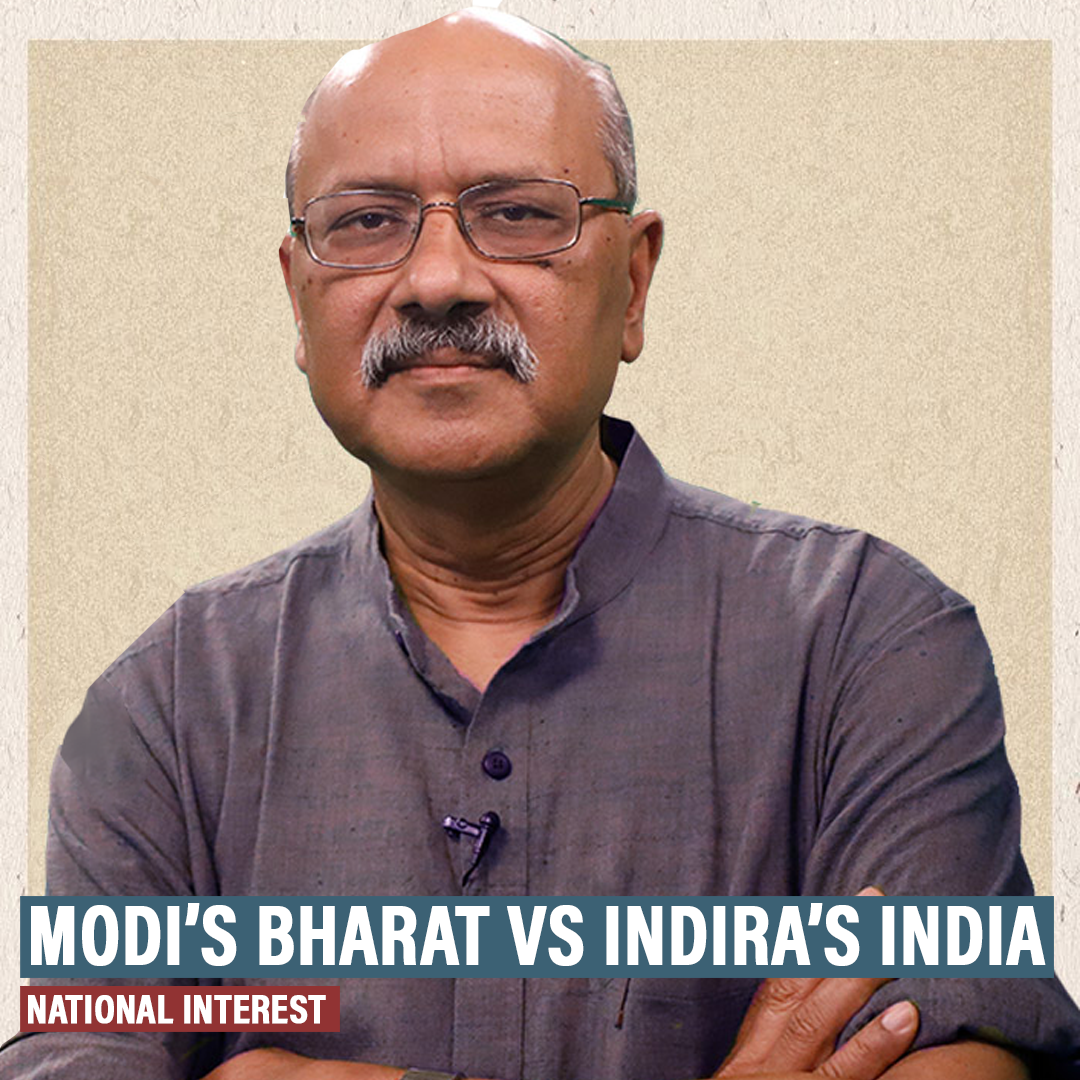
This podcast critically examines the centralization of India’s education system, particularly focusing on the National Testing Agency (NTA) and its role in standardized entrance exams like NEET. It argues that this centralized approach, while intended to curb corruption and ensure fairness, has instead created immense pressure and stress on students, leading to a system that stifles talent and promotes rote learning. Aspiring students, parents, educators, and policymakers concerned with the future of education in India would find this analysis highly beneficial.
📋 Detailed Content Breakdown
• Centralization of Entrance Exams: The episode details how direct negotiations between the Modi government, ministers, and CGP leaders have paved the way for centralized bodies like the NTA. This agency now oversees crucial exams like NEET, JEE, CUET, and others, aiming for a unified national standard.
• The NEET Conundrum: A significant portion discusses the intense competition for limited medical seats in India (approximately 5% are selected for MBBS seats). This leads to students seeking expensive coaching and even pursuing education abroad, highlighting a severe under-supply and the high financial burden on families.
• Critique of the NTA’s Role: The podcast argues that the NTA, despite its mandate, has become a symbol of excessive centralization, leading to a “mass operation” that benefits a few while stressing the majority. The removal of the Higher Education Secretary is presented as a symbolic, albeit ineffective, move to appease protesters.
• Educational Overload and Stress: The narrative paints a grim picture of the Indian student experience, starting from age 15, characterized by endless coaching classes, relentless competition, and frequent re-examinations. This environment is described as producing “nerds” or a “battered majority” rather than well-rounded individuals.
• Historical Context and Federalism: The episode traces the history of medical education policy, including the Supreme Court’s rejection of a centralized system in 2013 and the subsequent re-establishment of NEET. It highlights the resistance from southern states and Maharashtra, who viewed it as an infringement on their federal rights.
• Proposed Solutions and Future Outlook: The speaker advocates for decentralization of technical admissions, legalizing educational institutions for profit, and potentially repealing the 42nd Amendment that made education a concurrent subject. The emphasis is on returning autonomy to states and fostering a more market-driven, less stressful educational landscape.
💡 Key Insights & Memorable Moments
• “Education cannot be for profit”: This quote encapsulates the inherent hypocrisy in a system that simultaneously aims to curb private coaching fees and allows private institutions to flourish with high tuition.
• “The NTA itself carries a humongous power for a mere society”: This highlights the disproportionate authority vested in the NTA, raising questions about its accountability and governance.
• “We are creating a generation of nerds or the bitter majority”: This powerful analogy captures the negative psychological and developmental impact of the current high-pressure educational system on young Indians.
• The “Lollipop Politics”: The speaker uses this term to describe the government’s tendency to offer superficial solutions, like new laws against cheating, instead of addressing the root causes of the crisis.
• Statistical Insight: Only about 5% of students who appear for NEET are selected for MBBS seats in India, underscoring the intense competition and the scale of the problem.
🎯 Way Forward
- Abolish NEET and Decentralize Admissions: Why it matters: This would reduce the immense pressure on students, allow states to cater to their specific needs, and potentially curb the coaching mafia by diversifying admission criteria.
- Legalize Educational Institutions for Profit: Why it matters: This would encourage private investment, potentially leading to more institutions and increased seats, thus addressing the supply-demand gap and fostering competition that could regulate fees naturally.
- Restore State Autonomy over Education: Why it matters: Revisiting the 42nd Amendment to make education a state subject would allow for diverse educational models tailored to regional needs, fostering innovation and reducing the one-size-fits-all approach.
- Dismantle the NTA: Why it matters: The NTA’s centralized power has proven problematic; its dissolution would distribute administrative responsibilities and reduce the single point of failure and control.
- Promote Diverse Assessment Methods: Why it matters: Moving beyond purely exam-based merit for admission would encourage a broader range of skills and talents, reducing the reliance on rote learning and coaching centers.