
🎯 Core Theme & Purpose
This podcast episode delves into the complex geopolitical situation in Myanmar, focusing on the recent commutation of Aung San Suu Kyi’s sentence and her move to house arrest. It also explores the US-Iran tensions and the implications of potential US military action. Listeners interested in international affairs, human rights, and US foreign policy will find valuable insights into these critical global events.
📋 Detailed Content Breakdown
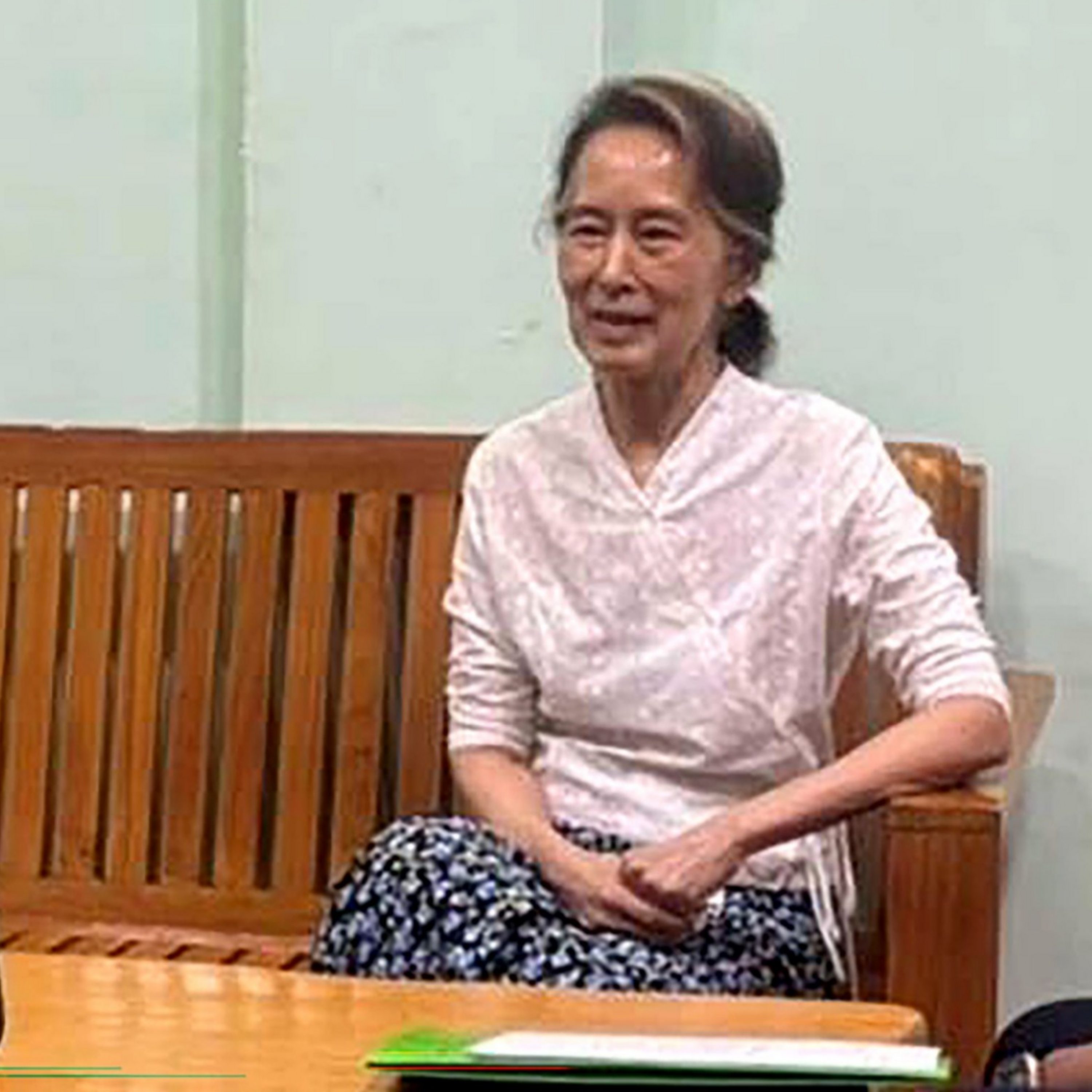
- Aung San Suu Kyi’s Sentence Commutation: The military government in Myanmar announced that Aung San Suu Kyi’s remaining sentence has been reduced and she has been moved to house arrest. This is presented as a potential step towards conditions conducive to a credible political process, though skepticism remains due to the lack of independent verification and the ongoing imprisonment of other political prisoners.
- US-Iran Tensions and Congressional Authorization: US President Donald Trump faces a deadline to seek Congressional authorization for continuing the war against Iran beyond 60 days. There is a debate about whether a ceasefire pauses the clock, with the White House arguing it does. This highlights the legal and constitutional challenges surrounding presidential war powers and the differing interpretations between the administration and opposition politicians.
- UK Terror Threat Level Increased: The UK’s terror threat level has been raised from substantial to severe, indicating a high likelihood of an attack in the next six months. This decision follows two Jewish men being stabbed in North London and is influenced by rising threats from both Islamist and far-right extremism globally, with concerns about state-linked actors.
- Myanmar’s Political Future and Diplomatic Pressure: The military junta in Myanmar is seeking international legitimacy through recent actions, including the statement on Aung San Suu Kyi. International bodies like the UN have welcomed the move, but the family and supporters of Aung San Suu Kyi remain skeptical. The situation is complicated by the ongoing civil war and armed opposition within Myanmar.
- Banksy’s Statue in Trafalgar Square: The street artist Banksy has created a statue of a masked protester holding a spray can, placed in Trafalgar Square, London. This work, unveiled early one morning, is seen as a commentary on protest, imperialism, and the state of journalism, especially in relation to the ongoing political polarization in the US.
💡 Key Insights & Memorable Moments
- The release of images and information about Aung San Suu Kyi’s house arrest is seen by some as a strategic move by the Myanmar military regime to improve its international standing.
- The US debate over continuing military action against Iran highlights the constitutional tension between the President’s war powers and Congressional oversight.
- The UK’s increased terror threat level is attributed to a confluence of threats from various extremist ideologies, rather than solely being a reaction to a single incident.
- Banksy’s statue in Trafalgar Square, a departure from his usual stencil art, is interpreted as a powerful statement on protest and the erosion of trust in information, particularly in the context of the US political climate.
- George Clooney’s perspective on aging and looking forward, as mentioned in his interview, “I’m going to have to start looking back because looking forward is on a much shorter journey.”
🎯 Way Forward
- Enhanced Transparency in Myanmar: Implement independent verification mechanisms for statements made by the Myanmar military government regarding political prisoners and their conditions to build trust and ensure accountability. This matters for fostering genuine political progress and ensuring human rights.
- Clarify War Powers Legislation: Congress should revisit and clarify the War Powers Resolution to prevent ambiguity and ensure a clear process for authorizing military action, especially in ongoing conflicts. This matters for maintaining democratic oversight and preventing unchecked executive power.
- Proactive Counter-Terrorism Strategies: Governments should continue to develop comprehensive counter-terrorism strategies that address a spectrum of extremist ideologies and state-sponsored threats, alongside community engagement initiatives. This matters for public safety and preventing radicalization.
- Promote Media Literacy and Fact-Checking: Invest in public education campaigns and support independent fact-checking organizations to combat misinformation and disinformation, especially in politically charged environments. This matters for informed public discourse and democratic stability.
- Support Artistic Commentary on Social Issues: Recognize and support the role of street art and other forms of public art in offering critical commentary on societal and political issues, fostering dialogue and reflection. This matters for cultural expression and civic engagement.